


How to Trim and Shave Chest Hair: Complete Guide
January 09, 2026 • 12 min read
Medical Disclaimer: Freebird provides general information, not medical advice. For any health or medical advice, consult a licensed healthcare professional
Whether you’re rocking a full forest or just a few stray sprouts, chest hair is something every guy thinks about at some point. Some of us want a smooth, aerodynamic look for the gym, while others just want to stop their hair from poking through their dress shirts.
Latest stats show that 94% of guys are doing something with their chest hair. Shaving, trimming, shaping, or at least thinking about it.
I've read studies on body hair and hygiene, analyzed what women actually think (spoiler: opinions are all over the place), and learned from guys who've tried everything from full removal to strategic shaping.
This guide covers trimming chest hair and shaving it smooth. You'll learn the right tools, proper technique, how to dodge itchiness and prickliness, and which body grooming method fits your lifestyle.
Trimming vs. Shaving: Which is Right for You?

The biggest decision you'll make: trim or shave?
Trimming keeps some length, looks natural, and avoids the dreaded stubble regrowth. Shaving goes completely smooth but requires more maintenance and brings prickly regrowth that drives some guys nuts!
Why Trimming Wins for Most Guys
-
No Prickly Stubble: Body hair grows back soft and tapered, not like Velcro rubbing against your shirt. Shaved stubble feels scratchy and uncomfortable against clothing and during cuddle time.
-
Less Irritation: Trimming doesn't involve a blade scraping your skin. You'll deal with less razor burn, redness, and inflamed follicles. If you have sensitive skin, trimming chest hair is the best option.
-
Complete Control: Pick your ideal length instead of removing everything. Want a 5mm trim or a close 2mm cut? You decide. Shaving is all or nothing.
-
Pain-Free: Waxing hurts. Shaving risks nicks. Trimming is comfortable and quick with zero discomfort.
-
Lower Maintenance: Trim every 5 to 10 days versus shaving every 4 to 7 days. That's 24 to 36 trims per year compared to 60 to 90 shaves.
-
Fewer Ingrown Hairs: Trimming doesn't cut hair below the skin's surface, so hair can't curl back and get trapped under the skin (razor bumps).
-
Natural Look: Trimmed chest hair looks intentional and groomed without screaming, "I spend an hour in front of the mirror every morning."
When Shaving Makes Sense
-
Maximum Muscle Definition: Bodybuilders and fitness models shave to show every muscle fiber. A shaved chest catches the light better for photos and competitions.
-
Swimming Performance: Competitive swimmers shave everything. A study shows that subjects swam faster after full-body shaving.
-
You Just Prefer It: Some guys love the smooth feeling. If you don't mind the maintenance and potential prickly hair growth, go for it.
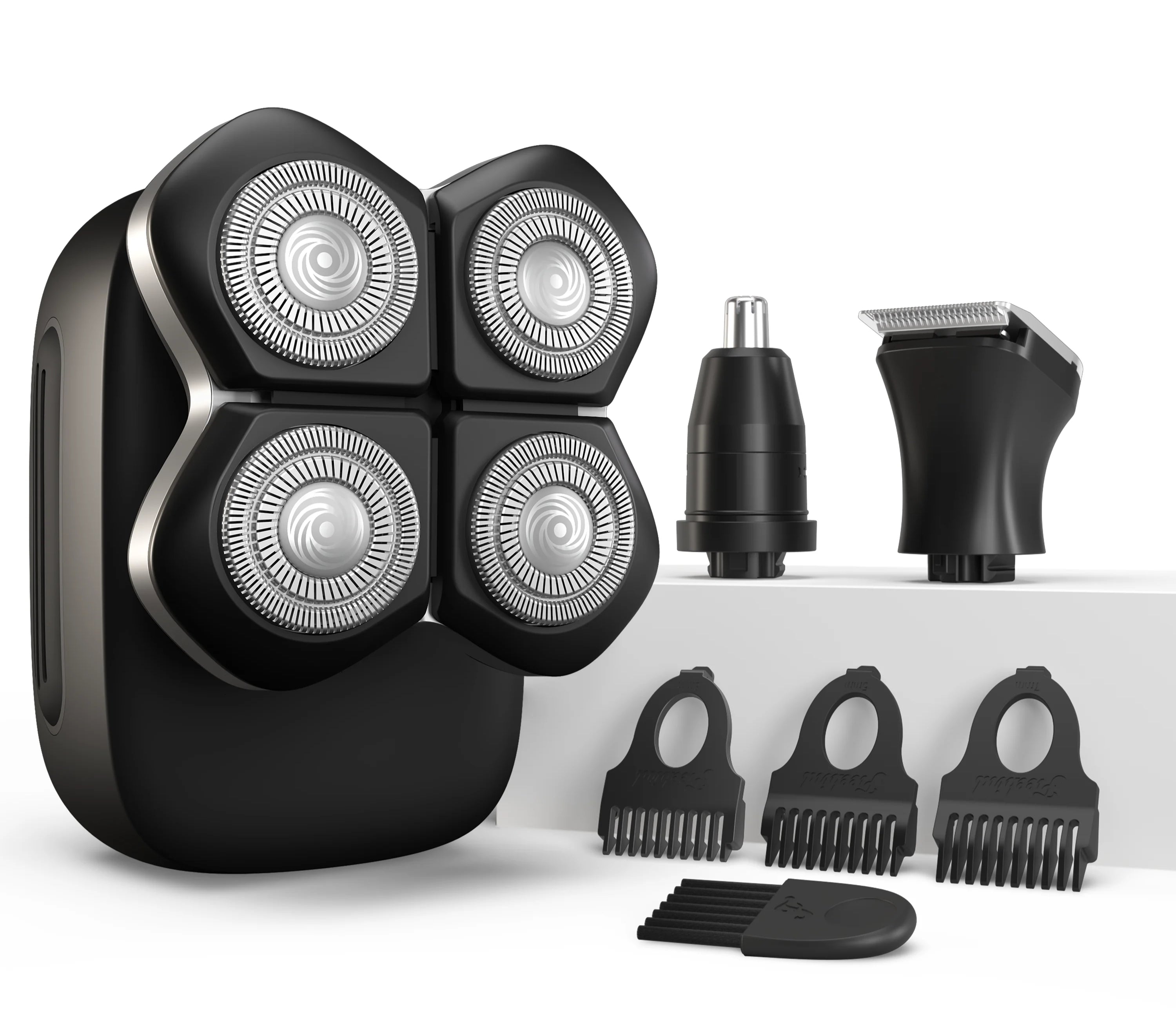
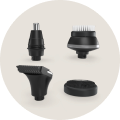
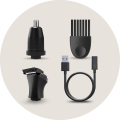
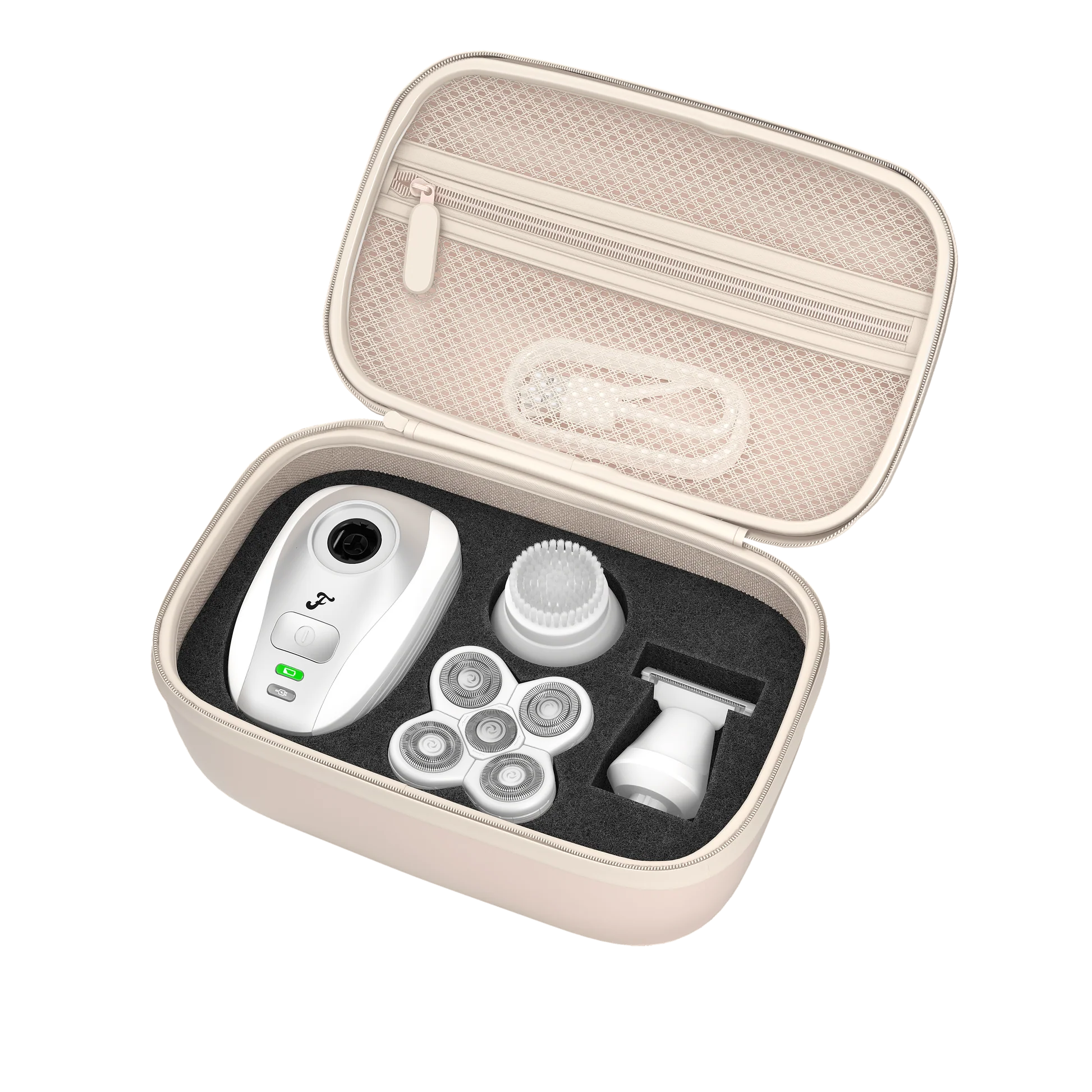
I decided to trim my chest hair since I didn't have the extra time to shave regularly. I shave my face and head, that's it. Other areas like my legs, arms, groin, and pits I chose to trim using Freebird's clipper attachment (free when you buy the FlexSeries Pro). Hair removal has never been this easy.
Tools You'll Need for Chest Hair Removal

Don't use the same rusty razor you use on your face to remove chest hair. Using the right tools makes chest grooming easier and safer.
-
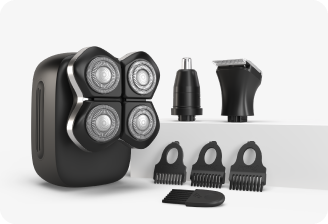
A Dedicated Body Hair Trimmer: Freebird's BeardSeries Kit is perfect if you just want to keep things neat and tidy with different guard lengths and comb attachments. It's the best chest hair trimmer for sensitive skin.
-
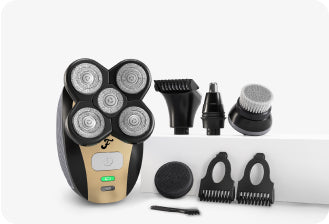
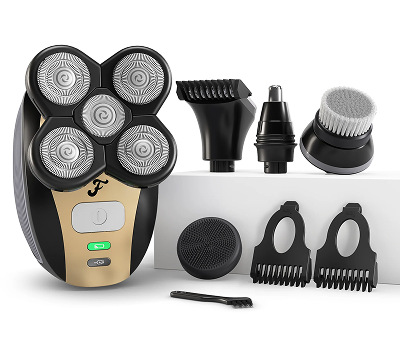
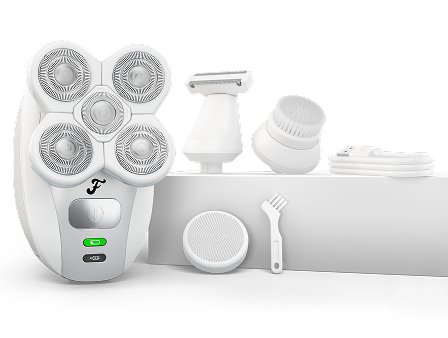
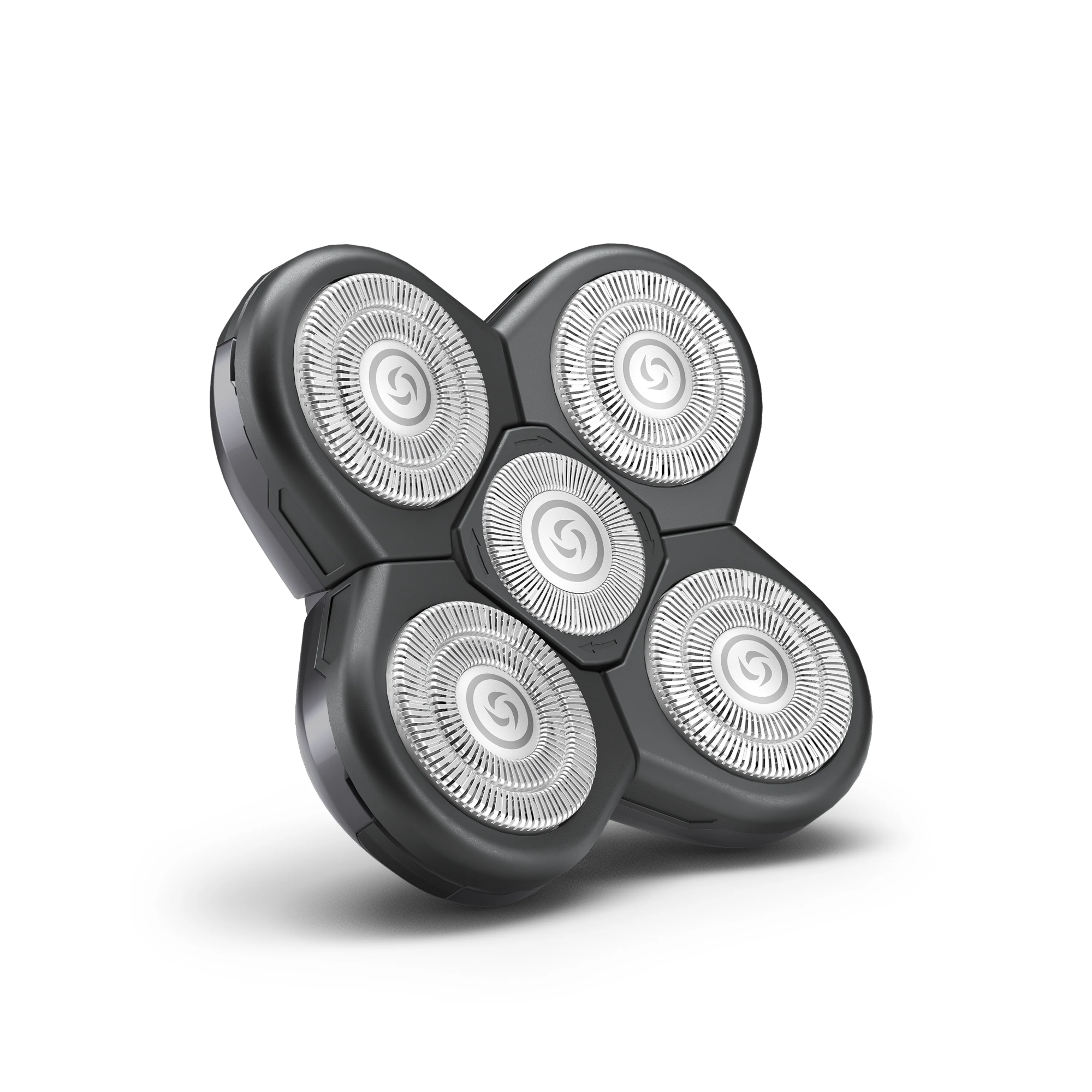
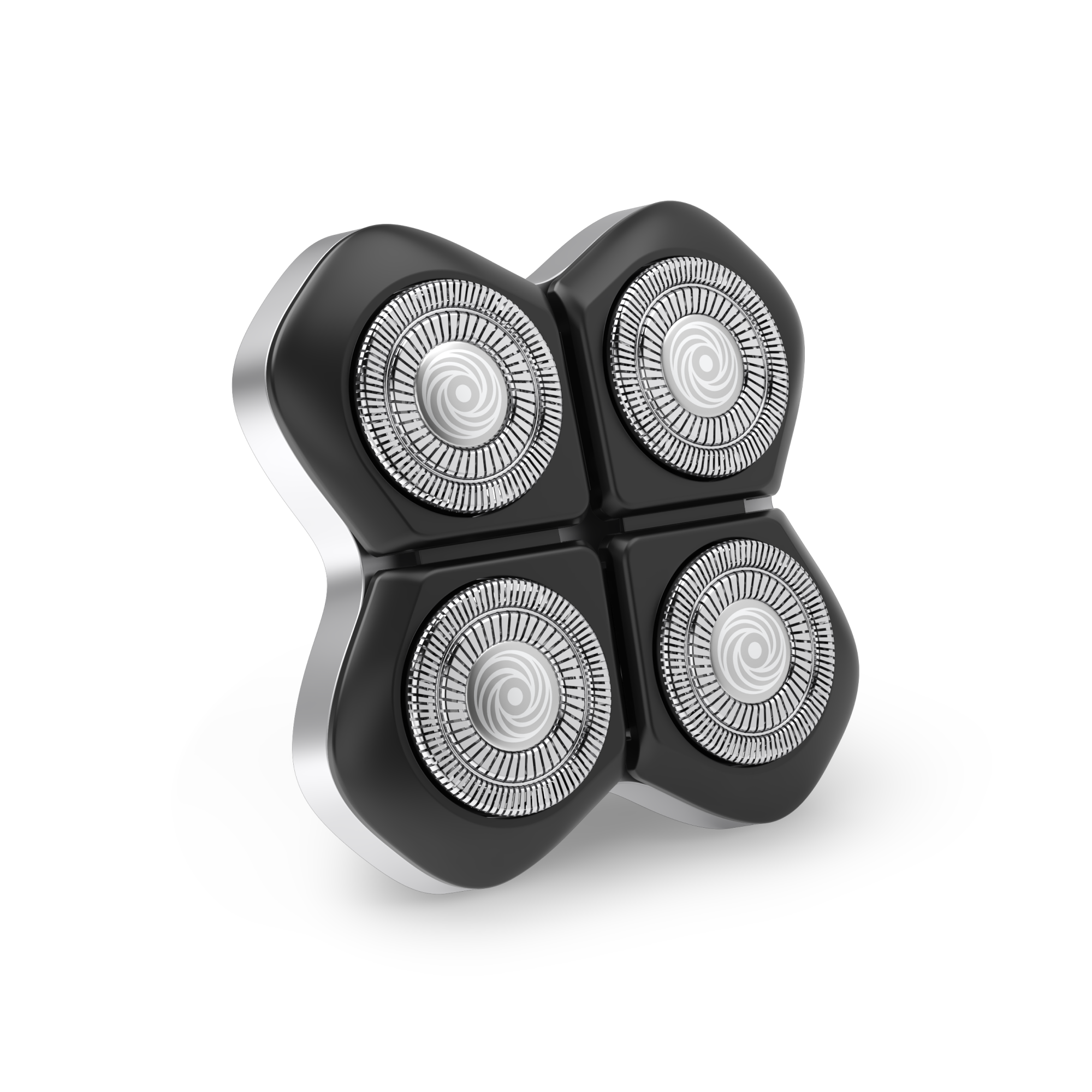
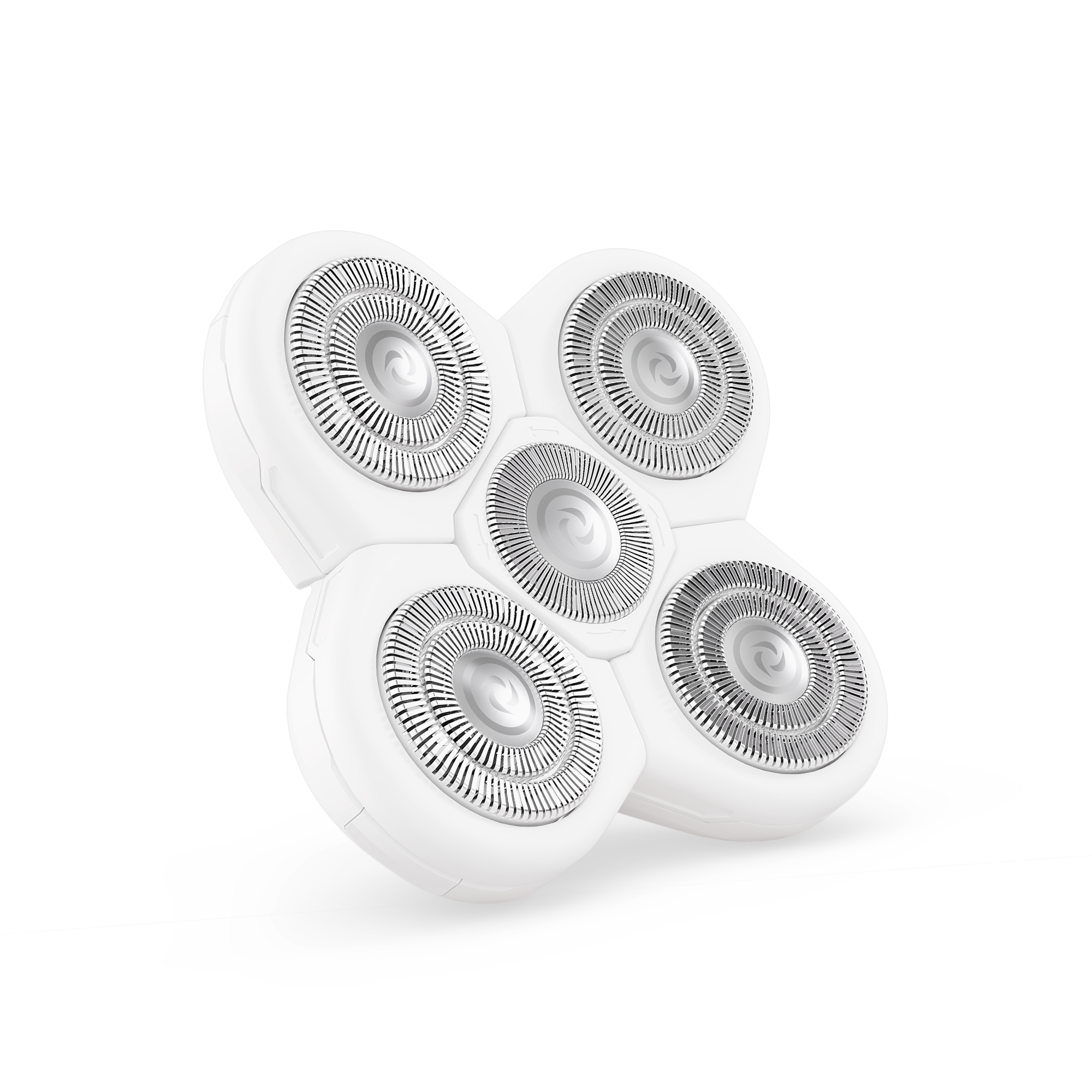
A Body Groomer: For the best of both worlds, the FlexSeries Pro handles hair removal by trimming with a precision clipper or using its rotary blades for a skin-close shave. It works wet or dry, which is a lifesaver.
-
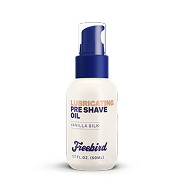
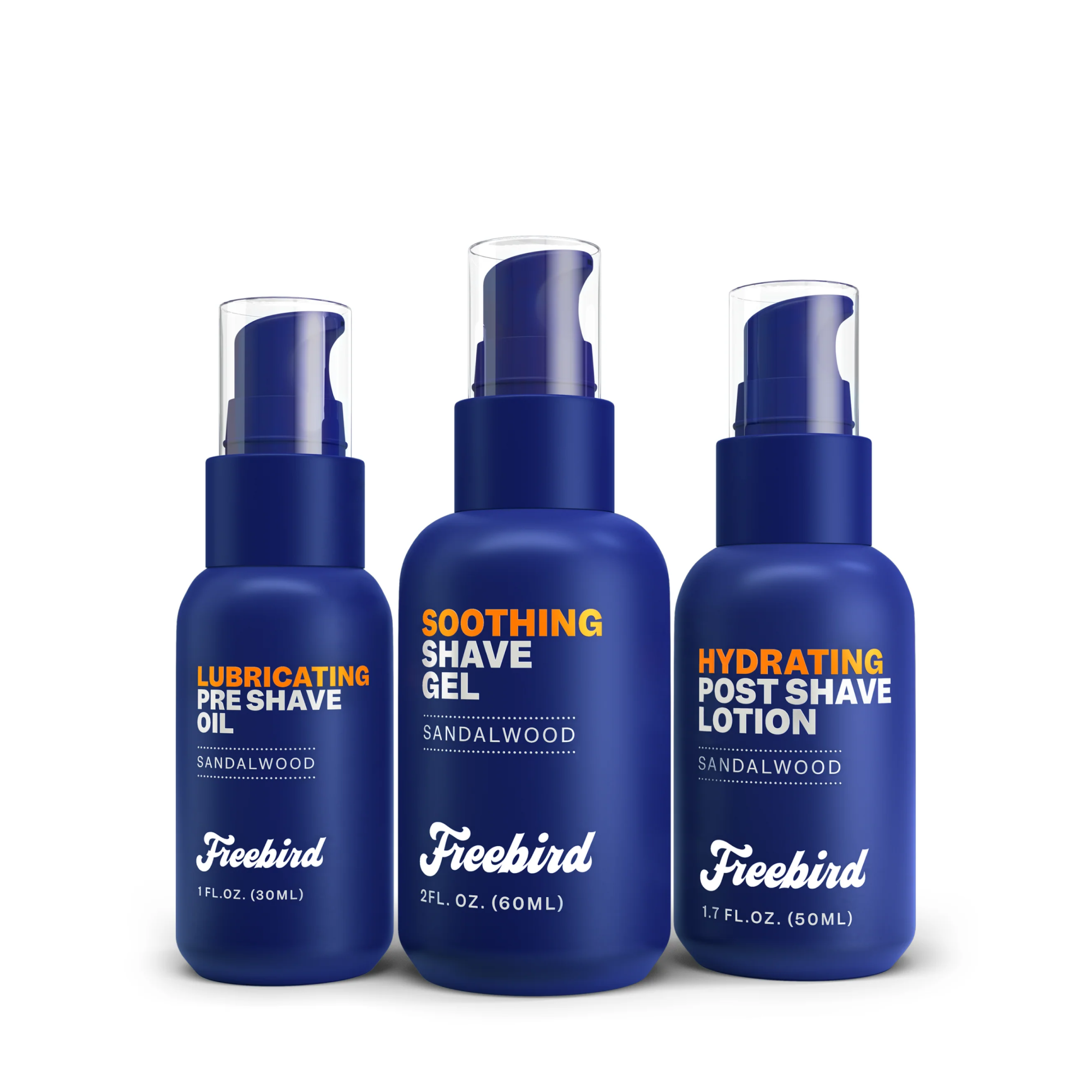
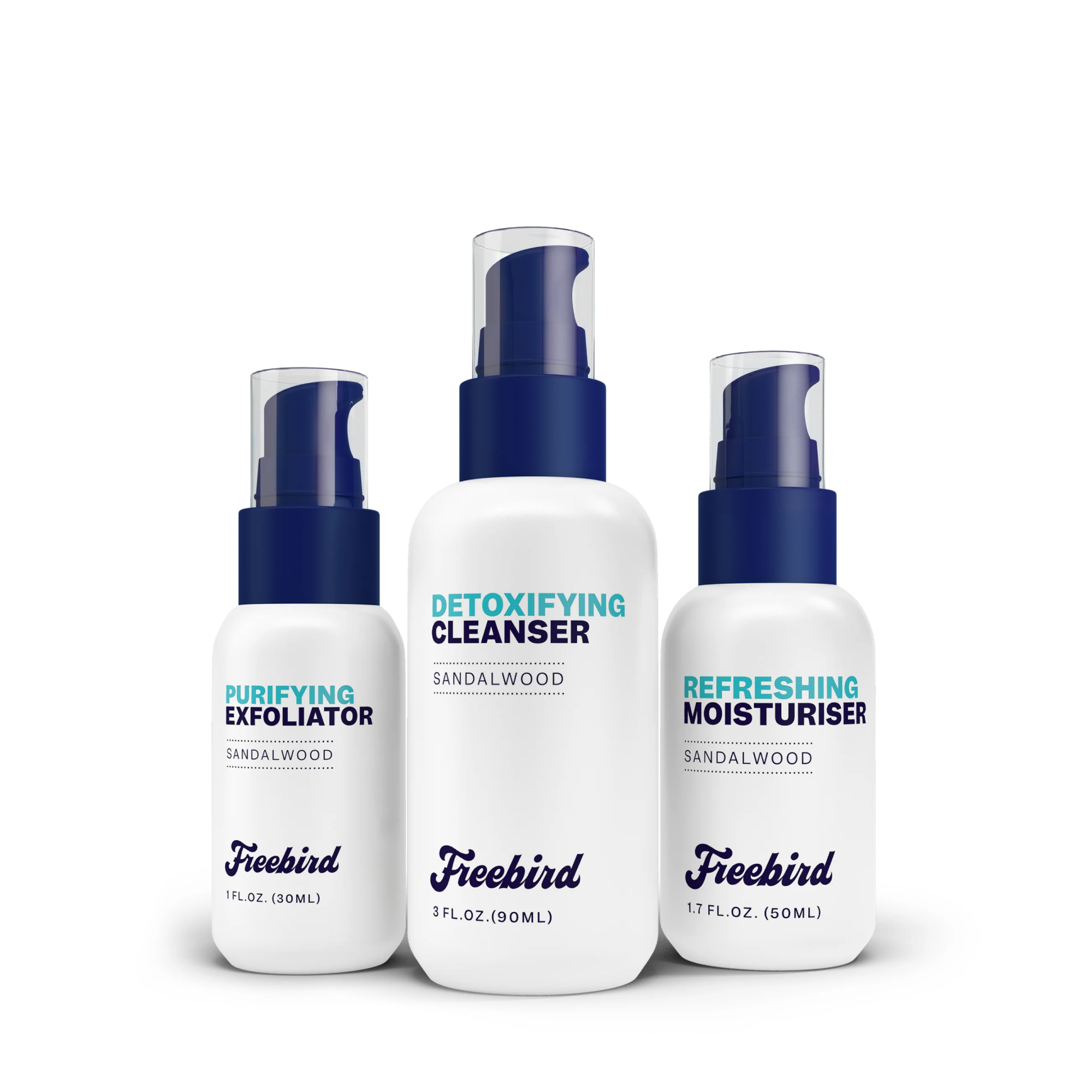
Shaving Gel: If you’re going for a clean shave, use a translucent product like Freebird's Shaving Gel so you can see where you’re going.
-
Manual Razor (alternative): A multi-blade razor (3-5 blades) gives the smoothest shave but takes longer and requires more care.
-
Body Wash: Clean your chest before trimming to remove oils and dead skin.
-
Mirror: A full-length mirror helps you see what you're doing. Better yet, use a handheld mirror to check angles and hard-to-see spots, especially those weird stray hairs around your collarbone.
-
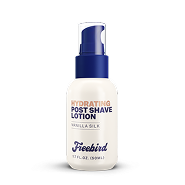
Aftershave Balm or Moisturizer: The best option is an alcohol-free formula to soothe skin post-shave.
How to Trim Chest Hair: Step by Step

Here's the best way to trim chest hair without irritation or mistakes:
Step 1: Shower First
Chest hair is wiry and coarse. Get in the shower and let the warm water soften up those wiry hairs. Softening it makes trimming easier and more comfortable. Wash your chest to remove body oils, dirt, and dead skin that can clog your trimmer.
Step 2: Dry Completely
Pat your chest dry with a towel. Trimming works best on completely dry hair. Wet hair clumps together and doesn't cut as evenly.
Step 3: Comb Through Your Chest Hair
Run a comb or brush through your chest hair to straighten it out and remove tangles. This helps you see the true length and makes trimming more uniform.
Step 4: Choose Your Guard Length
Start with a longer guard (5mm to 7mm) to avoid cutting too short. You can always go shorter on a second pass. Remember: you can always shave more off, but you can't put hair back once it's cut.
For a natural, groomed look, keep hair between 1/4 inch (6mm) and 1 inch (25mm). Most guys prefer around 5mm.
Step 5: Trim in the Direction of Hair Growth
Start at the top of your chest near your collarbone. Work your way down in slow, steady strokes following the direction your hair grows.
Chest hair grows in multiple directions, especially around the sternum (center of your chest). Pay attention and adjust your angle as needed.
Step 6: Go Slowly Around Nipples
This is where most guys mess up with hair removal.
Nipples are bumpy, sensitive, and easy to nick. Use your free hand to cover your nipple with your fingertips while you trim around it.
Work slowly and gently with small, even strokes.
Never trim directly over your nipple. Work around it in a circle.
Step 7: Create a Natural Fade to Your Stomach
Don't just stop at your chest. A harsh line where chest hair ends and stomach hair begins looks weird and unnatural.
Use a longer guard on your chest, then gradually step down to shorter guards as you move toward your stomach. This creates a natural taper that blends chest and stomach hair smoothly.
Step 8: Check Your Work in Good Lighting
Stand in front of a mirror under bright light. Look for uneven spots, long patches, or areas you missed. Use a handheld mirror to check side angles.
Step 9: Detail with a Precision Clipper
Got a few stray hairs that stick out? Use a precision trimmer (no guard) to clean them up. This adds polish to your trim.
Step 10: Rinse with Cool Water
Hop in the shower and rinse off any loose hair clippings with cool water. Cool water helps close your pores and reduces inflammation.
Step 11: Moisturize
Apply an alcohol-free moisturizer or aftershave balm to your chest. This soothes your skin and prevents dryness.
How to Shave Chest Hair: Step by Step

Step 1: Trim Down First
Never shave longer body hair with a razor. Trim your chest hair down to stubble first with a body trimmer or hair clipper. This prevents your razor from clogging and reduces pulling.
Step 2: Shower with Warm Water
Take a warm shower for at least 5 minutes. This softens the hair and opens your pores. Wash your chest area to remove body oils that can interfere with your shave.
Step 3: Apply Shave Gel Generously
Lather your chest area with shaving gel. Don't skimp. A thick layer protects your skin, hydrates hair, and helps your razor glide smoothly.
If you're using an electric shaver, you can skip shave gel (it works dry). But for wet use in the shower, go ahead and use gel for extra comfort, especially if you have sensitive skin.
Step 4: Check Your Blade
Using a dull razor blade is the number one cause of razor burn, nicks, and irritation. If your blade feels tuggy or the lubrication strip looks faded, replace it.
If you're using manual razors, change blades every 5 to 7 shaves (or sooner if you have coarse hair).
Electric shavers have long-lasting blades, but check for dullness if you feel pulling.
Step 5: Shave with Light, Gentle Strokes
For Manual Razors: Start from the outside of your chest and work your way in. Shave in the direction your hair grows (with the grain) first. Use light pressure and let the blades do the work.
Stretch your skin taut as you shave to create an even surface. This helps prevent nicks.
For Electric Shavers: Move the shaver in slow, circular motions. The FlexSeries Pro's four-head design adapts to your chest's curves. No need to stretch your skin, just glide the shaver across your chest.
Step 6: Rinse Your Blade Often
If you're using a manual razor, rinse it under warm running water every few strokes. This clears hair, shave gel, and dead skin from the blades.
The FlexSeries Pro features a large hair capture chamber, allowing you to shave chest hair without rinsing frequently.
Step 7: Be Extra Careful Around Nipples
Make sure to cover your nipples with your other hand as you shave near them. It's one of the most sensitive areas, so go around them, never directly over.
For electric shavers, the safety guards help, but still be cautious.
Step 8: Reapply Shave Gel As Needed
Chest hair grows in different directions. You might need to shave over the same spot multiple times from different angles for a smooth result.
Always reapply shave gel before a second pass. Shaving over bare skin causes razor burn and irritation.
Step 9: Rinse with Cold Water
When you're done, blast your chest with cold water for 30 seconds. Cold water closes pores and reduces inflammation. Pat dry with a towel. Don't rub.
Step 10: Apply Aftershave or Moisturizer
Apply an alcohol-free aftershave balm or body moisturizer immediately after shaving.
Different Chest Hair Styles and Looks

You don't have to go all-in or completely natural. Here are popular chest hair styles:
Clean Shaven
Zero chest hair. Smooth as a dolphin. Best for bodybuilders, swimmers, or guys who prefer the hairless look. Requires maintenance every 4 to 7 days to avoid stubble.
Trimmed Short (Stubble Look)
Trim your chest hair down to 2mm to 3mm. It looks neat and groomed without being completely bare. This is the sweet spot for most guys. Maintenance every 5 to 10 days.
Natural but Groomed
Keep your full chest hair but trim it to an even length (6mm to 10mm). You still look masculine and natural, just tidier. Maintenance every week to two weeks.
Shaped with Defined Borders
Trim the edges of your chest hair clean (no guard), then blend into the chest with a longer guard. Clean lines matter. This adds polish without stripping away masculinity.
Best for guys with thick, defined chest hair who want structure.
Tapered Into Stomach
Start with a longer guard on your chest (5mm to 7mm), then gradually step down to shorter guards (3mm to 2mm) as you move toward your stomach. This creates a natural fade that looks deliberate, not accidental.
The Central Patch
Shave most of your chest clean, but leave a small, shaped patch of hair in the center. Works well if your chest hair is naturally sparse or patchy. Turns it into a statement instead of a problem.
This is an offbeat style that says, "Yeah, I did this on purpose."
The Austin Powers, Yeah Baby! Look
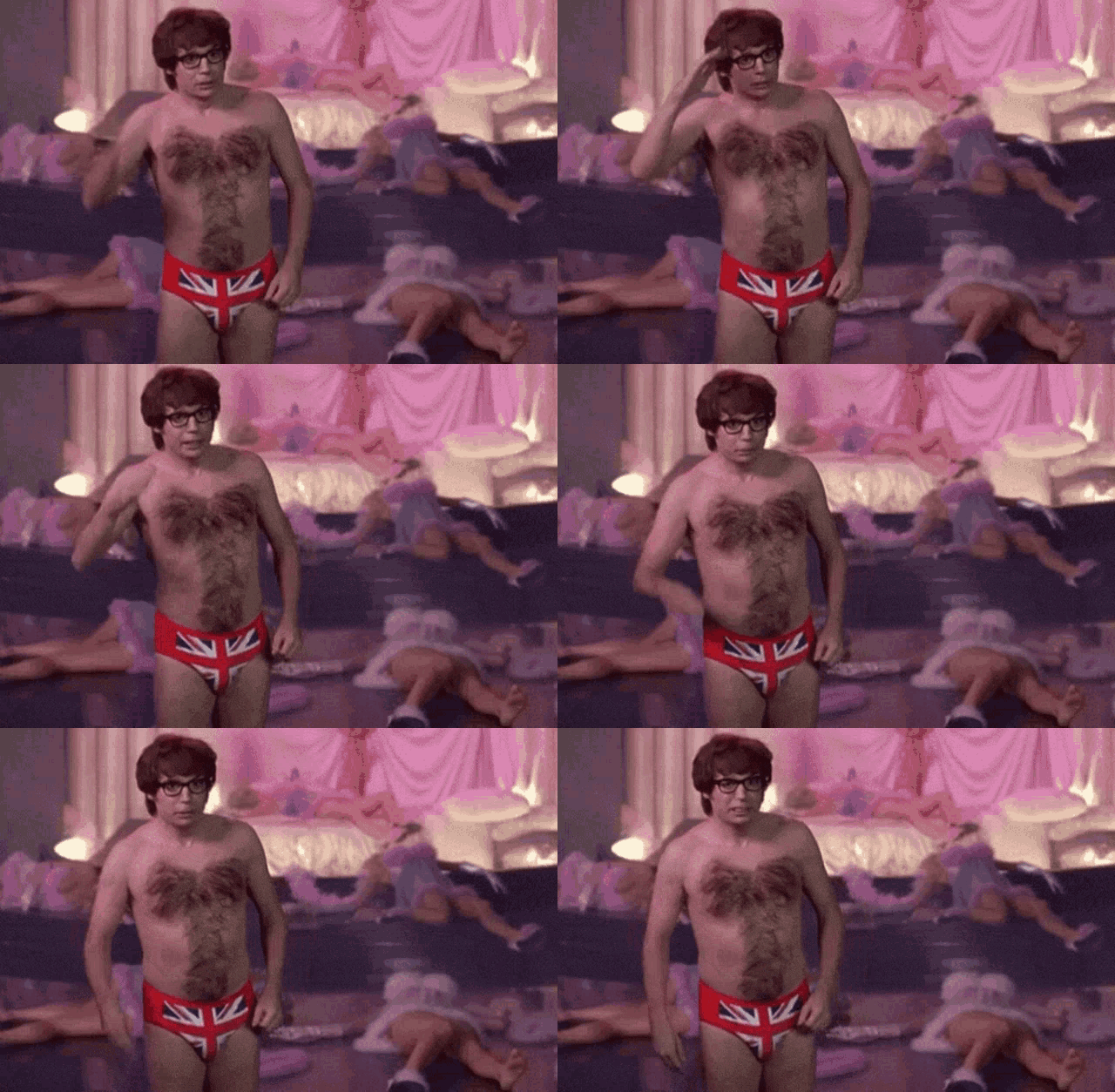
The full 1970s chest rug in all its glory.
Thick, natural, untrimmed, and unapologetically hairy. This look peaked somewhere between Burt Reynolds and Tom Selleck, fell out of favor in the '90s, and is now making an ironic comeback among guys who refuse to conform.
Does it work in 2026? Only if you commit to the bit. You need the confidence to own it, the chest hair density to pull it off (patchy doesn't cut it), and probably a gold chain to complete the aesthetic.
How to Avoid Itchiness and Ingrown Hairs

The number one complaint about chest grooming? Itchiness and bumps after trimming or shaving.
Here's how to avoid it:
Exfoliate Before Body Grooming
Use a gentle body scrub or exfoliating cloth the day before you trim or shave. This scrubs away old skin, so hair doesn't get trapped. It stops clogs and prevents those painful bumps.
Don't exfoliate right before grooming. Give your skin 24 hours to recover.
Trim, Don't Shave (If Prone to Ingrown Hairs)
Trimming keeps hair above the surface, so it can't curl back into your skin. If you're prone to ingrown hairs, trim your chest instead of shaving.
Shave With the Grain First
Always shave in the direction your hair grows first. This reduces irritation and the chance of hair getting trapped under the skin.
If you want a closer shave, go against the grain on a second pass, but reapply shave gel first.
Moisturize After Every Groom
Moisturizing after trimming or shaving is non-negotiable. It soothes your skin, restores the protective barrier you just stripped away, and prevents dryness that leads to itching.
Use a gentle, fragrance-free moisturizer. Products with alcohol sting and dry out your skin.
Wear Breathable Clothing
After grooming, avoid tight clothing for 24 hours. Wear loose cotton shirts. Tight shirts create friction that irritates freshly groomed skin.
Apply Witch Hazel (Optional)
Witch hazel is a natural astringent that tightens pores and calms inflammation. Dab it on your chest after rinsing and before moisturizing.
It's cheap, available at any drugstore, and works better than alcohol-based aftershaves.
Common Mistakes to Avoid When Manscaping Chest Hair
Don't make these rookie errors:
-
Shaving a "Forest": Never try to shave long hair with a foil or rotary shaver; trim it down first.
-
Ignoring the Stomach: If you have a hairy chest but a totally bald stomach, it looks unnatural. Always blend the two areas.
-
Rushing: This is how you get nicks. Take your time, especially around the collarbone and nipples.
-
Using Old Blades: Dull blades pull hair instead of cutting it. Replace your blades regularly for a clean finish.
-
Shaving Without Shave Gel (Manual Razors): Dry shaving with a manual razor destroys your skin. Always use gel or shaving cream. Electric shavers are safe for dry use.
-
Skipping Moisturizer: Your skin needs hydration after grooming. Skipping moisturizer leads to dryness, itching, and irritation.
-
Going Too Close Around Nipples: Nipples are sensitive and easy to nick. Use your free hand to cover them and trim carefully around them.
The Bottom Line
Chest hair grooming isn't complicated. Trim if you want a natural, groomed look with minimal maintenance. Shave chest hair if you prefer smooth skin and don't mind the upkeep.
Start with trimming chest hair. It's easier, safer, and less likely to cause stubble or irritation. If you want to go smoother later, you can always switch to shaving chest hair.
The right tools make all the difference. A quality body trimmer or electric shaver saves time and reduces the risk of nicks and irritation.
Most guys find that a simple trim with a 3mm to 5mm guard every week keeps them looking groomed without overthinking it.
Whatever you choose, make sure it fits you. A groomed chest beats wild, unkempt hair or patchy stubble from an incomplete shave job.
Still undecided if you should shave your chest hair or not? Click on the link to help you decide.

FAQs
Does Trimming Chest Hair Make It Grow Back Thicker?
No, trimming doesn't change your hair's texture or growth rate. This myth comes from how hair looks after being cut. Trimming creates blunt tips that appear more noticeable when they first grow back, but the hair itself isn't thicker or coarser. Genetics and hormones control your hair growth, not your trimmer.
How Often Should I Trim My Chest Hair?
Every 5 to 10 days to maintain a neat appearance. Most guys trim once a week. If your hair grows fast, you might need to trim every 5 days. Slow growers can stretch it to every two weeks.
What's the Best Length to Trim Chest Hair?
Between 3mm and 5mm for a natural, groomed look. This length looks neat without being too short or stubble-like. Use a 3mm guard for a closer trim or a 5mm guard for a more natural finish. Start longer (7mm) and work your way shorter to find what you like.
Can I Use the Same Trimmer for My Chest and Beard?
Yes, but clean it thoroughly between uses. Body hair is coarser than facial hair, so using the same trimmer is fine as long as you maintain hygiene. For best results, use separate guards for your chest and face, or wash the guards after each use.
What Do I Do with Chest Hair That Shows Above My Shirt Collar?
Trim the visible hair to match the length of the rest of your chest. Use a 3mm to 5mm guard to keep it neat. If it really bothers you, shave just that area clean with a razor or electric shaver. Most people won't notice unless your shirt is unbuttoned very low.
Should I Shave My Stomach Hair Too?
Yes, if you're trimming or shaving your chest, groom your stomach too for consistency. Create a natural fade from chest to stomach using longer guards on your chest (5mm-7mm) and shorter guards (3mm-2mm) as you move lower. A harsh line where grooming stops looks unnatural and draws more attention than just leaving everything natural.