




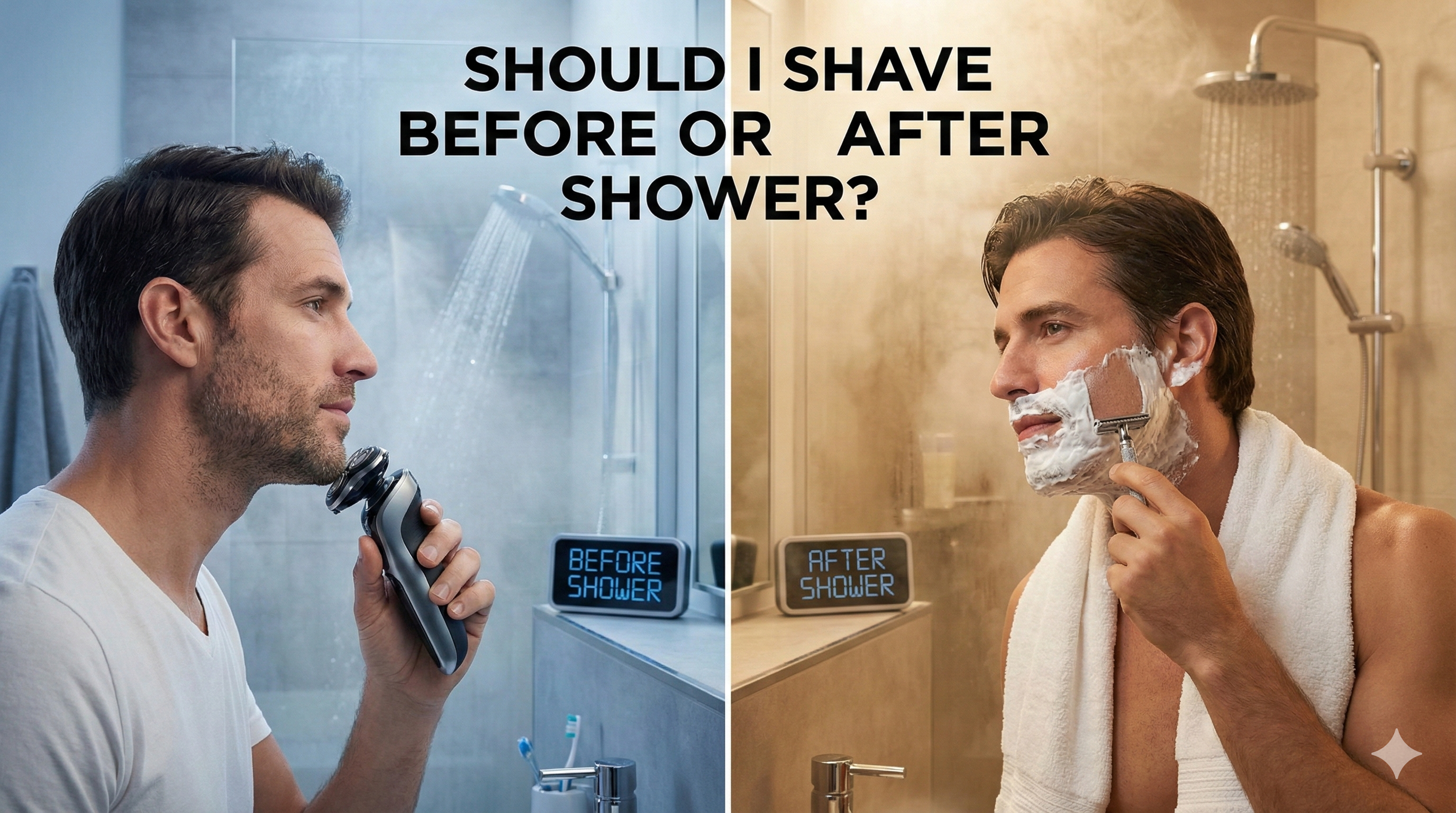
Should I Shave Before or After Shower?
February 23, 2026 • 7 min read
Most grooming articles will tell you to shave after a shower. Warm water, softer skin, and hair. The logic sounds solid. And for a lot of guys, it is.
But here's what those articles skip: that advice was written for traditional razor users. Electric shavers changed the equation. The shower mainly helps the blade, not the motor.
If you've tried dry shaving with a manual razor (something you should never do), you'll feel razor burn for sure.
So, is it a post-shower shave or a pre-shower shave? The answer depends on your tool and skin type. Here's how to figure out which side you're on, and how to get a better shave either way.
The Short Answer

Electric shaver? Shave before the shower, that's your pre-shower shave.
Traditional/safety/cartridge razor? Shave after, that's your post-shower shave.
That's it. Everything else is just context.
Why Electric Shaver Users Should Shave Before a Shower

Electric razors are designed to cut dry or standing hair. That's not a preference. It's physics.
Dry hair stands up. Which means the blades catch more of it with each pass. Wet hair lies flat and clumps together, leaving loose hairs and stray hairs that the blades skip over. You end up pressing harder, making more passes, and still leaving patches. Research from the International Journal of Cosmetic Science confirms that wet and dry hair have different properties. Wet hair shows lower stiffness and resistance and is softer and more pliable. This is great for blade shaving but counterproductive for rotary or foil cutters.
Moisture also clogs the foil or rotary heads faster. That buildup reduces cutting efficiency and shortens the life of your blades.
Shaving before your shower is also a great way to skip sink cleanup. The clippings rinse right off once you step under the water. No wiping down the sink, no clogging the shower drain, no excess hair on your collar. Your routine actually gets faster.
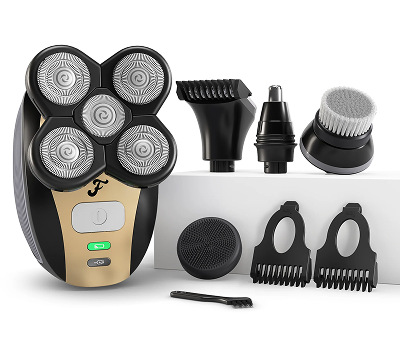
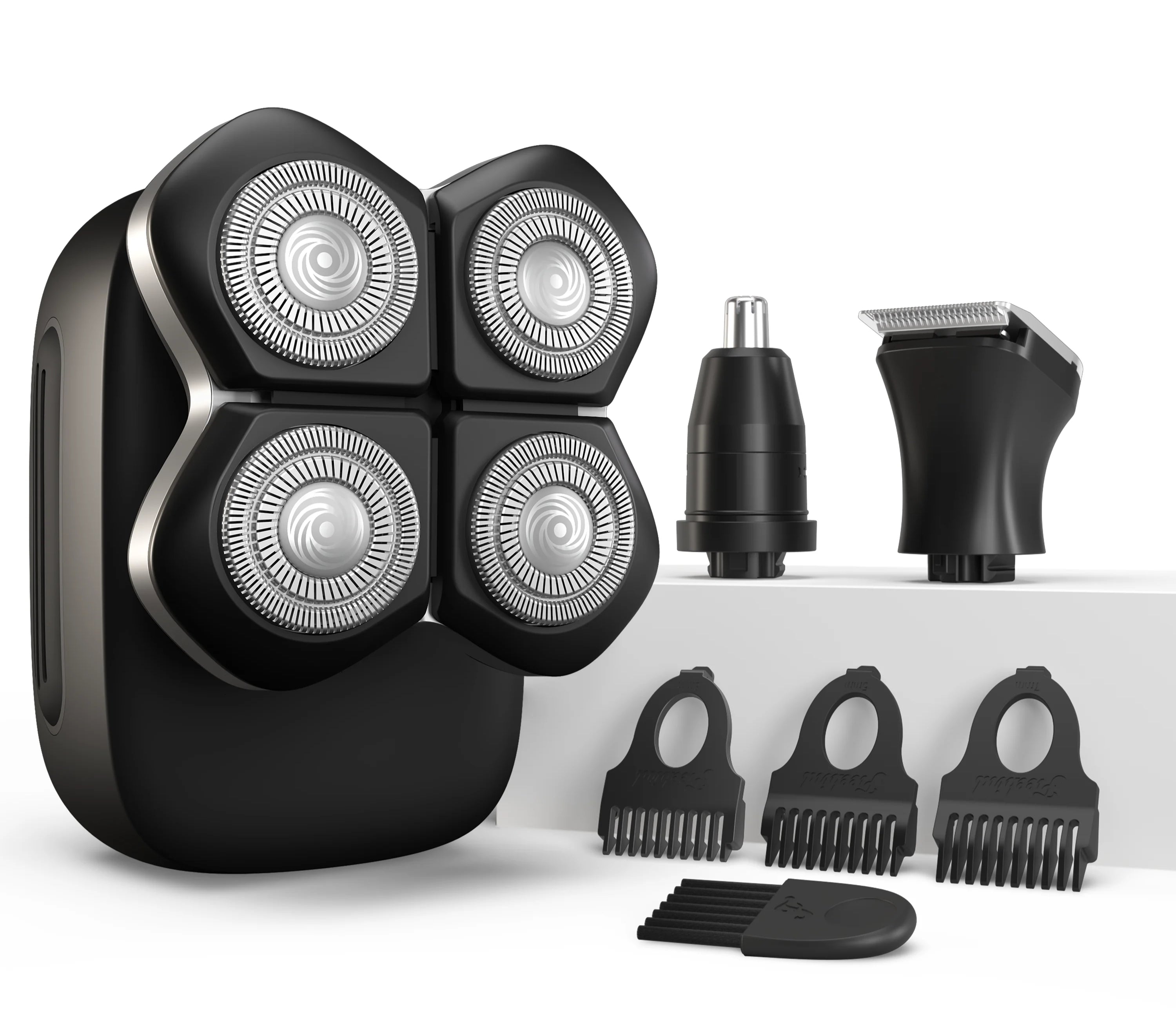
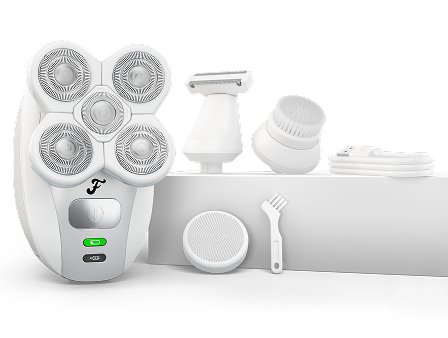
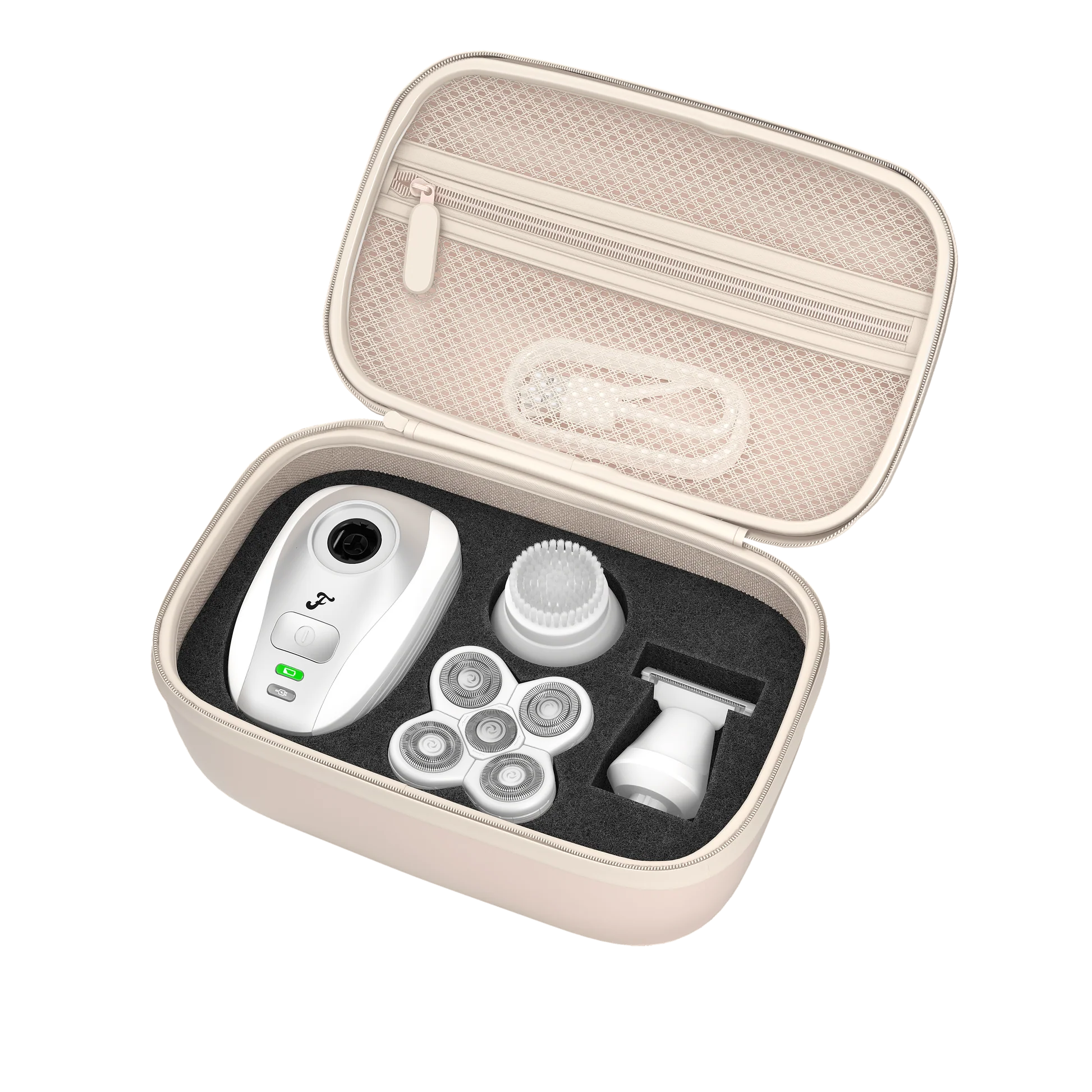
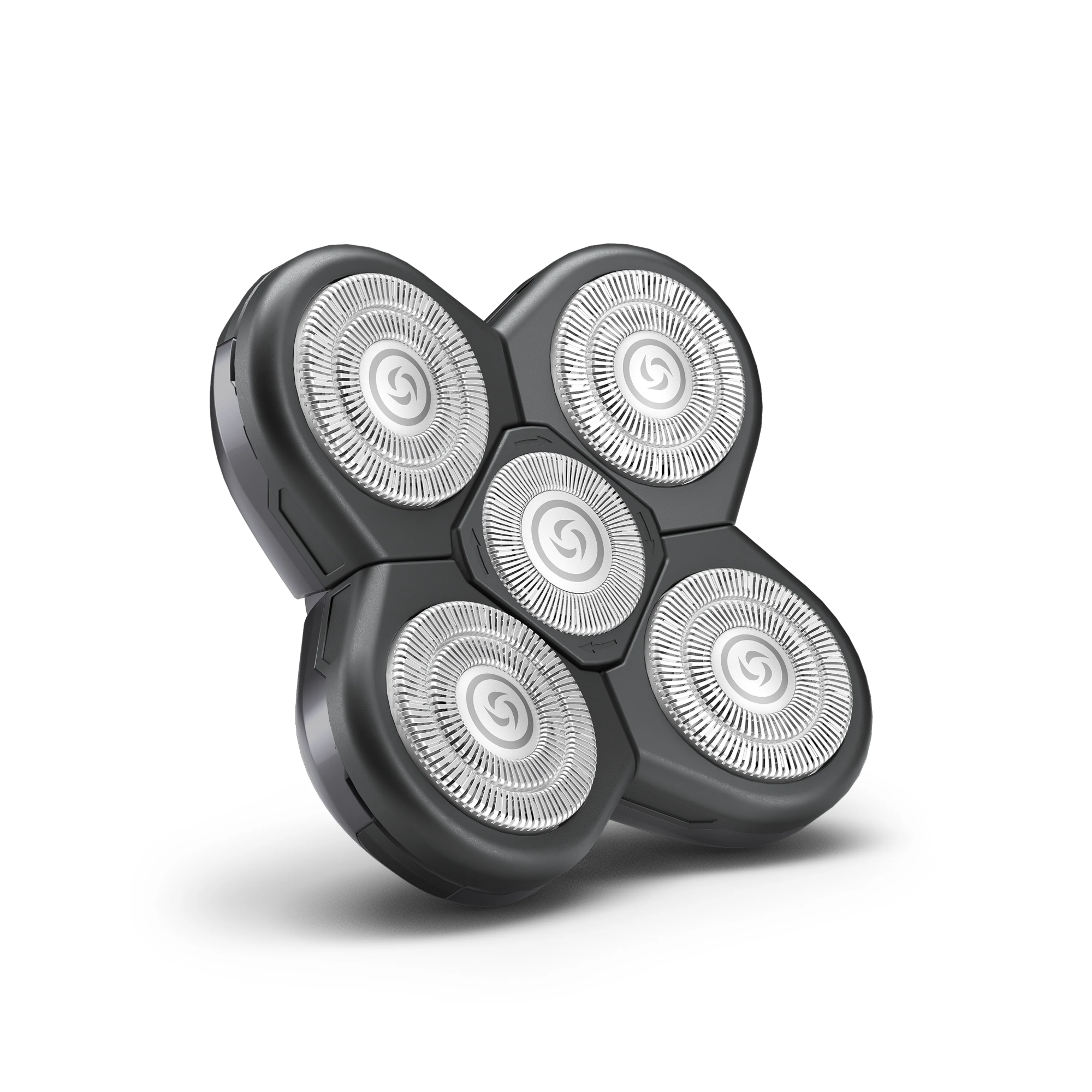
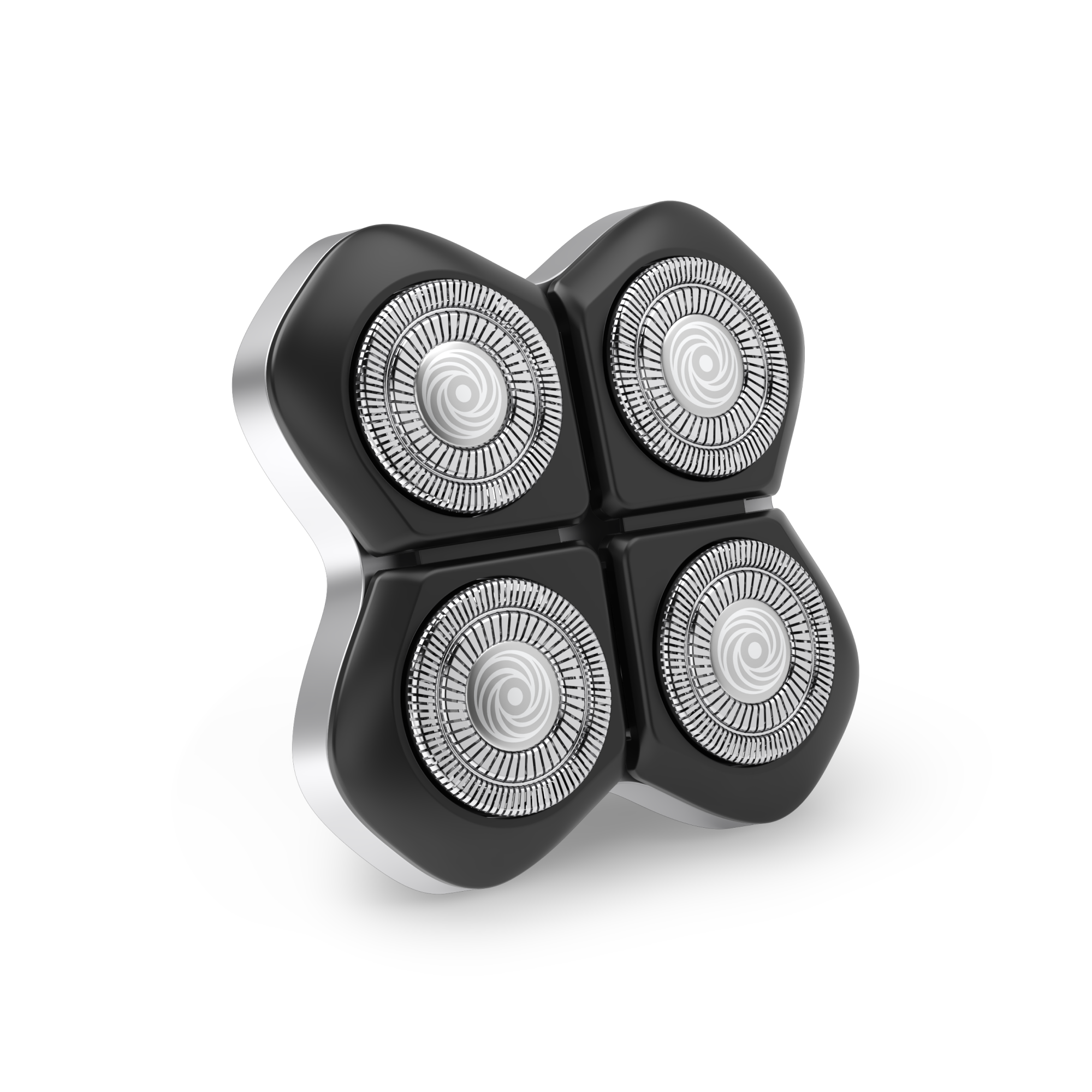
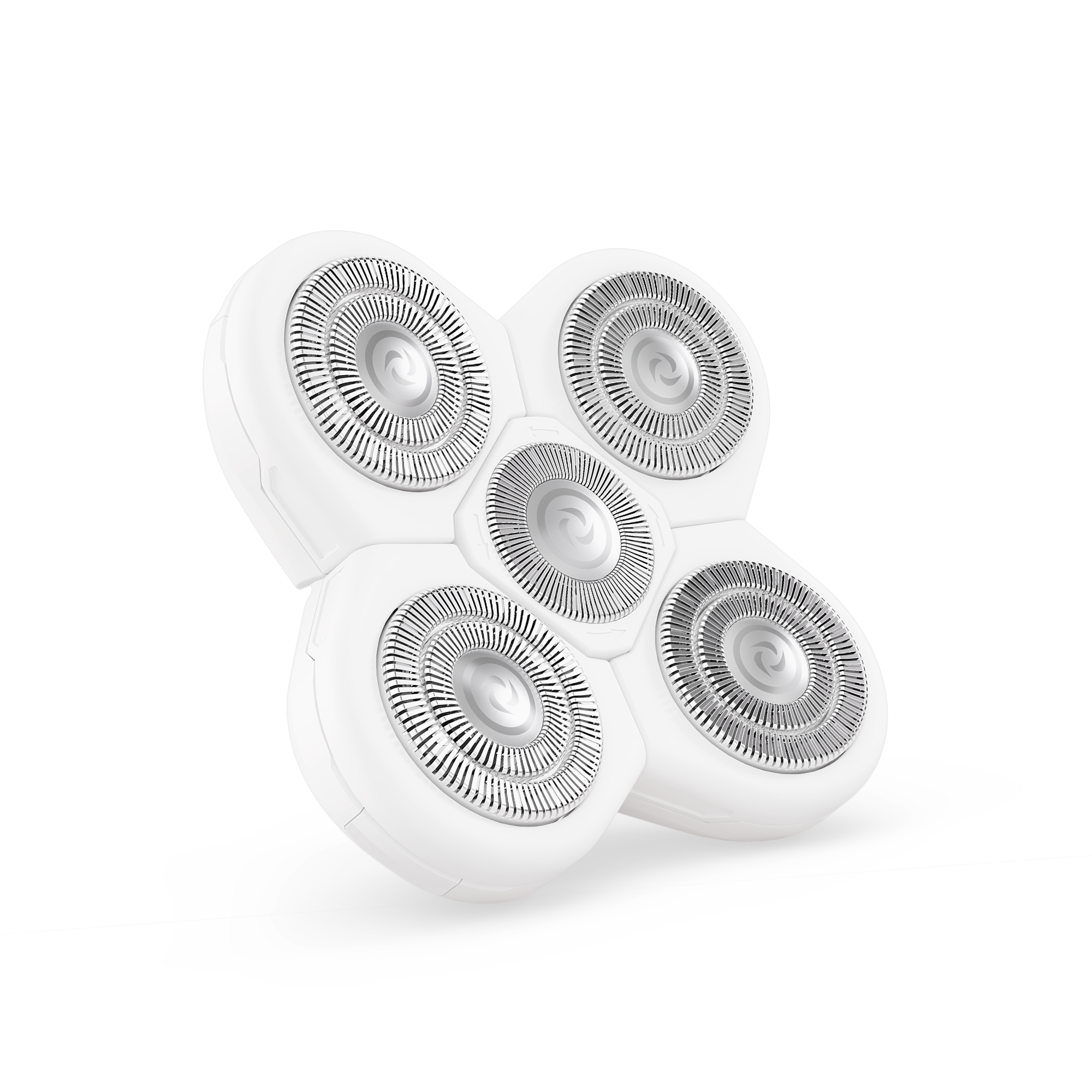
If you shave your head, this matters even more. The scalp isn’t thinner than facial skin; it’s actually thicker, but it’s more sensitive to friction because of all its follicles and tricky curves. A dry pass with a quality electric like the Freebird FlexSeries usually glides more evenly over the contours, helping reduce drag and irritation (razor bumps) compared to forcing a wet shave across rounded areas.
Why Traditional Razor Users Should Shave After a Shower

A blade shave works differently. You're slicing facial hair at the surface, and anything that makes that hair easier to cut equals less irritation and tugging.
A warm shower does three things for blade shavers:
-
It softens the hair. Wet hair yields more easily under pressure than dry hair. Research on hair fiber mechanics on ScienceDirect shows the elastic modulus drops when hair goes from dry to wet, which directly translates to a cleaner, easier cut with less blade drag. Less force means fewer nicks, less drag, and a smoother result.
-
It loosens the "gunk" in your pores. Hot water softens the oils trapped in your skin, so the blade cuts with less resistance instead of dragging across the surface. That softening effect is what blade shavers are actually after.
-
It cleans the skin first. Washing removes oil, sweat, and debris, allowing the blade to make better contact with the hair. That lowers friction during the shave and can reduce irritation and the likelihood of ingrown hairs
The conventional wisdom here works. For cartridge, safety, or straight razor users: shower first, then shave.
If you can't shower first, drape a warm, damp towel over your face for 60–90 seconds to mimic hot shower prep.
What About Shaving in the Shower?

Shaving in the shower works if your setup supports it.
You need a fog-resistant mirror and decent lighting. Without those two things, you're guessing. The result? Missed patches and cuts. Suction-cup fogless mirrors run $15–30 and do the job.
For traditional razor users, in-shower shaving is actually ideal. The steam stays on your skin the whole time, you never dry out between passes, it gives you a closer shave, and cleanup is zero effort. It's one of the benefits of blade shaving.
For electric shaver users, in-shower shaving is only an option if your device is waterproof. The Freebird FlexSeries is IPX6 waterproof, so you're covered either way. Dry shave before the shower for the cleanest cut, or take it in with you when convenience is the priority.
One thing worth knowing: not all electric razors are waterproof. Check your device's rating before running it under water. An IPX5 or higher rating means it can handle rinse-off at minimum; IPX7 means full submersion.
Tips for a Better Shave Either Way

-
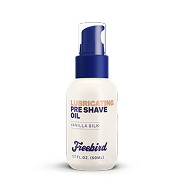
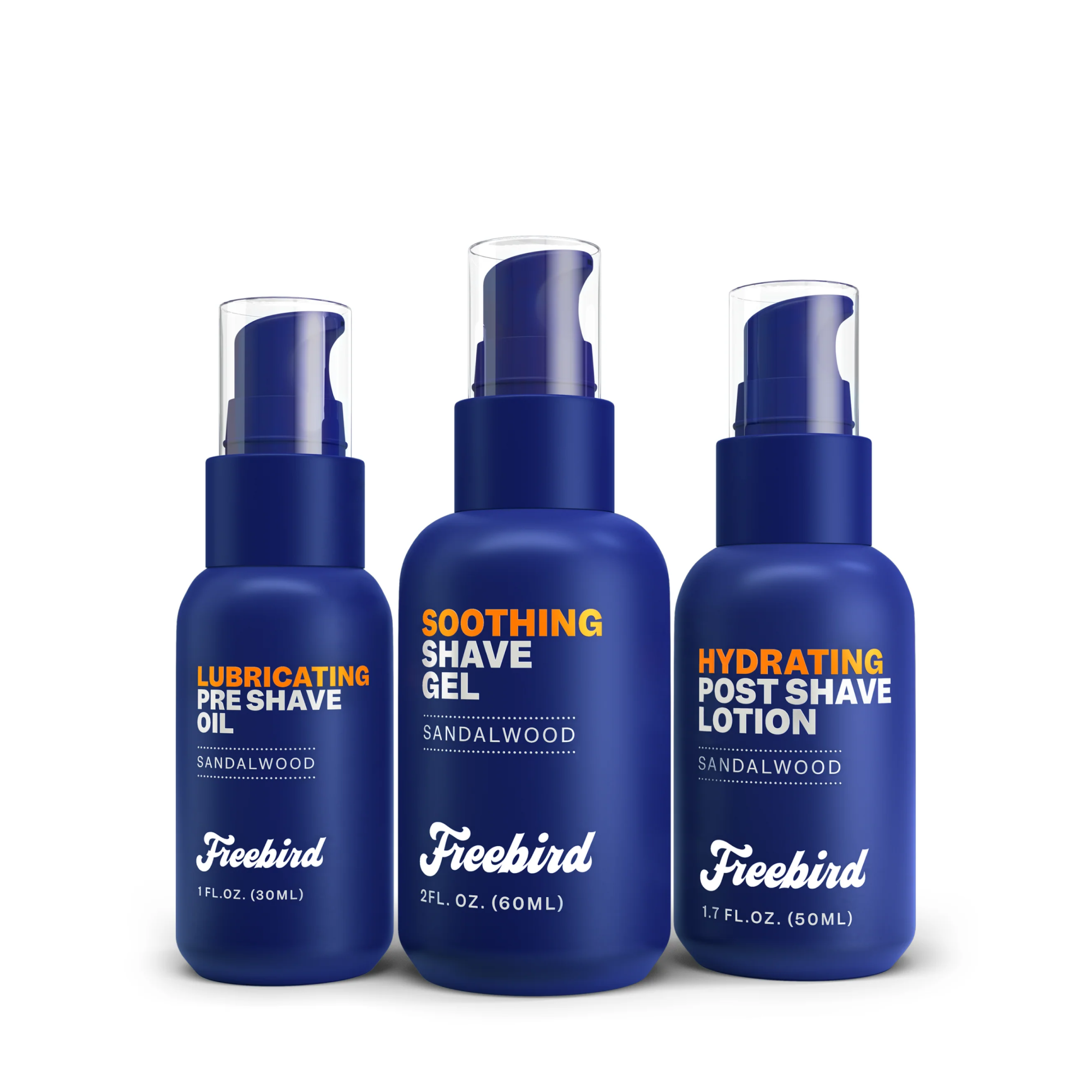
Pre-shave prep matters more than timing. For electric razors, a pre-shave oil can reduce friction on dry skin. For traditional razors, a quality shaving cream or gel is non-negotiable. It lubricates the surface and lifts the hair for a cleaner cut. Looking for a comfortable shave? Don't skip your pre-shave routine.
-
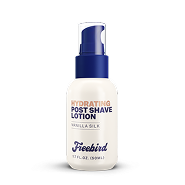
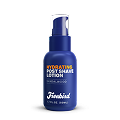
Post-shave care is where most people slack. After shaving, rinse with cool water to tighten the skin. Then wash off any remaining product and apply a post-shave balm or moisturizer. For sensitive skin, look for formulas with aloe, they reduce redness without stripping hydration. Witch hazel in particular is a natural astringent that tightens pores and calms irritation without the alcohol sting. Skipping post-shave care is the main reason people deal with shaving irritation and dry skin an hour later.
-
Lather matters for beard shavers too. If you're working with a beard (whether trimming it down or taking it all off), shaving cream does more than just lubricate. It signals to the skin that something's happening and helps the blade glide through thicker beard hair without snagging. For guys with a full beard, going slow and using short strokes makes a real difference. A soap-and-water lather works in a pinch, but a purpose-built shaving cream will give you noticeably smoother results.
-
Match your product to your skin type. If you're prone to irritation, choose the right shaving product. Avoid alcohol-heavy aftershaves. They sting, dry you out, and don't actually help healing. Go for a fragrance-free balm with aloe or glycerin to keep your skin healthy long after the blade is down.
The Bottom Line
So, should you shave before or after a shower?
Your razor type determines your answer. Electric razors perform best on dry hair, so commit to the pre-shower shave, let the water rinse off the clippings, and get on with your day. If you're running a blade, shower first, let the steam do its job on your beard and skin, then go for the smoothest shave after.
The good news: if you're using a waterproof electric, you don't have to commit to one approach; it boils down to personal preference. Dry-shave before the shower for the cleanest results. Take it in the shower when you're short on time. Either way, a solid post-shower shave routine means following up with a moisturizer to keep your skin healthy.
Timing matters, but it's a matter of personal preference. Preparation and post-shave care are where the real difference shows up.
FAQs
Should I Shave My Head Before or After a Shower?
Shave your head before the shower if you're using an electric razor. Dry scalp hair stands up better for the blades, cuts cleaner, and rinsing off in the shower afterward beats cleaning a sink full of stubble every time. If you use a blade razor on your head, shave after. The steam and warm water soften the scalp and reduce drag on the skin's curved surface.
Can I Use an Electric Razor in the Shower?
Yes, if your razor is waterproof. Look for an IPX5 rating or higher. The Freebird FlexSeries Pro is IPX7 waterproof, so it works in the shower, under the faucet, or in dry conditions. Your call. Take extra care. A non-waterproof electric device should never come into contact with running water. Check the spec before you try it.
Should I Shave Before or After Washing My Face?
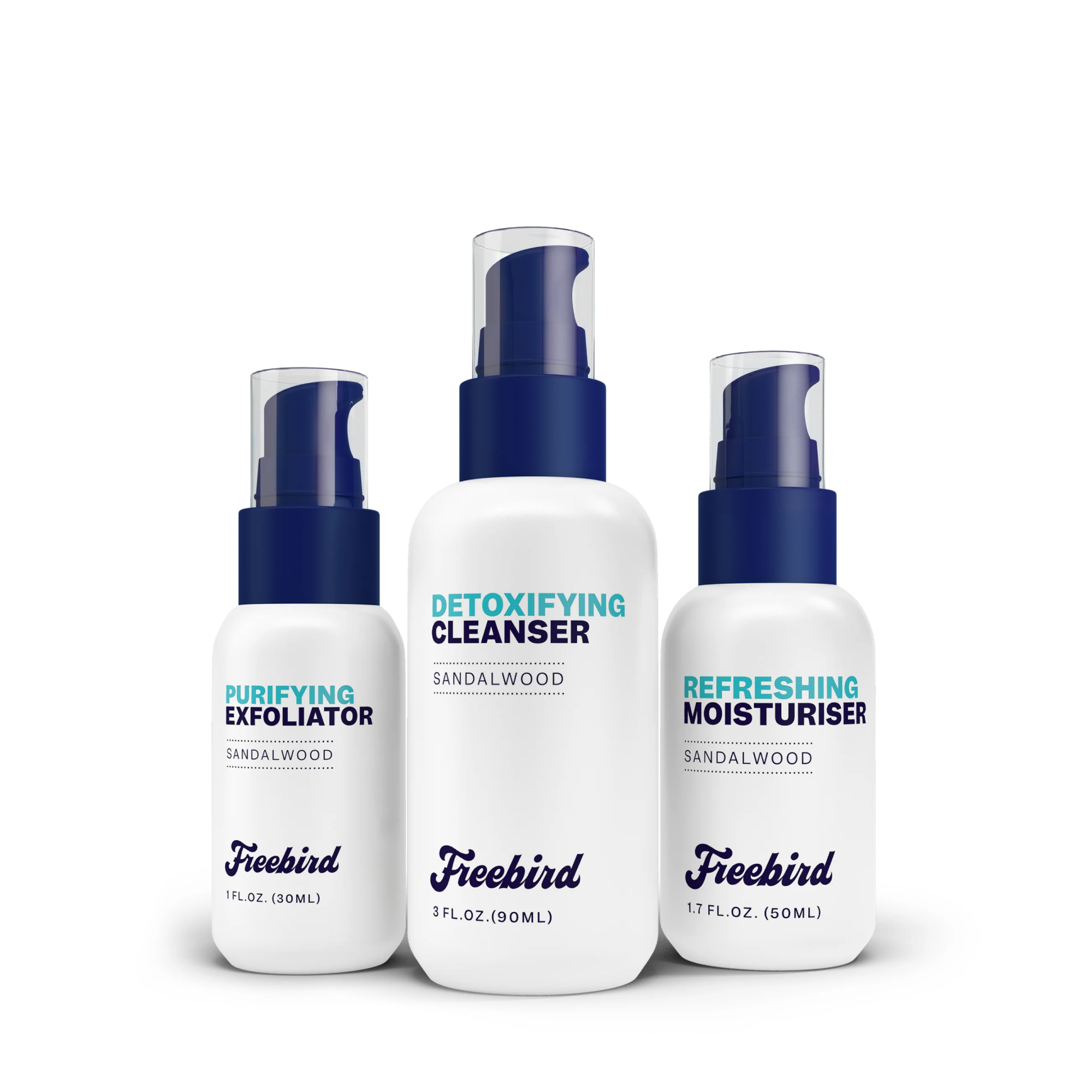
Wash your face first, then shave. Cleansing removes oil, dirt, and dead skin cells that would otherwise sit between the blade and your hair. You'll get a cleaner shave and reduce the chance of clogged pores or breakouts afterward.
Should I Shave Before or After Exfoliating?
Exfoliate before shaving, not after. Exfoliating lifts dead skin and helps hair stand up, which improves blade contact. You'll notice a closer shave for sure.
Does Shaving After a Shower Reduce Razor Burn?
For blade users, yes. The warm water softens hair and skin, which means the sharp razor needs less pressure and fewer passes to get the job done. Reducing pressure and the number of passes directly reduces friction, the main cause of razor burn. This benefit doesn't apply to electric shavers. Their burn risk is already lower by design.
Should I Moisturize Before or After Shaving?
You should always moisturize after a shave. Shaving acts as mild exfoliation, and your skin absorbs moisturizer more effectively immediately afterward. Apply a post-shave balm or lightweight moisturizer within a minute or two of finishing. If your skin runs very dry, a small amount of pre-shave oil before an electric shave can help with surface friction without the issues wet skin causes.
Is it Bad to Shave Dry?
Not if you're using an electric razor. Electric shavers are designed for dry use. That's where they perform best. Shaving dry with a blade razor is a different story. Without lubrication, the blade drags, you press harder, and irritation follows. Always use some form of prep for blade shaving.