





Razor Bumps on a Bald Head: Prevention, Treatment & Electric Shaver Advice
November 13, 2024 • 9 min read
TL;DR
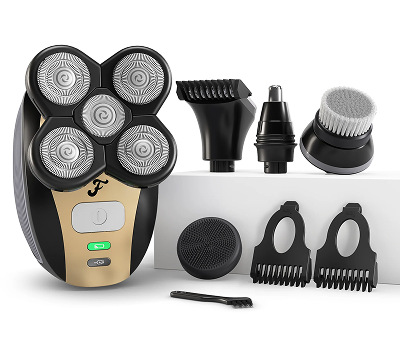
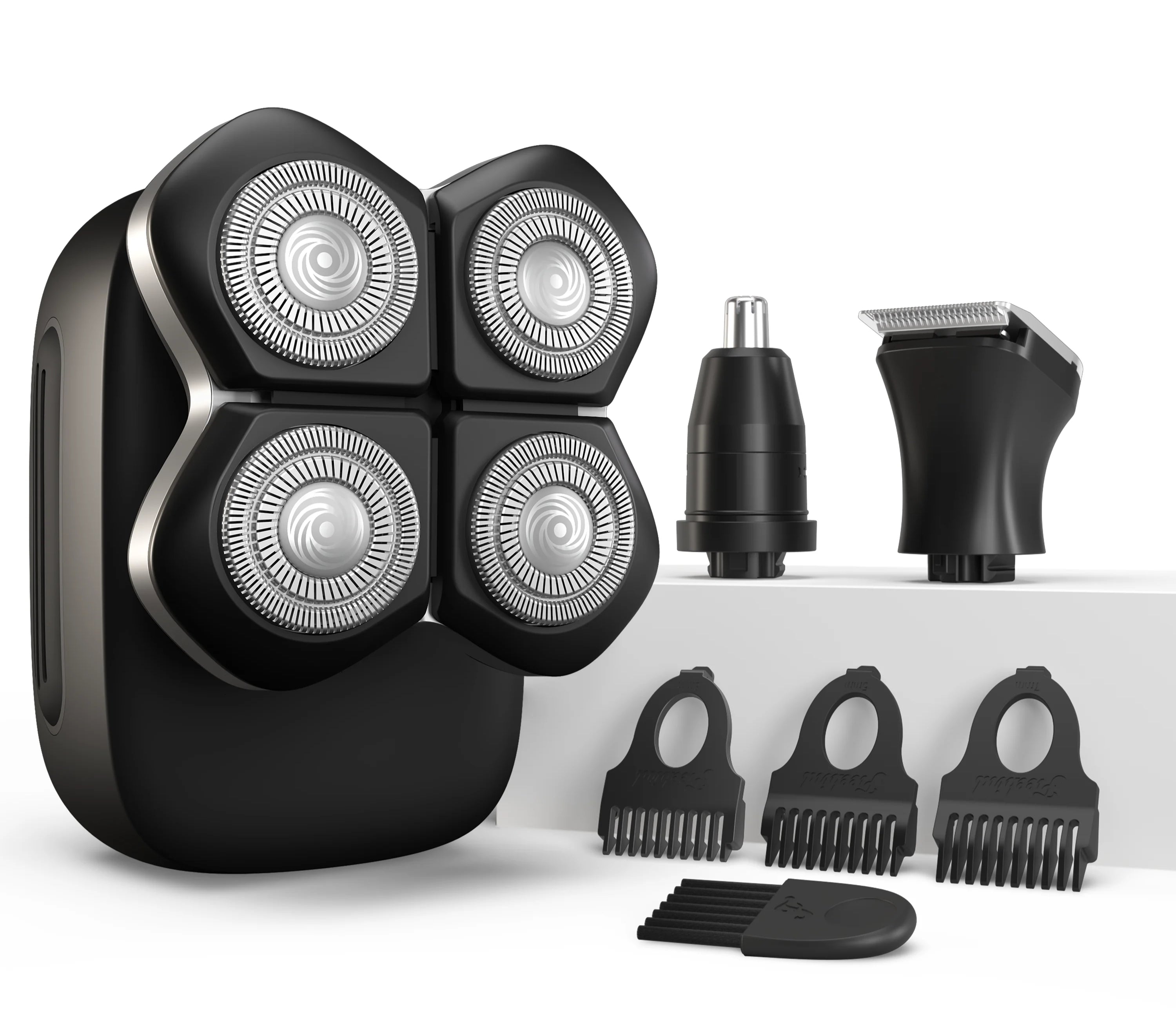
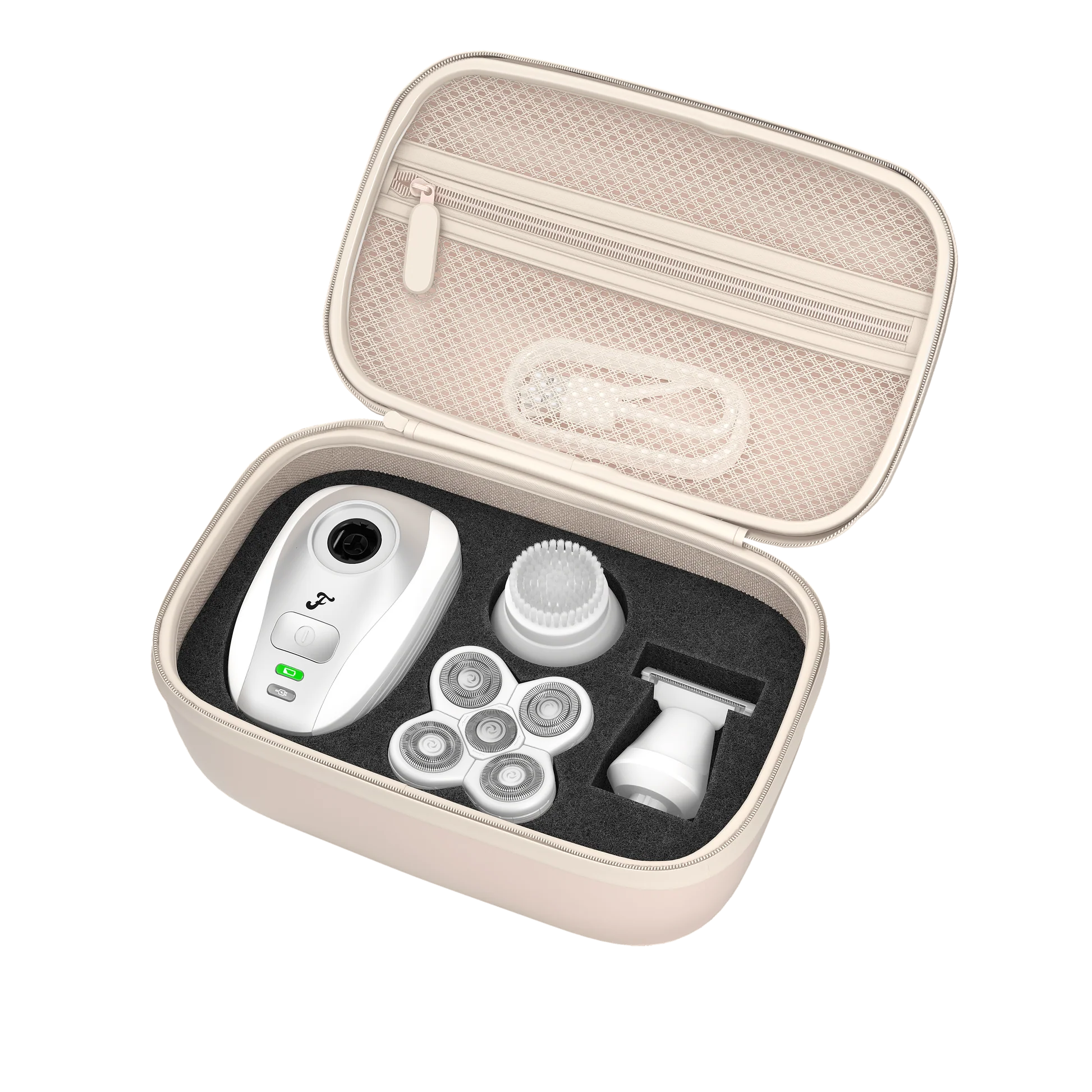
Ditching a manual razor for an electric shaver is the quickest way to clear up your skin, but choosing the right tool matters. While traditional blades scrape and pull, a specialized electric razor like the Freebird FlexSeries Pro is designed specifically to glide over contours without causing the micro-cuts that lead to irritation.
Medical disclaimer: Freebird provides general information, not medical advice. For any health or medical concerns, consult a licensed healthcare professional.
Razor bumps are a frustrating reality for many head shavers. They're painful, irritating, and can ruin the smooth look you're going for. Luckily, understanding what they are, what causes them, and how to treat them can help you get back to a clean, comfortable, and close shave.
Let's get to it.
What Are Razor Bumps?
Razor bumps, technically known as pseudofolliculitis barbae, are small, red bumps that pop up on your skin a few days after shaving. They happen when a hair that's cut too short curls back and grows into your skin instead of straight out of the follicle. Your body treats this ingrown hair as a foreign object, triggering an inflammatory response that leaves you with red, tender, itchy, and annoying bumps.
Whether you’re clearing your head, maintaining your facial hair, or tackling body hair, these bumps can develop anywhere a person shaves.
Common Signs of Razor Bumps
-
Small, solid, round elevations (papules) on the skin surface.
-
Pustules (bumps containing pus) that resemble acne.
-
Intense itching or skin irritation around the shaved area.
-
Tenderness, pain, or a burning sensation (often called razor burn).
-
Hyperpigmentation (darkening of the skin) around the affected follicles.
What Causes Razor Bumps?
Several factors can lead to getting bumps on your head, face, or body. These include:
-
Shaving too closely: This is one of the most common causes of razor bumps, especially when using a multi-blade razor or pressing too hard. When you cut the hair below the skin line, its sharp tip easily retracts and gets trapped.
-
Clogged hair follicles: Dead skin cells, oil, and debris can block hair follicles, making it incredibly hard for new hair to grow outward. Instead, the hairs grow sideways, right under the skin surface.
-
Hair growth patterns (coarse hair): If you have naturally curly or coarse hair, you're likelier to get shaving bumps. The natural curl of the hair makes it far more likely to turn right back into your skin.
-
Poor shaving technique: Shaving against the grain might give you a temporary close shave, but it cuts hair at an angle that makes it easier to grow backward. It's a trade-off that often isn't worth the trouble or the resulting shaving rash.
-
Sensitive skin conditions: Underlying skin conditions, like dry skin, eczema, or highly sensitive skin, make the area more prone to severe inflammation and razor rash.
-
Dull blades: Shaving with dull blades worsens the situation instantly. Instead of slicing smoothly, a dull razor blade pulls and tugs at the hair, leading to uneven cuts and ragged edges. Dull blades are a razor bump's best friend and your worst enemy.
Razor Bumps and Electric Shavers
Can you get razor bumps with an electric shaver? Yes, but it is far less likely if you use the right tool and technique.
Traditional manual options like a disposable razor or cartridge razors scrape off the top layer of skin along with the hair. Electric razors operate differently, using a guard to protect the skin's surface. However, cheap or poorly designed electric shavers can still pinch the skin or pull hair if the blades are dull or spinning at low speeds.
When choosing an electric razor, the technology matters:
-
Foil shavers: A typical foil razor or foil shaver uses a thin sheet of metal over a moving blade. While good for straight lines, a standard foil shaver can struggle with the intense curves of a human scalp.
-
Rotary shavers: A rotary shaver uses spinning circular cutters. Standard rotary tools often require multiple passes, which can increase skin irritation.
The FlexSeries Pro Solution
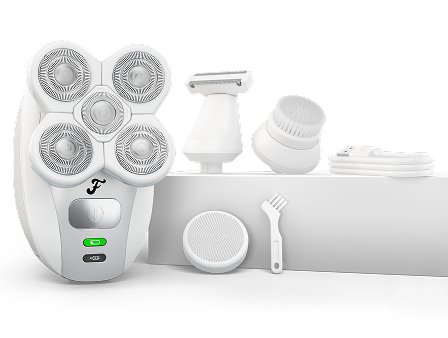
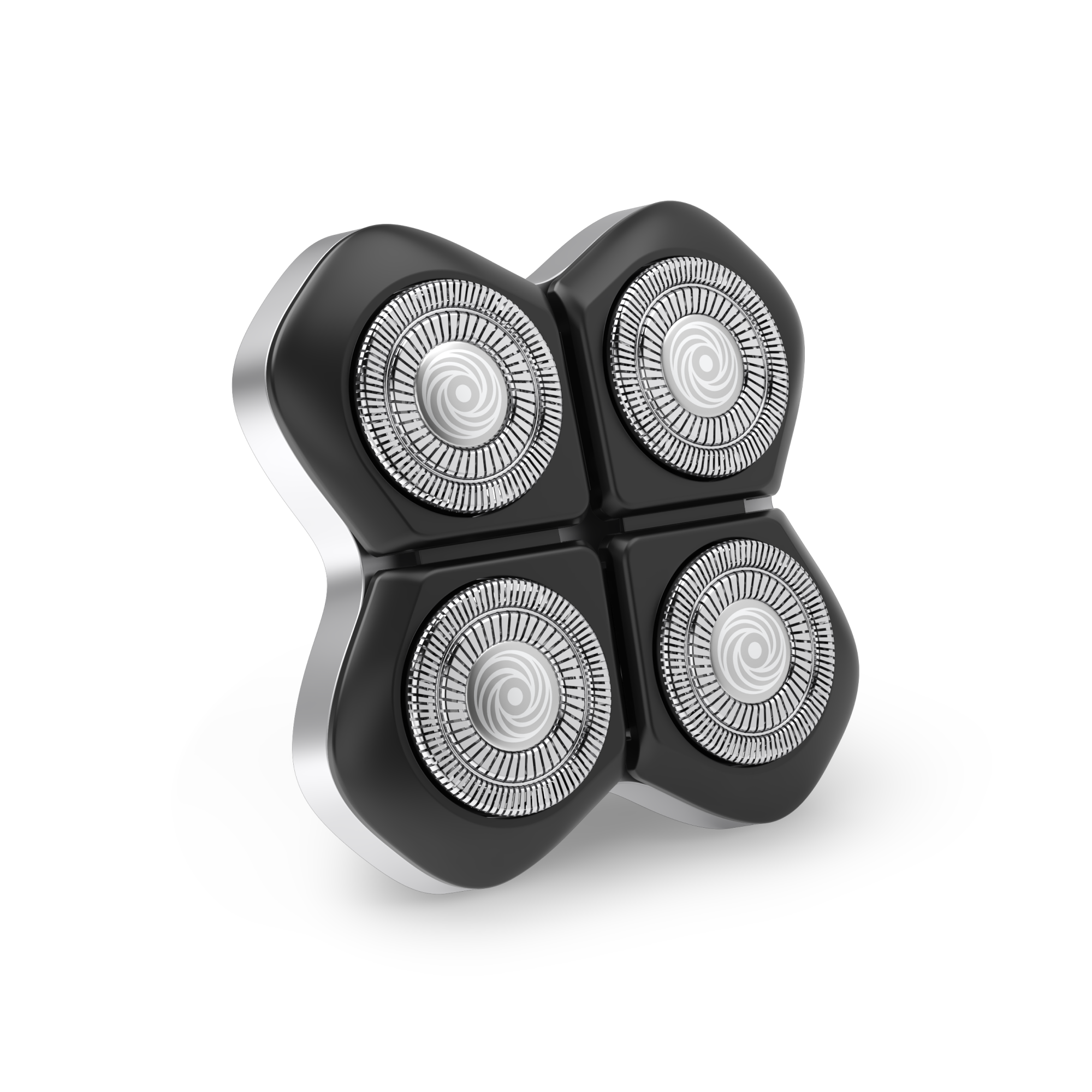
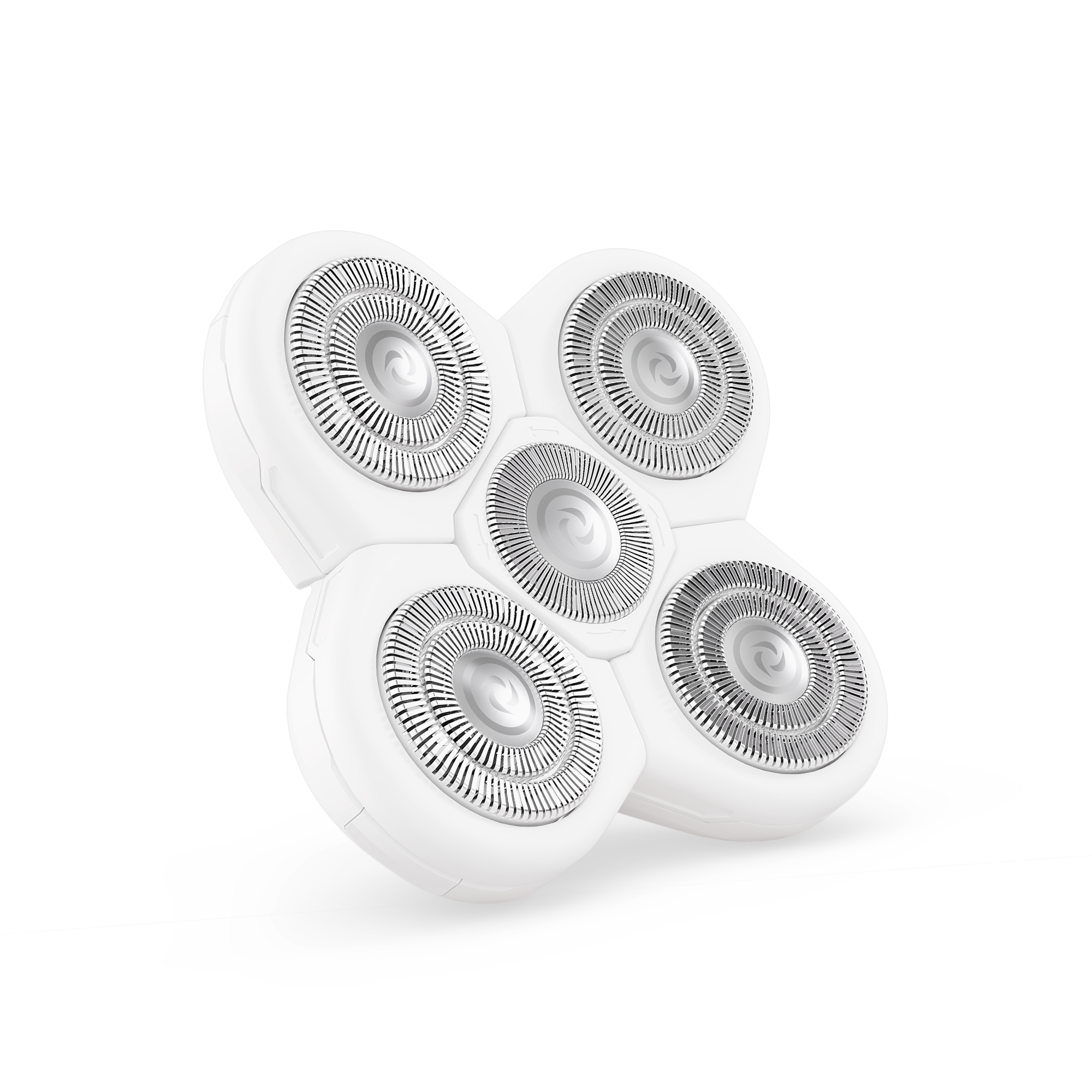
If you want a close shave without the barber visit or the breakout, you need a tool built for the job. The Freebird FlexSeries Pro features Freebird’s proprietary Scalp-Safe™ technology. It contours perfectly to the shape of your head, face, or body, cutting the hair precisely at the skin level, not beneath it. This virtually eliminates the risk of ingrown hairs and razor burn, making hair removal easier, smoother, and completely nick-free.
How To Prevent Razor Bumps
Preventing razor bumps is possible when you apply these easy hacks:
Exfoliate Regularly
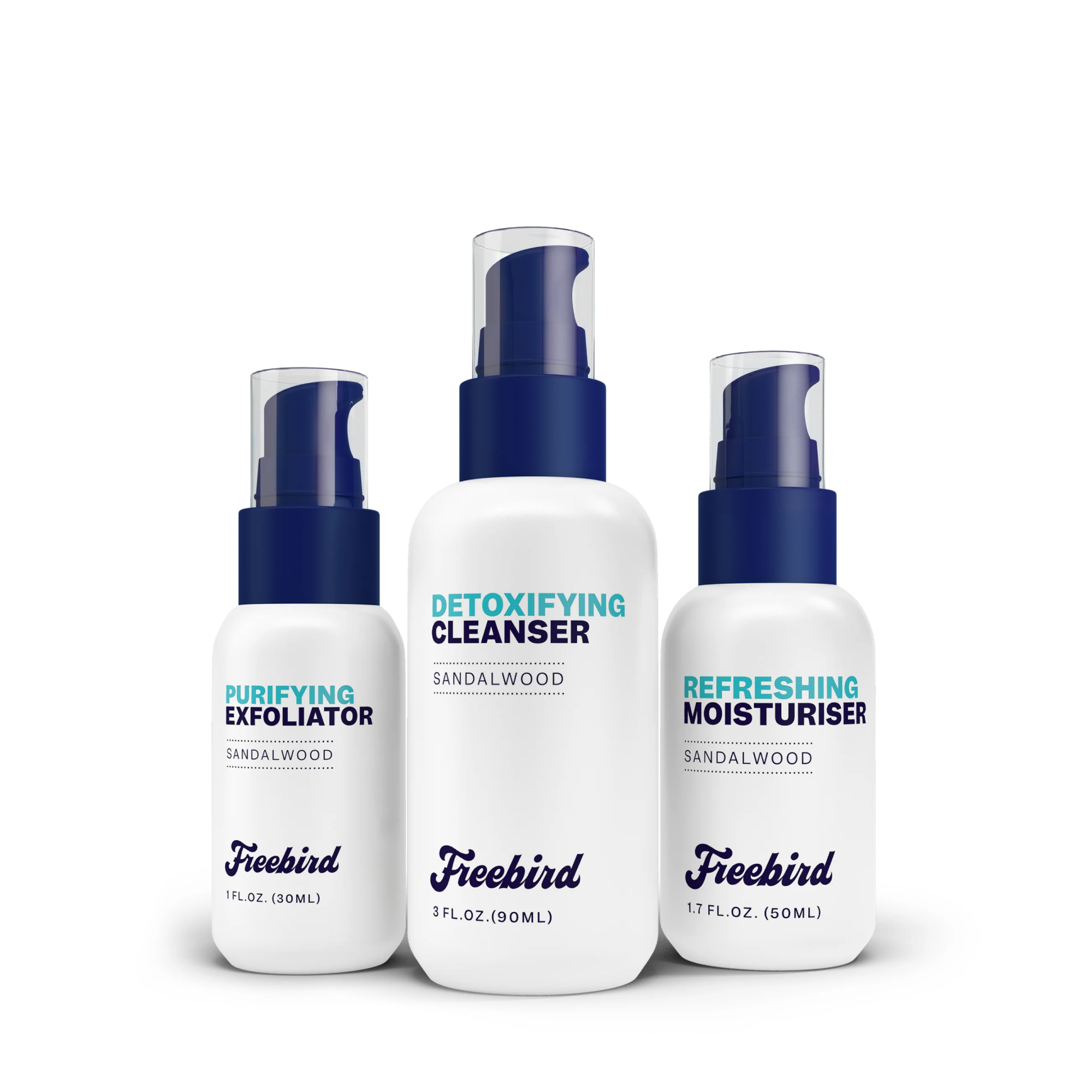
Dead skin cells can clog your skin, making it easier for hair to become ingrown. Removing dead skin by exfoliating a day or two before you shave can help prevent bumps. Using a soft brush to gently exfoliate may help guide hairs out of the pores.
Mechanical scrubs can also help remove dead skin cells and free ingrown hairs, but they may cause skin irritation. Read our guide on how to exfoliate your scalp to learn more. You don't want to trade razor bumps for an irritated scalp.
Shave with the Grain
Changing your shaving technique can help prevent razor bumps. While shaving against the direction of hair growth may give you that baby-smooth feel, it's a high-risk, high-reward move.
Shaving with the grain may not give you the closest shave, but it lowers the chances of ingrown hairs. It's the safer, smarter choice.
Use Sharp Blades
This is a no-brainer. Using a sharp blade cuts cleanly and minimizes uneven cuts, even if you have coarse or curly hair. Make sure you're swapping your blades regularly, especially when they start to pull and tug.
Pro-tip: According to the American Academy of Dermatology, using a single-blade razor or an electric shaver can help reduce razor bumps.
Keep Your Skin Moisturized
Keeping your scalp moisturized helps prevent razor bumps. Dry shaving with an electric shaver may cause painful bumps, especially if you have sensitive skin.
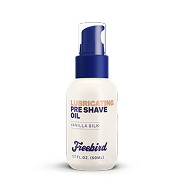
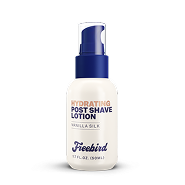
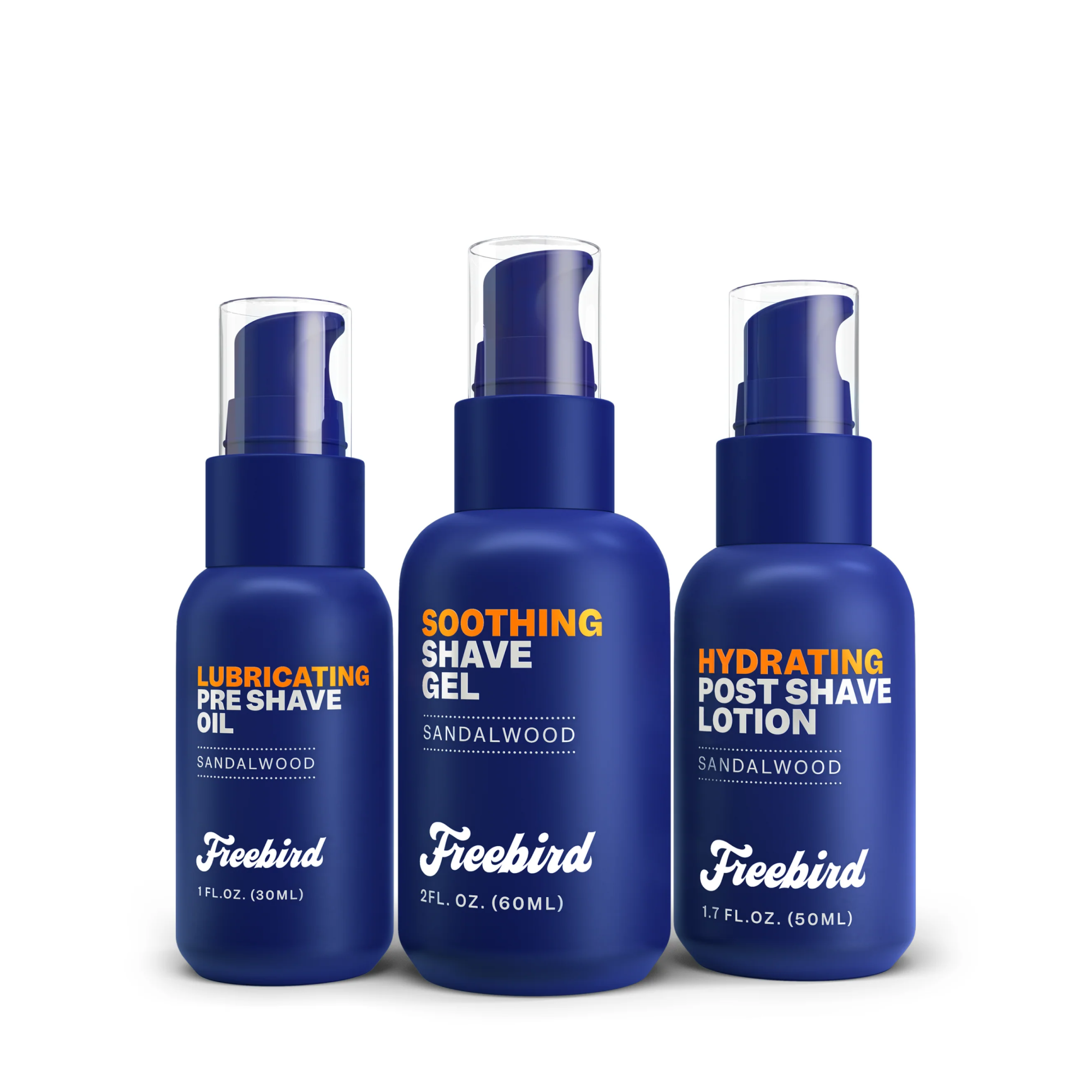
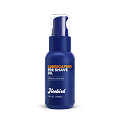
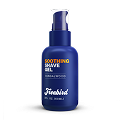
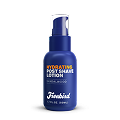
Before shaving, proper preparation is key. Applying warm water and using a high-quality pre-shave oil and a moisturizing shaving cream or shaving gel are good pre-shave steps. After shaving, putting on after-shave lotion or moisturizer can calm your skin, reduce irritation, and prevent razor burn.
Switch to an Electric Razor
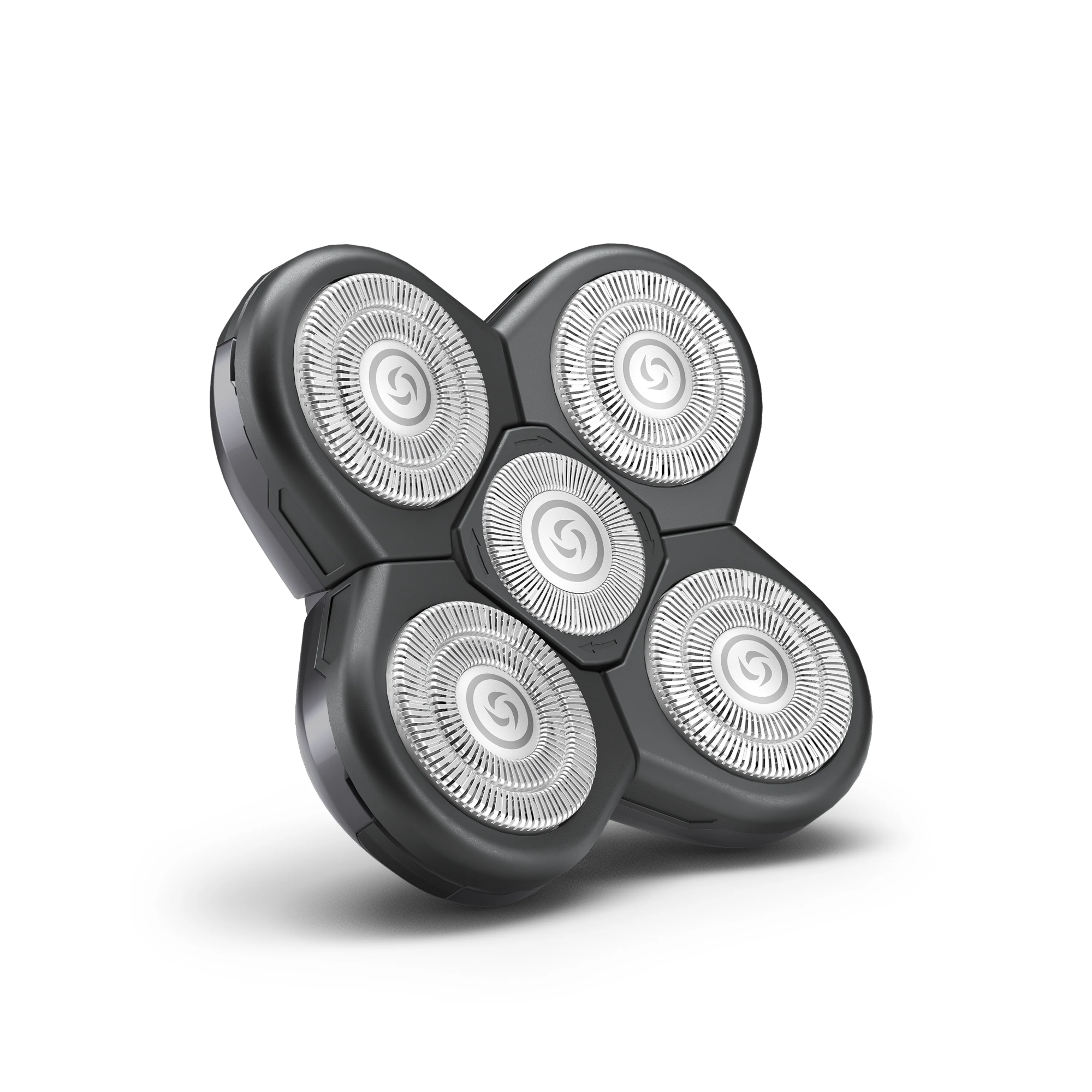
Sometimes the best solution is to switch things up. Rotaries like Freebird's FlexSeries Pro cut closely but above the skin, so hair can't grow back in an ingrown fashion. The FlexSeries Pro's ScalpSafe technology blades are super sharp and designed for sensitive scalps, making them a great option for bump-prone heads.
Try it out today for only $59.95
How To Treat Razor Bumps on Head
If you already have a breakout of shaving bumps or a nasty razor rash, step one is to stop shaving the area immediately to let the skin heal.
To speed up recovery, look for targeted skincare products that feature high-performing active ingredients. Do not just rely on generic lotions; look for formulations containing:
-
Salicylic acid: A beta-hydroxy acid that penetrates deep into pores to dissolve dead skin cells and free trapped hairs.
-
Glycolic acid: An alpha-hydroxy acid that gently exfoliates the skin surface to smooth out bumps.
-
Acetylsalicylic acid: Known for its powerful anti-inflammatory properties, it quickly reduces redness and swelling.
-
Niacinamide: A form of Vitamin B3 that calms skin irritation, strengthens the skin barrier, and fades the dark spots left behind by old bumps.
Apply a warm compress to the area for a few minutes to open up the pores, followed by a soothing balm containing aloe vera or the active ingredients listed above.
Alternative Solutions To Prevent Razor Bumps
If you've tried everything and those pesky bumps keep coming back, it might be time to consider other options to get rid of razor bumps.
Hair Removal Creams
Hair removal creams can dissolve hair quickly, but you must proceed with caution due to possible safety issues.
Laser Hair Removal
This is a more modern but pricey method of scalp hair removal. It uses highly concentrated light to destroy hair follicles. Prepare to spend 6 to 12 sessions and a hit on your wallet before you get the best results. Read our guide on how to shave without a razor for more tips.
Buzz Cut
The simplest solution to get rid of razor bumps for good. Getting a buzz cut is a safer and less expensive option to say goodbye to razor bumps and irritated skin forever. But wait, before you grab your balding clippers, read our guide on buzz cuts to see if it suits you. If not, check out other haircuts for baldies that may work.
When to See a Dermatologist
Most shaving bumps will heal on their own, but sometimes they can get out of control. You should see a dermatologist if:
-
The bumps are very large, painful, and filled with pus.
-
You see signs of infection, like fever, rashes, or swelling.
-
The bumps aren't getting better after weeks of home remedies.
-
They're a recurring nightmare, new razor bumps pop up regularly, and you can't find a solution that works.
The Bottom Line
Dealing with razor bumps is a pain, and no one wants to feel like their head is a permanent landing strip for angry red dots. But you've got this. If you want to get rid of razor bumps, you need to be proactive. Put the razor down for a bit, treat those bumps with some TLC, and then get back to shaving with a smarter routine.
Just remember, when they get worse, it's time to let the pros handle it. See a doctor or dermatologist.
FAQs
How To Avoid Razor Bumps on the Head?
The best way to avoid razor bumps on the head is to:
-
Exfoliate
-
Moisturize
-
Use sharp blades
-
Shave with the grain
-
Use a quality electric shaver
Are All Bumps on My Head Razor Bumps?
Not all bumps on your head after you shave are razor bumps. Other possible conditions cause bumps, such as acne or eczema.
Before you treat your bumps, make sure you know what you're dealing with. If you are unsure, consult your doctor or dermatologist.
Are Razor Bumps and Razor Burns the Same?
No, they are not, but they are often confused. Razor burn is a red rash that appears immediately after shaving due to irritation. Razor bumps show up days later as individual red bumps caused by ingrown hairs.
Do Razor Bumps on the Head Go Away?
Generally, yes. Those nasty bumps on our heads heal in a few days or weeks. If they persist or get worse, see a doctor or dermatologist immediately.
Does Vaseline Help Razor Bumps?
Yes, Vaseline may help with razor bumps. It may help soothe the affected area by locking in moisture and preventing dryness.
Avoid using too much, since it may clog pores.
How to Speed Up Healing Razor Bumps?
To speed up the process, you can:
-
Halt shaving.
-
Warm compress.
-
Moisturize.
-
Use tea tree oil.
-
Use aloe vera gel.
-
Use salicylic acid.
-
Use glycolic acid.
Can I Get Complications from Razor Bumps?
Yes, razor bumps can get infected if left untreated or picked at. Contact your doctor immediately if you notice them getting worse or more painful.
How Long Do Razor Bumps Last?
Typically, razor bumps last anywhere from a few days to two weeks. The duration depends heavily on your skin type, hair texture, and whether you give the area a break from shaving. Using targeted skincare with active exfoliating ingredients can significantly speed up the healing process.
What Active Ingredients Help With Razor Bumps?
To effectively treat and eliminate bumps, look for products containing salicylic acid and glycolic acid to exfoliate the skin surface, acetylsalicylic acid to decrease inflammation, and niacinamide to soothe irritation and rebuild the skin barrier.
How Often Should You Replace Electric Shaver Blades To Prevent Bumps?
To avoid skin irritation and maintain a perfectly close shave, you should replace your electric shaver blades every six to nine months, depending on how frequently you shave and the coarseness of your hair. Dull blades pull hair instead of cutting it cleanly, which is a primary trigger for shaving bumps. With a Freebird subscription, fresh blades arrive automatically right when you need them.