








Beard Balm vs. Beard Oil: What Does Your Beard Actually Need?
February 26, 2026 • 7 min read
There's a specific kind of guy who takes beard care extra seriously: the bald man. You've already made the cleanest style statement possible above the neck. The beard isn't an afterthought; it's the whole look. So, when people ask, "beard oil vs balm?", the question hits differently. There's no hairline to balance things out. No fallback. If the beard looks off, the whole presentation feels off.
Here's the short answer: they do different things, they're not competing beard care products, and most guys end up using both.
Let's get into it.
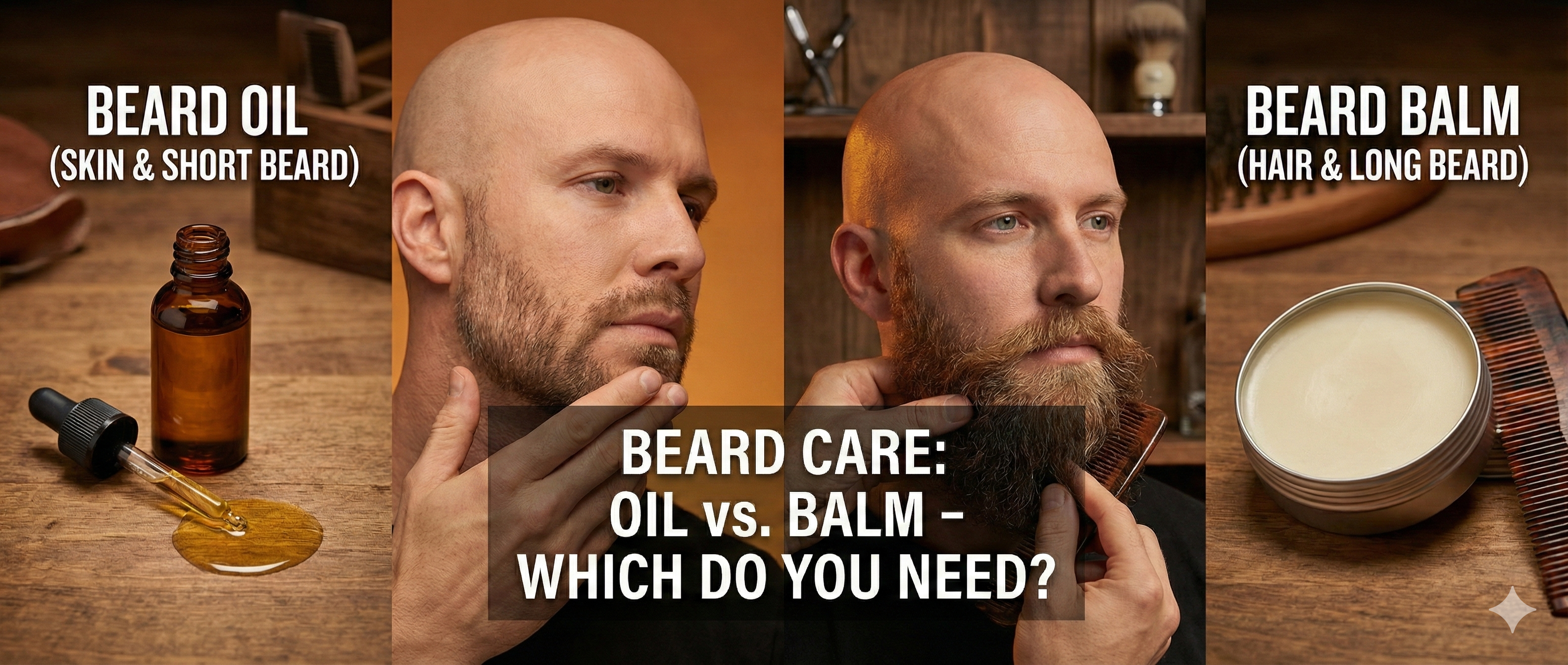
What is Beard Oil?

Beard oil is a lightweight blend of carrier oils (usually jojoba, argan, sweet almond, or grapeseed), sometimes combined with essential oils for scent. It absorbs quickly and doesn’t leave a heavy residue when used properly.
Its primary job isn’t just softening beard hair but also keeps the skin beneath your beard healthy.
Your skin naturally produces sebum to keep your beard moisturized. But as facial hair grows longer and denser, it doesn’t distribute as easily down the hair shaft. The result is dryness, itchiness, flaking, and what the beard world calls “beardruff or beard dandruff.”
Beard oil supplements your skin’s natural oils and helps reduce moisture loss. It keeps the skin barrier healthier, which in turn reduces irritation and flaking. It also coats the hair shaft, improving flexibility and softness while adding a subtle, healthy-looking sheen.
Jojoba oil (one of the most common beard oil ingredients) is a liquid wax that's similar to human sebum. Research shows it can support skin barrier function and may have mild anti-inflammatory and conditioning properties, which is good for all beard types.
Apply a few drops of beard oil after a warm shower, when your skin is clean and slightly damp. Warm water softens the outer layer of skin, allowing better absorption.
And if you’re bald? A drop of beard oil can work on a dry scalp, too. Just keep the formula simple and avoid heavily fragranced versions if your skin is sensitive.
What is Beard Balm?

Beard balm is a thicker, wax-based product (think of it as a hybrid between a leave-in conditioner and a light styling product). Most formulas blend shea butter and natural waxes (typically beeswax) with carrier oils and fragrance. The texture is closer to a soft pomade than a liquid.
Where beard oil focuses primarily on conditioning the skin, balm does three jobs at once: it conditions, adds hold, and reduces moisture loss. The beeswax provides light-to-medium control, which is enough to tame flyaways, unruly beard hairs, manage curly beards, shape longer beards, and add structure without stiffness. The shea butter and oils soften the hair while moisturizing it, helping the beard stay conditioned longer.
Because beard balm coats the hair more substantially than oil, it can also offer mild protection against dry air and wind by reducing moisture evaporation. It’s not armor, but it does help prevent your beard from feeling brittle in harsh conditions.
Applying beard balm takes a little more effort than beard oil. Scoop a dime-sized amount, warm it between your palms until it softens, then work it through a towel-dried beard. Use a comb or boar bristle brush to distribute evenly and shape as needed.
The trade-off? It’s heavier. On short or sparse beards, beard balm can feel excessive and may leave visible residue if you use too much.
Key Differences at a Glance
Here are the key differences between beard oil vs beard balm:
|
|
Beard Oil |
Beard Balm |
|
Texture |
Lightweight liquid |
Thick, wax-based cream |
|
Primary purpose |
Skin hydration and beard softness |
Styling, structure, conditioning, moisture retention |
|
Best for |
All beard lengths (especially short beards) |
Medium to long beards |
|
Hold |
None |
Light to medium |
|
Absorption speed |
Absorbs quickly into skin and hair |
Slower (sits on hair longer for longer lasting control) |
|
Skin benefits |
High (directly targets skin beneath the beard) |
Moderate (limited skin contact) |
|
Styling control |
Minimal |
Noticeable shaping and flyaway control |
|
When to apply |
After a shower, on clean slightly damp skin |
After oil, on a towel-dried beard |
Which Should You Use? (By Beard Length)

Here are application tips for each of the stage of beard growth.
-
Stubble and short beards (under 1 inch): Start with beard oil. At this length, there’s very little to style, so beard balm usually isn’t necessary. Oil handles what matters most early on: reducing itch, supporting skin hydration, and softening new growth. Apply daily, especially for guys with patchy beards.
-
Medium beards (1–3 inches): This is where many guys benefit from both. Apply oil first to condition the skin underneath, then use a small amount of balm to add light hold and shape. Beard oil supports the skin layer; beard balm manages the hair layer.
-
Long beards (3 inches and up): As length increases, structure becomes more important. Most longer beards benefit from combining oil and balm (oil to maintain skin comfort, balm to control flyaways and help the beard hold its shape throughout the day). You may find yourself leaning more heavily on balm as length increases, especially in dry or windy conditions.
Can I Use Both Beard Oil and Balm?

Yes. For medium to long beards, balm and beard oil together makes sense. The key to your beard journey is the order.
Start with beard oil. Work it into the skin and hair. Give it a minute to absorb. After that, apply beard balm on top. The beard oil conditions and softens; the beard balm adds hold and helps reduce moisture loss while giving your beard shape and control. Used correctly, they complement each other (they don’t compete).
One thing to watch: scent layering. If both products are fragranced, make sure they actually work together. Two competing scents sitting under your nose all day can turn into a headache in a flash. If you’re unsure, go unscented with one or stick to the same product line.
How do you know you’ve overdone it? If your beard looks shiny in a greasy way or feels heavy and coated, you’re using too much. Cut the amount in half and adjust from there. You can always add more (it’s harder to undo overload).
A Quick Note on Beard Butter

You’ll see “beard butter” pop up next to balm and oil in search results, so here’s the quick breakdown before you disappear into that rabbit hole.
Beard butter sits between oil and balm. It’s thicker than oil, softer than balm, and usually skips the heavy wax. That means it leans hard into conditioning and softness, with little to no real hold. It melts in easily, feels rich, and leaves the beard touchable rather than structured.
If your beard is longer, healthy, and naturally well-behaved, butter can be a great daily conditioner. But if you need actual control (taming flyaways, shaping the sides, keeping things in place), balm is still the better choice.
The Full Routine (Plus the Part Most Guys Skip)

Most guys focus on products. Fewer focus on shape. The second one is what people actually notice.
You can have the softest, healthiest beard in the room, but if the neckline drifts or the edges blur, it reads unintentional. A clean outline and a well-groomed beard is what separates “growing a beard” from “wearing a beard.”
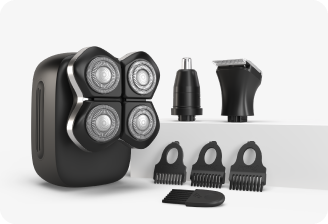
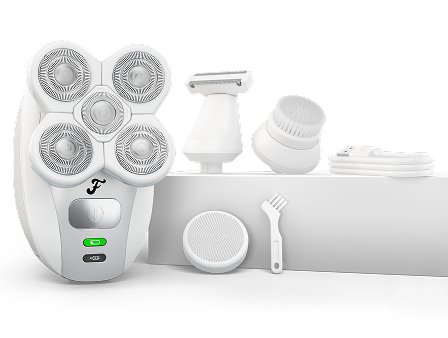
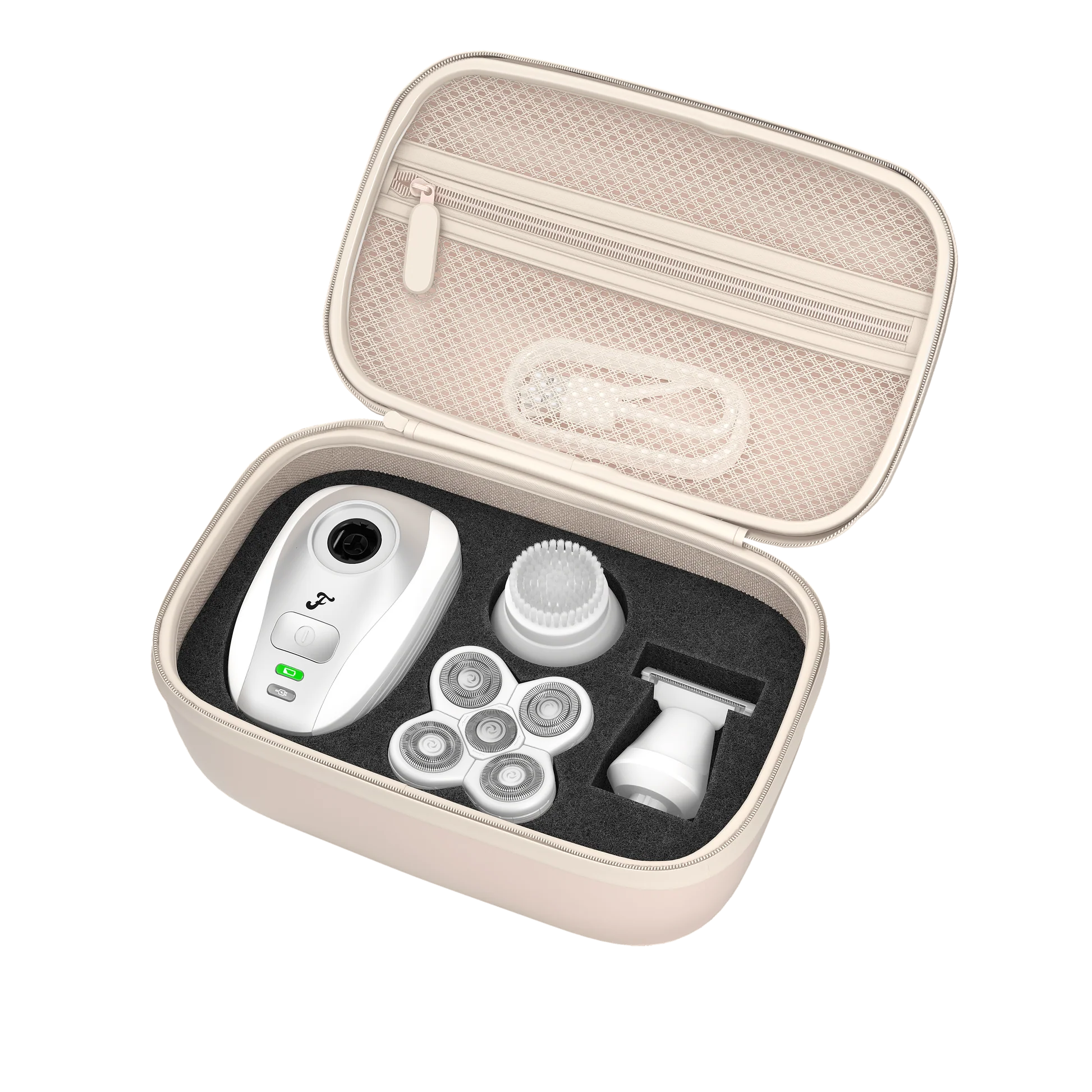
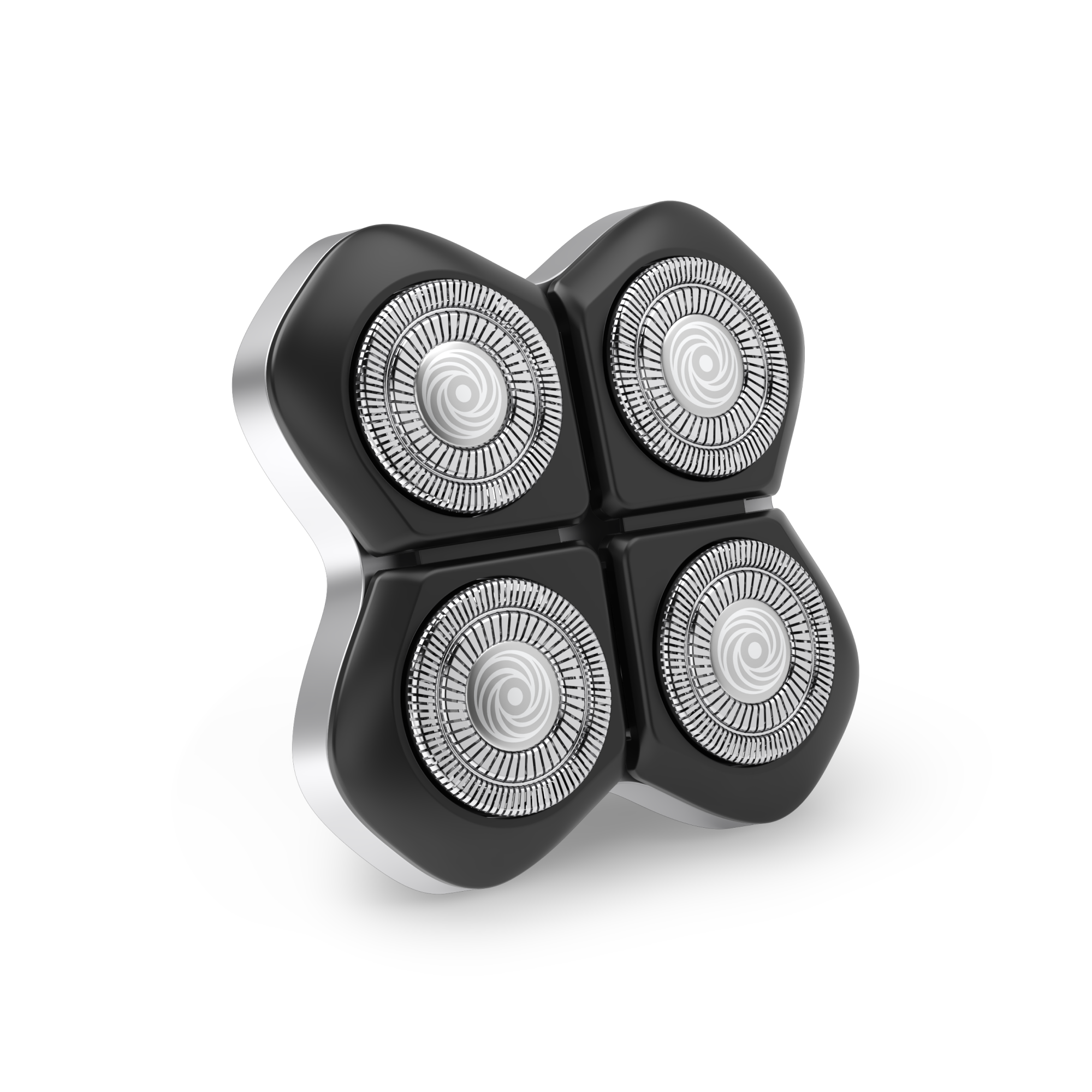
That’s where the Freebird BeardSeries Kit comes in. It’s built for precision. Tightening necklines, defining cheek lines, and handling detail work without undoing the conditioning routine you’ve already dialed in. It’s not about over-styling. It’s about keeping the structure sharp.
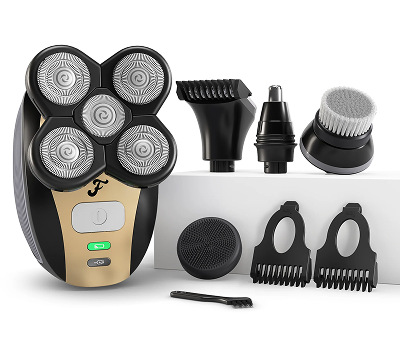
For guys who prefer one tool for both head and beard grooming The FlexSeries Pro is a good option. What's better, it can also groom your whole body too!
A bald and bearded individual isn’t halfway committing. It’s a deliberate look. Conditioning keeps it healthy. Shaping makes it intentional.
If you want to refine the pairing even further, check out our guide on the best beard styles for bald men.
The Bottom Line
Beard oil and beard balm aren’t rivals. They work together for preventing dryness: oil for the skin, balm for the hair. Skip one long term and you'll eventually feel it (either in the skin or the shape).
Short beard? Stick with oil. Let it handle itch, dryness, and softness. Past an inch? Bring in beard balm. Oil first, let it sink in, then balm to shape, tame, and protect your investment.
Bald men, listen up: your beard is front and center. The skin around it takes hits from the sun, wind, and daily shaving. Healthy skin isn’t a luxury; it’s the foundation of the look you’ve committed to.
Condition. Shape. Repeat. That’s the best grooming routine.
FAQs
Does Beard Oil Help with Beard Itch?
It does. Early-growth itch is mostly caused by dry skin and sharp hair tips. Beard growth oils moisturizes the skin, softens the hair, and calms that scratchy phase. Apply daily after showering for best results.
How Often Should I Apply Beard Oil?
Applying beard oil daily is the standard, especially for shorter beards or guys who shave nearby skin regularly. Longer, well-conditioned beards may only need oil every other day. Start with daily and adjust based on how your skin and beard feel.
Can I Use Beard Oil and Beard Balm Together?
Yes, apply oil first, let it absorb for about a minute, then follow with the beard balm. Oil works on the skin; balm works on the hair. Balm and beard oil condition, soften, and shape in a way neither can do alone.
Should I Use Beard Balm Every Day?
Most men with medium to long beards benefit from daily balm. It helps manage hair, tame flyaways, and reduce moisture loss throughout the day. Short beards usually don’t need it, daily oil alone is enough to keep your beard healthy.
Do I Need Beard Oil if I Already Use Beard Balm?
Yes. Beard balm primarily coats the hair; it doesn’t reach the skin as effectively. Skipping oil can lead to dry skin under the beard, causing itching and flaking even if the beard looks good on the surface.
Is Beard Balm or Oil Better For a Bald Man With a Beard?
Balm and beard oil have a role, but oil takes priority. The scalp and facial skin of men who shave regularly tends to dry out first, so skin hydration comes first. Start with oil daily, then add balm once your beard reaches an inch or more. The combination keeps the beard soft, manageable, and intentional, not just “grown out.”