






How to Shave Your Head in 2026: Step-by-Step
November 13, 2024 • 11 min read
Ever seen a guy with a freshly shaved head that looks as smooth as glass? On the flipside there's the other guy with a patchy, irritated scalp, looking like he lost a fight with his razor.
Shaving your head isn't just about getting a razor and blasting away. Ask any guy who's ended up with a bloody and bumpy dome after their first attempt.
I've been shaving my head for over a decade and the first time I tried an electric rotary shaver, I skipped the prep and went straight right in. Big mistake. I ended up with razor burn on my neck that stung for days. Since then, I've learned what actually works.
In this guide, I'll walk you through picking the right razor and aftercare that keeps your scalp looking fresh. When we finish, you'll know exactly how to get a professional-quality shave without the nicks, bumps, or regrets.
Ready to rock that new look?
Let's get into it!
Choosing the Right Shaving Tools for Your Head

Your razor pick sets everything up. Think of it like choosing shoes for a run. Wrong pair, you're in pain.
The tool you pick makes or breaks your shave. Some guys swear by safety razors, others won't shave unless it' electric. Your choice hinges on of you value speed, closeness or safety.
Here's a quick guide to help you choose between a Safety Razor, a Cartridge (or Disposable) Razor, and an Electric Shaver.
Safety Razor
-
Pros: Close shave, cheap blades (around $0.10 each), and eco-friendly due to less waste (Mother Earth will thank you).
-
Cons: Steeper learning curve, higher risk of nicks and cuts, and requires more time and care. Your first few shaves can be nerve-wracking. One wrong angle and you're bleeding.
Best For: Guys who want a traditional shaving experience and don't mind learning the right technique. Also, perfect if you want to reduce plastic waste.
Cartridge (or Disposable) Razor
-
Pros: Super easy to use, widely available, and less risky of getting cuts. Multiple Reddit head shavers swear by pivoting cartridge razors (like the 3-blade Leaf Razor) because the curved dome of your head makes fixed-angle razors inefficient. Your head is all curves, unlike your face, which has more flat areas.
-
Cons: More expensive over time, can irritate, takes longer, and creates more plastic waste. You're looking at $20 to $30 monthly if you replace blades regularly. That adds up fast.
Best For: Beginners or anyone who wants a closer shave without deep cuts (ouch)!
Electric Shaver
-
Pros: Quick and convenient, safer, can shave wet and dry.
-
Cons: Expensive upfront, not as close a shave as manual razors, and requires charging.
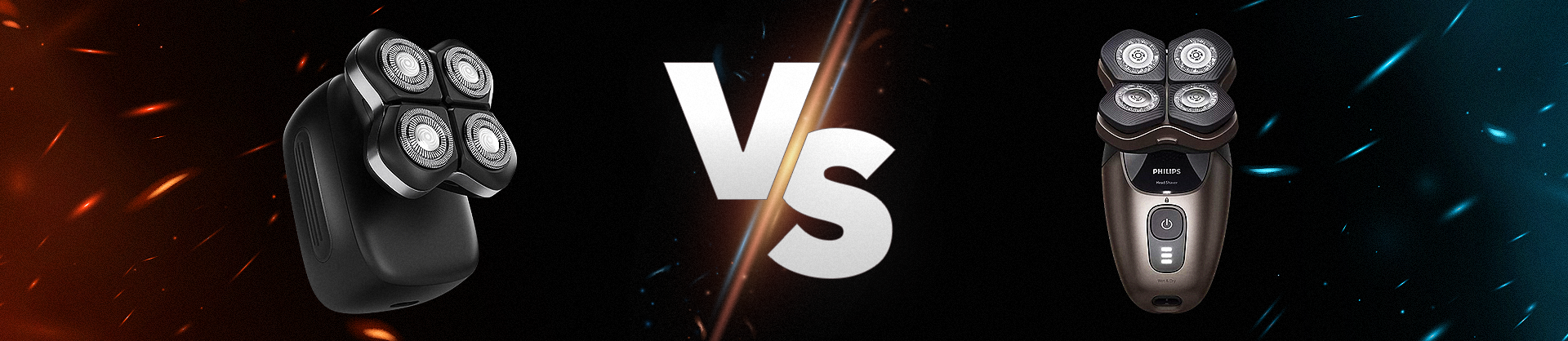
Best For: Those who value speed and convenience or have sensitive scalps. Check out our article for a detailed comparison of Foil vs. Rotary shavers.
To read more about Electric vs. Manual shavers, read our article here.
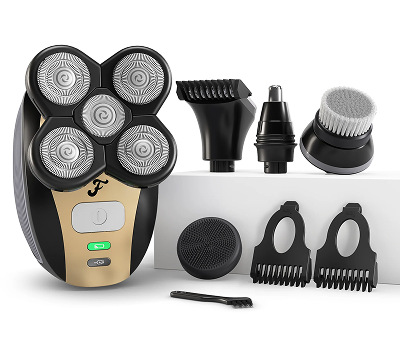
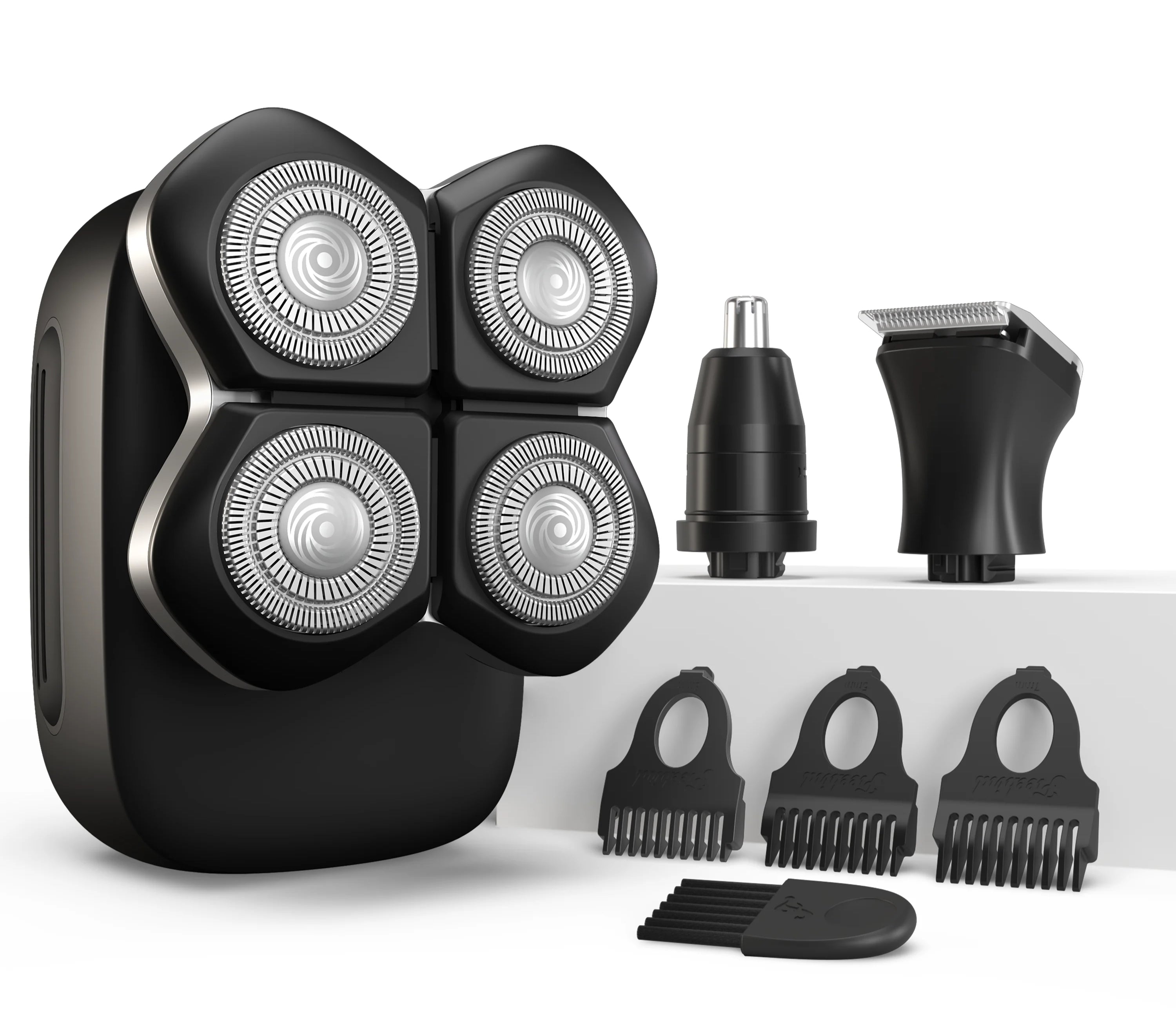
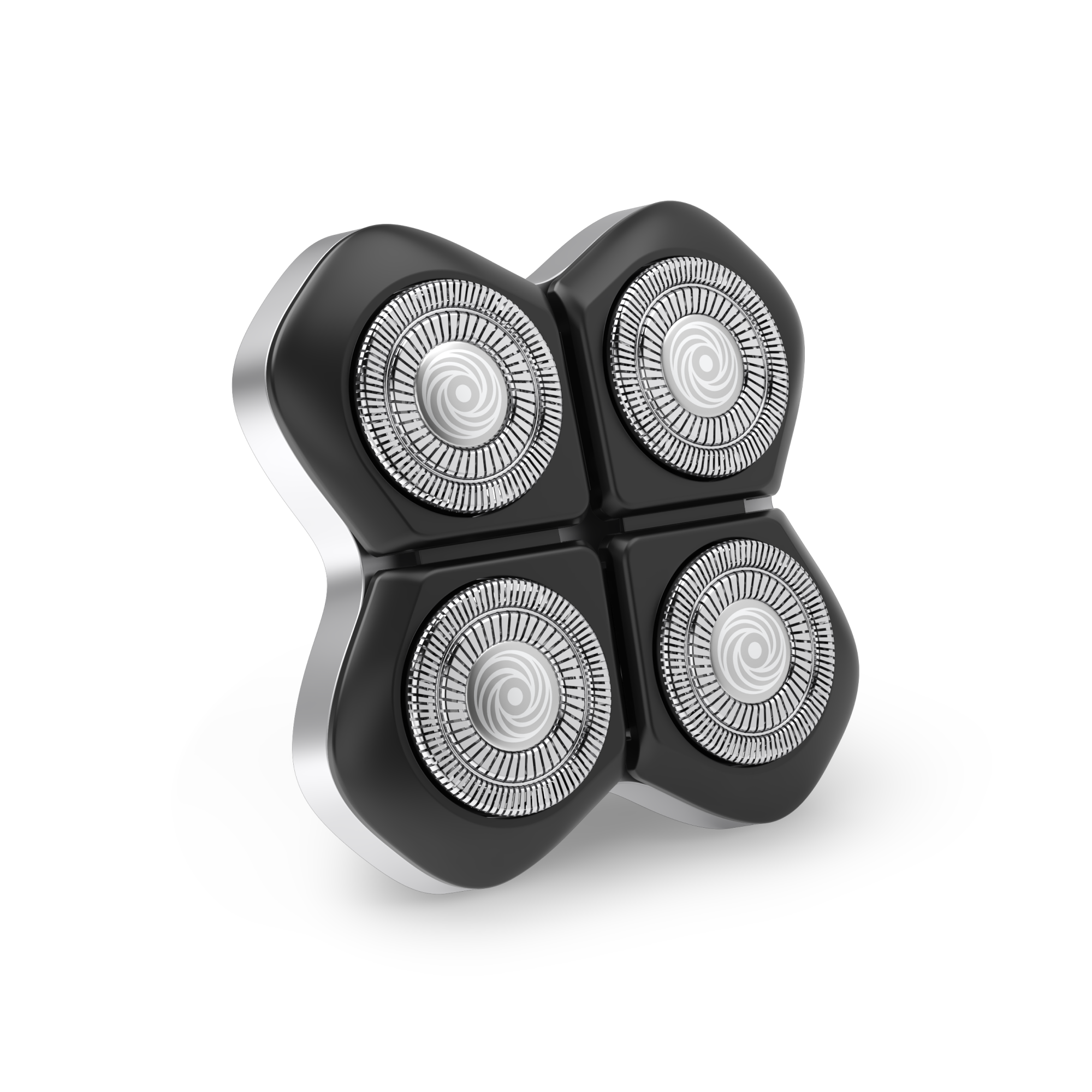
An electric shaver is my weapon of choice, as it offers speed, convenience, and safety. Check out our top choices for the best electric head shavers here.

Shaving Your Head: Step by Step
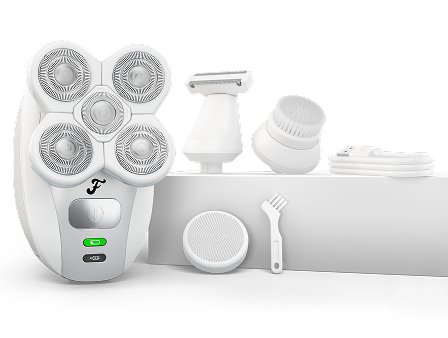
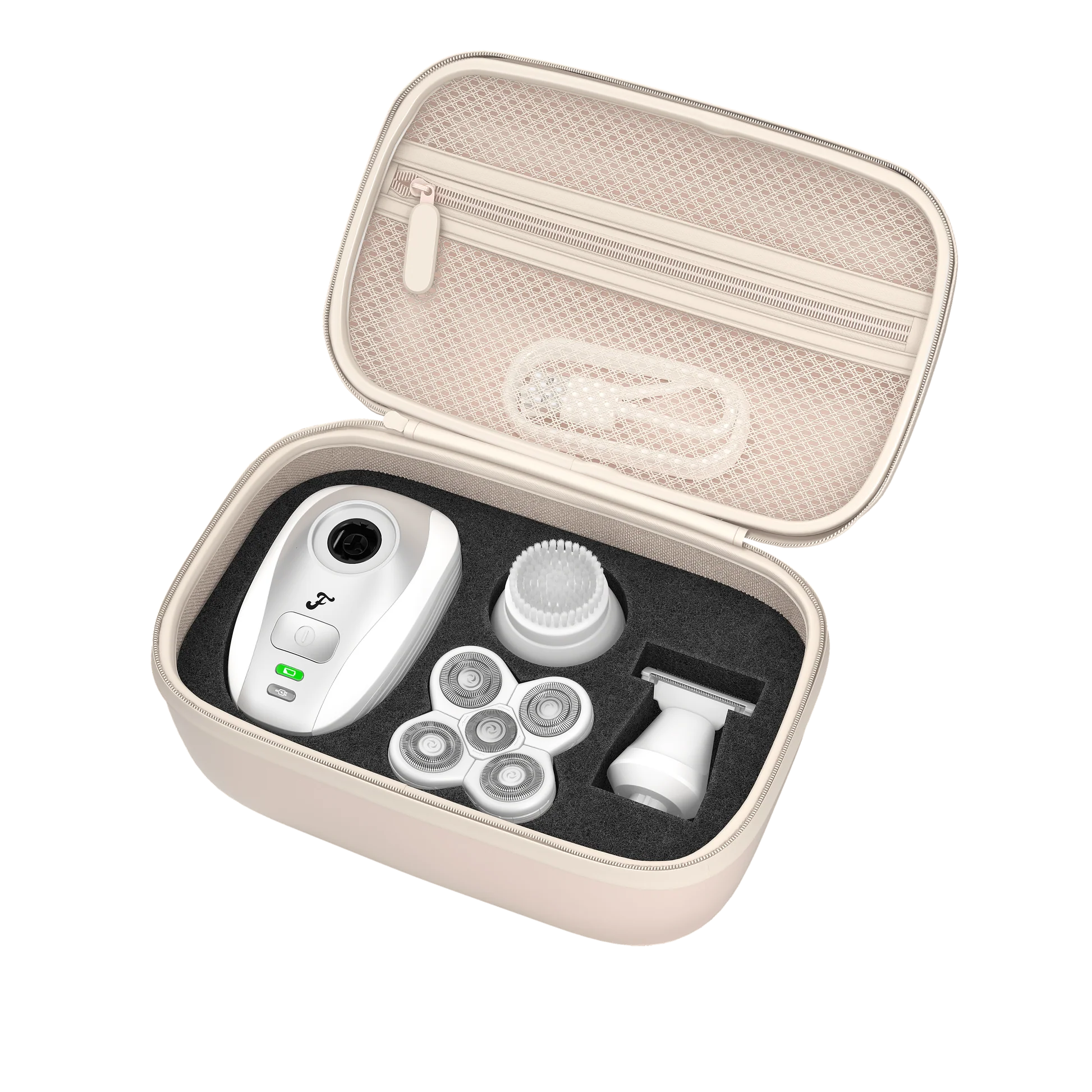
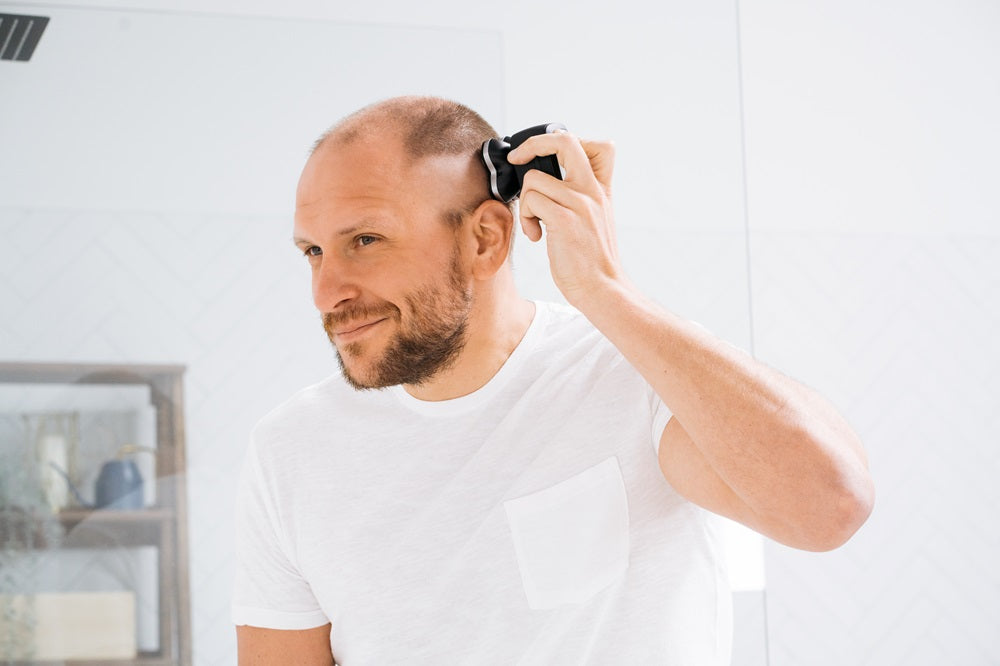
When I first got my Freebird FlexSeries, I was so excited to try it that I didn't think about prep. I just went straight at it. I thought my old dry shaving routine with my hair clippers would work, but I was wrong.
The FlexSeries cuts way closer than clippers. That's when I found out that I had sensitive areas in my neck. This was the first time I got a razor burn, and it was 100% my fault for skipping a pre-shave routine.
Don't be me. Do the prep.
Step 1: Trim Your Hair

Got hair longer than 1/8 inch? Don't shave immediately. You'll miss spots, pull hairs, clog your razor, and dull your blades.
Grab your trimmer and buzz your long hair first. Keeping your hair as short as possible makes for a smoother shave. The FlexSeries comes with a free precision clipper attachment you can use, as I do.
Pro-tip: If you're starting with a full head of hair, do this outside. It gets messy fast, and cleaning up bathroom hair is a nightmare. Trust me, finding hair in weird places weeks later or worse (clogging your drain) can lead to you sleeping on the couch for a while.
Step 2: Check Your Scalp First

Before you even start washing, run your hands over your entire scalp and feel for bumps, moles, scars, or irritated areas. Shaving over these spots causes cuts or makes irritation worse. If you've got active acne, eczema, or any open wounds, wait until they heal before shaving.
Take note of those spots. A mole you forgot about can turn into a bloody mess quickly.
Step 3: Wash With Warm Water

Wash your hair with warm water for at least 5 to 10 minutes to soften it and open your pores. Use a gentle cleanser to remove oil, dirt, and dead skin cells. This step alone will save you from half the irritation guys complain about.
Pro-Tip: Don't use body soap on your scalp. It strips away natural oils and dries out your skin worse than toast left in the sun. Use a gentle, sulfate-free scalp cleanser.
Step 4: Apply Pre-Shave Oil and Shaving Cream or Gel

Next, we apply pre-shave oil, shaving cream, or gel to our heads to create a protective layer. Spread it evenly across your head and cover all areas. After my first experience with razor burn, pre-shave prep has been a part of my shaving routine.
I use virgin coconut oil mixed with castor oil and lather with coconut soap before I shave, and I haven't had razor burn since.
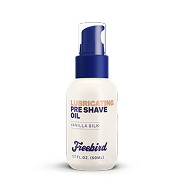
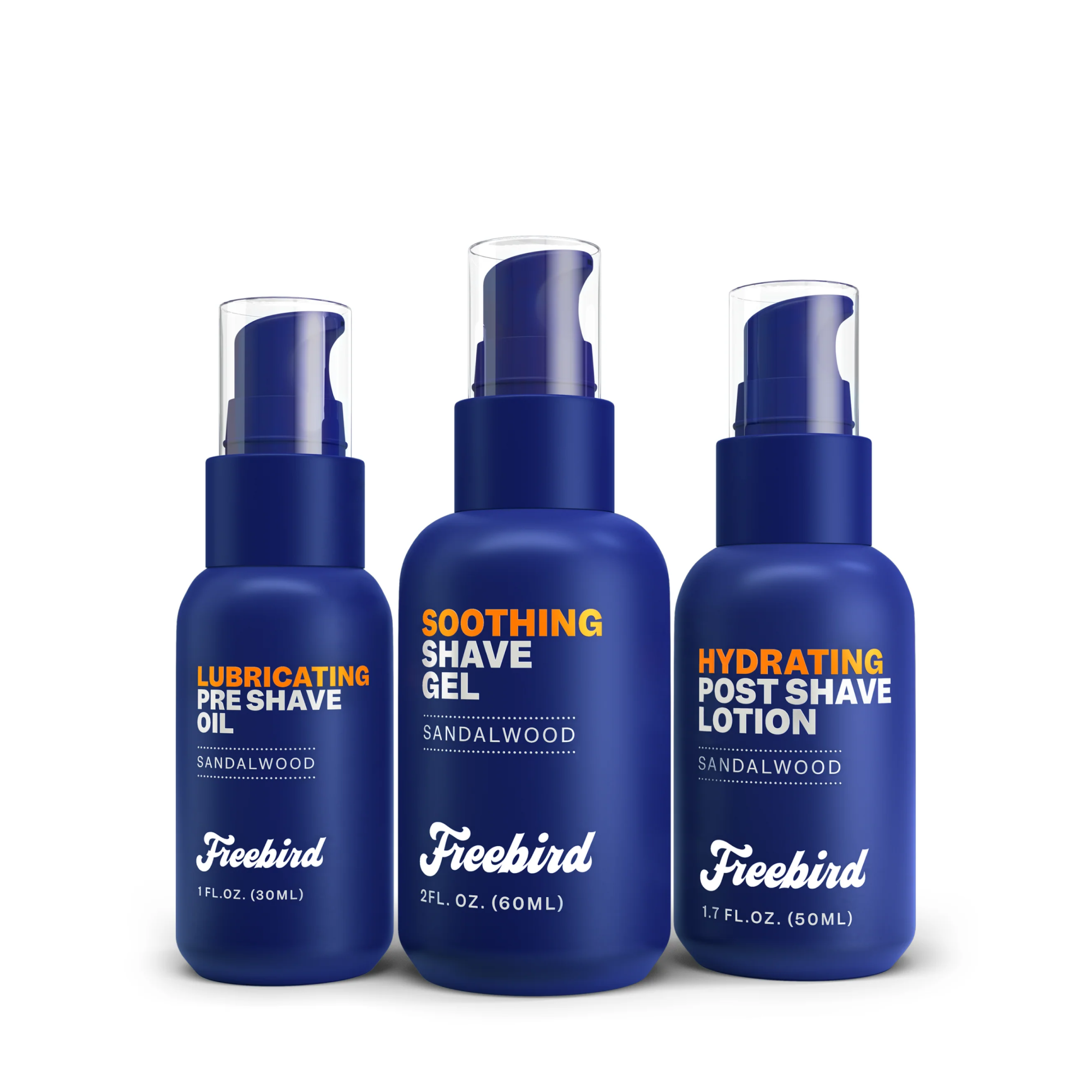
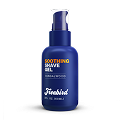
Freebird has a shaving gel designed for bald heads that you can try out, or better yet, you can try their shave care kit instead.
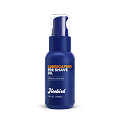
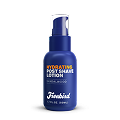
Freebird's shave care kit includes everything you need for your shave, like pre-shave oil, shave gel, and post-shave lotion. No guesswork or wondering if you bought the right products.

Pro tip: Freebird recommends applying a drop of their pre-shave oil to the blades before shaving. This creates extra glide and prevents the blades from dragging. Works like magic on the sensitive areas at the back of your neck.
Step 5: Start Shaving

Don't try to shave your entire head at once. Divide your head into sections: top, left side, right side, and back. This ensures you don't miss spots and helps you avoid nicks. When you rush through the whole thing, you're way more likely to leave stubble patches.
Use smooth, gentle strokes. Start from the center of your head and work your way down, following your hair growth direction. Use your free hand to keep skin taut. Skin folds are where most cuts happen, so keep everything tight while you shave.
After every pass, rinse your blades with warm water to remove hair clippings, excess shaving cream, or built-up shaving gel. No one wants to deal with clogged razors.
With the Grain vs. Against the Grain
Shaving against the grain (opposite of hair growth) gives you a closer shave, but it also increases your risk of razor burn, bumps, and irritation.
If you have sensitive skin like me, shave with the grain using gentle strokes. It's safer and way less likely to leave you looking like you lost a fight with a cheese grater.
Step 6: Check for Missed Spots
Run your hand along your smooth dome and check for missed spots. You won't get all the hair on the first pass. Make a second pass on missed areas until you get an even shave. Reapply shave gel if the one you applied has dried out.
The back of your head is invisible to you. A second handheld mirror helps here. Hold it up in front of your bathroom mirror to check the back and sides of your head.
Pro tip: Use your non-dominant hand to touch the back of your head while shaving. If you feel stubble, make another pass.
Step 7: Rinse and Pat Dry
Shower or clean the shaved area with cool or cold water to close your pores and remove excess hair, shaving gel, or cream. Towel dry once you're done.
Pat, don't rub. Rubbing freshly shaved skin is a no-no. You'll get irritated fast.
Step 8: Apply Aftershave Balm or Moisturizer

Your scalp went through a lot, so you need to treat it right!
Head shaving is harsh on our scalps, so we must apply moisturizer or aftershave lotion to soothe and hydrate our newly smooth domes. Wearing sunscreen should be part of your post-shave routine if you spend most of your time outdoors. Use SPF 30 or higher and reapply every 2 hours if you're outside. Sunburned scalps hurt, peel like crazy, and look terrible.
Want a matte finish instead of looking like a shiny bowling ball? Grab a moisturizer with a less shiny effect.
Aftercare for a Smooth and Healthy Scalp
Wear Hats

Hats are functional and stylish pieces you can add to your wardrobe. Summer hats provide consistent sun protection, while winter hats keep your bald head warm during the cold season.
Exfoliate Regularly

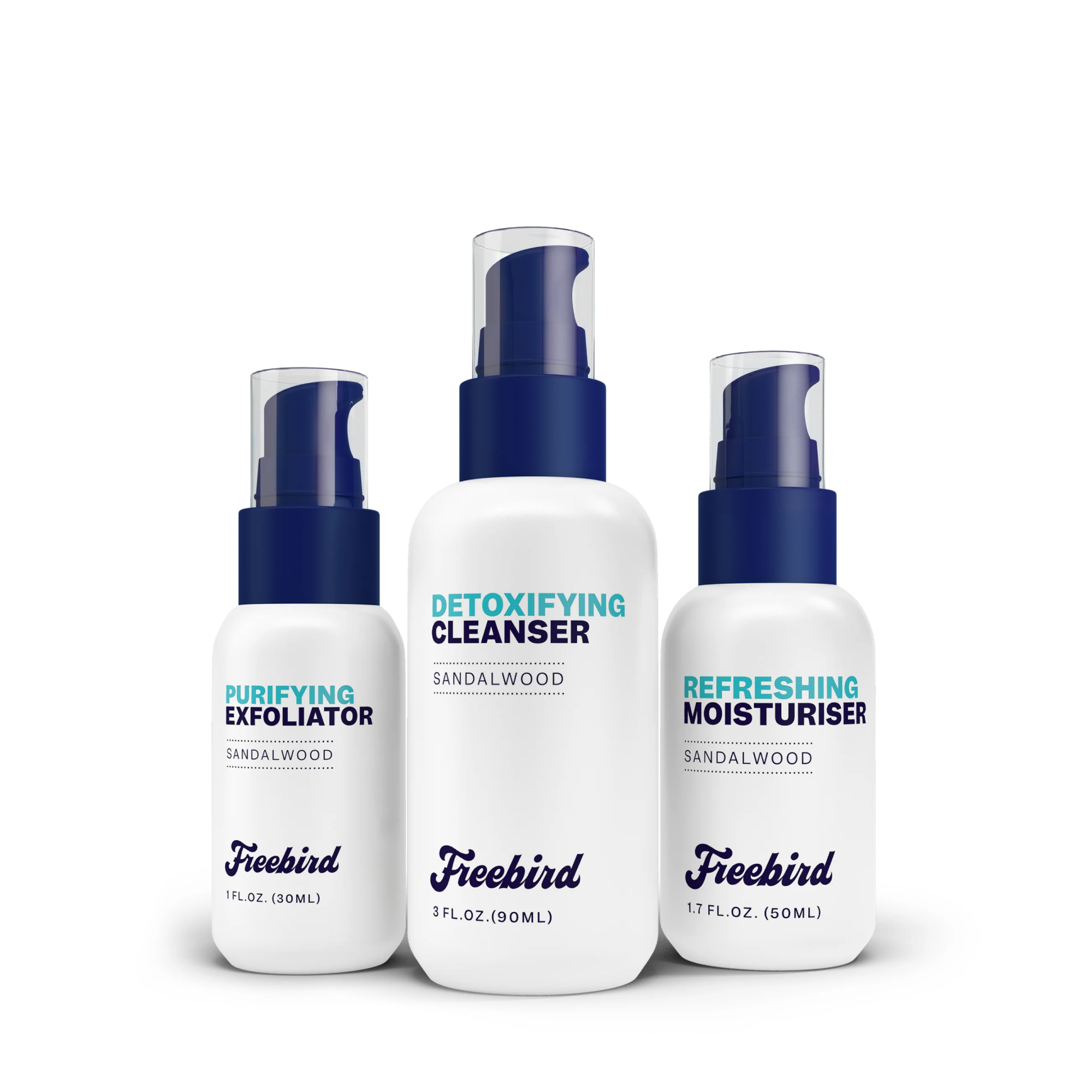
Using a scalp scrub once or twice a week helps keep your scalp healthy by removing dead skin and preventing buildup. Exfoliate the day before you shave, not right before. Exfoliating immediately before shaving leaves your skin too sensitive and causes more irritation.
Get Scalp Massages

A regular scalp massage boosts blood circulation to your scalp and helps you relax and feel good. Five minutes, a few times a week, makes a real difference.
Why not massage while applying moisturizer? Kill two birds with one stone.
Common Mistakes to Avoid While Shaving Your Head

Even veteran shavers screw these up. I still catch myself making some of these newbie mistakes when I'm rushing.
Shaving Too Fast
Yes, modern electric shavers can finish in 90 seconds. But rushing your first few shaves is asking for missed spots or irritation.
Take your time. Speed comes with practice.
Dry Shaving Sensitive Scalps
Dry shaves are quick and convenient when using electric shavers, but if your skin is not tough enough, you'll get irritated fast. Try it once and see how your skin reacts. If you wake up with nasty bumps, stick to wet shaving.
Using Dull Blades
Shaving with dull blades will result in uneven patches and irritation. Make sure you've got fresh blades every time you shave. Dull blades tug instead of cutting cleanly.
Replace blades or foils on your electric razor if your blades feel dull and you start feeling pulling and tugging. Replace manual razor blades every 3 to 5 shaves for best results.
Not Stretching the Skin
Loose skin creates folds where hair hides. Your free hand should always pull skin taut before you make a pass.
The Bottom Line
A clean, painless shave is really just about having a solid routine and not rushing through it. I learned the hard way that skipping the prep leads to nothing but razor burn and regrets.
Using tools like the FlexSeries makes the whole process way easier on your skin. Once you get the hang of it, you’ll be rocking that smooth look every day with zero issues.
If DIY is not your thing, you can let the pros handle your hairstyle.
FAQs
How Often Should I Shave My Head?
Shave every 2-3 days to keep your scalp smooth and clean. Some guys with fast-growing hair shave daily, while others can go 4-5 days between shaves. Find what works for your hair growth speed and how smooth you want to stay.
Do I Shave Before or After a Shower?
When using an electric shaver, you shave before if dry shaving. If you prefer a manual blade, shaving after is your best option.
How Long Does It Usually Take to Shave Your Head?
Dry shaving with an electric razor takes 2-5 minutes once you get the hang of it. Wet shaving with a manual razor takes 15-20 minutes because of all the prep and the slower, more careful process.
Should I Shave My Head with or Against the Grain?
Generally, shaving with the grain is the safer technique for sensitive scalps for reduced irritation and razor burn. Shaving against the grain provides a closer shave but increases the chance of irritation.
Is it Better to Shave Your Head Wet or Dry?
Wet shaving is better for most people because warm water softens hair and makes it easier to cut. Use shaving gel or cream for extra protection and glide. Dry shaving with an electric razor works if you're short on time, but it won't be quite as close and can irritate sensitive scalps.
How Short Should My Hair Be Before Shaving?
Trim down to at most 1/8 inch before shaving. Longer hair clogs the blade, makes shaving harder, and increases the chance of pulling and tugging. Use clippers first if you're starting with any significant length
Should I Use a Razor or an Electric Shaver to Shave My Head?
If safety, speed, and convenience are priorities, an electric shaver is the best choice. A manual razor is the best option if you want a closer shave, but with a higher risk of cuts.
How Can I Avoid Cuts While Shaving My Head?
Use a sharp blade (dull blades increase friction and cause nicks). Apply plenty of shaving cream or gel for lubrication. Shave with light pressure and let the razor do the work. Rinse your blade frequently to prevent buildup. Take your time and don't rush. Keep skin taut in areas with folds or loose skin. Use short strokes instead of long ones to maintain control.
Can I Shave My Head if I Have Sensitive Skin?
Yes, but take extra precautions. Use products designed for sensitive skin. Always shave with the grain first. Consider using an electric shaver, which causes less irritation than manual razors. Moisturize immediately after shaving to soothe any redness or irritation. Apply a pre-shave oil for an extra layer of protection.
Should I Exfoliate My Scalp Before Shaving?
Exfoliating before shaving can be beneficial as it removes dead skin cells and helps prevent ingrown hairs. To prepare your skin, use a gentle scalp scrub or exfoliating wash a day before your shave.
Can I Use Body Lotion on My Shaved Head?
You can, but using products designed for bald heads would be better.
How Do I Protect My Head from the Sun?
Use sunscreen with at least SPF 30 every single day you'll be outside. Wear a wide-brimmed hat when possible. Avoid peak sun hours (10 AM to 4 PM) if you can. Reapply sunscreen every 2 hours, especially if you're sweating or swimming. Sun damage on your scalp is no joke.
Is it Okay to Shave My Head Every Day?
Daily shaving works fine if your hair grows fast and your scalp can handle it. Some guys do it with no issues. But daily shaving can irritate sensitive skin and dry out your scalp. If you notice redness, bumps, or discomfort, space out your shaves to every other day or every 2-3 days to give your scalp time to recover.