










Mature Hairline vs Receding: How to Tell the Difference
January 07, 2026 • 11 min read
Medical Disclaimer: Freebird provides general information, not medical advice. For any health or medical advice, consult a licensed healthcare professional
Notice your hairline is higher than it used to be? Your stomach drops. "Am I going bald, or is this just aging?"
I've been there.
Here's the truth: Up to 95% of guys will experience their hairline maturing at some point. Most of the time, it's simply a normal part of the aging process. It's called a mature hairline, and it's your body doing what it's supposed to do.
On the freakier side, it could be the start of something else, like androgenetic alopecia.
After years of researching the science behind receding hairlines and male pattern baldness, I've learned exactly how to distinguish between them.
This guide breaks down everything you need to know: What makes a mature hairline different from a receding one, how to check yourself at home, and what to do if you're actually losing hair. No medical jargon. Just straight answers.
What is a Mature Hairline?

A mature hairline is your juvenile hairline growing up. Between ages 17 and 30, your hairline shifts from that low, rounded teenage look to a slightly higher adult position. Think of it as your hairline finding its permanent spot.
This happens to almost everyone. Your hairline moves back about 1 to 2 centimeters (roughly half an inch to an inch) from where it sat during your teens. The change creates a gentle V-shaped hairline or subtle M-shape at the temples.
Your body's hormones trigger this shift. As testosterone and other androgens increase during late teens and early twenties, they signal your hairline to adjust. This is biology, not balding.
The key? A mature hairline stops. Once it settles into place (usually by your late 20s), it stays there. No progression. No thinning. Just your new normal.
I remember a buddy in his 20s panicking over his “receding” edges. We compared old pics. Just maturation. He laughed it off, switched to a fade cut. Made him look sharper.
What is a Receding Hairline?

A receding hairline doesn't stop. Hair loss keeps moving backward, usually starting at the temples and creating a deeper, more pronounced M-shape. This is male pattern baldness (androgenetic alopecia), and it affects about 85% of men by age 50.
Here's what's happening underneath: DHT (dihydrotestosterone) attaches to hair follicles at your temples and crown. Your healthy follicles shrink. Hair gets thinner, shorter, lighter in color. Eventually, those follicles stop producing hair altogether.
I remember a friend posted his timeline pics. Started subtle at 25, M-deep by 28. He wished he’d acted sooner. Stress from work didn’t help, it spikes cortisol, worsening shed. Chronic stress or certain medical conditions (like thyroid disorders) can contribute to a receding hairline.
If your dad or grandfather went bald, there's a good chance you inherited the same sensitivity to DHT. Genetics is the biggest factor here. You can't control it, but you can slow it down.
Key Differences: Mature Hairline vs Receding Hairline

Let’s break this down so you can tell what’s happening between a mature hairline vs receding hairline:
|
|
Mature Hairline |
Receding Hairline |
|---|---|---|
|
Age When It Starts |
Usually 17 to 30 years old, natural aging process |
Can start as early as late teens, but often 20s to 30s |
|
Amount of Recession |
Half inch to one inch |
Keeps going, several centimeters or more |
|
Pattern |
Even, symmetrical across the frontal hairline. Gentle V or shallow M shaped hairline due to natural aging |
Uneven hairline, temples recede more. Deep M-shape forms, often due to male pattern hair loss |
|
Speed |
Gradual hairline recession over the years, then stops |
Progressive thinning and significant hair loss, noticeable thinning in months |
|
Hair Density |
Stays the same; existing hair remains stable |
Visible thinning, especially at temples and crown |
|
Shedding |
Normal (50 to 100 hairs daily) |
Excessive (more than 100 hairs daily) |
|
Other Symptoms |
None |
Thinning hair at the crown, bald spots developing, usually means you're balding |
The biggest tell? A mature hairline stays put once it reaches its final position, with existing hair remaining stable. A receding hairline keeps marching back, often with progressive thinning and significant hair loss.
If your hairline settled into place and stayed there, you're fine. If it's still moving, that's when you need to pay attention.
The Forehead Wrinkle Test

Want to know if your hairline is maturing or receding? Try this simple self-check to assess your hairline's position and spot first clues of hair loss:
First, stand in front of a mirror and raise your eyebrows as high as you can to create wrinkles on your forehead. Look at the very top wrinkle. A mature hairline usually sits about a finger-width (roughly 1 to 2 cm) above that top wrinkle. If your hair has retreated much further than that, or if the skin between your hair and the wrinkles looks smooth and shiny, you’re likely looking at a receding hairline.
This isn’t perfect science, but it gives you a quick baseline to help identify early warning signs of pattern hair loss. If the gap keeps growing when you check again in 6 months, that's progression.
How to Tell If Your Hairline is Receding

Here are the red flags that your hairline is going on a permanent vacation:
1. The M-Shape is Deep
A mature hairline might have a slight M at the temples, forming at the frontal hairline. A receding hairline has a pronounced, aggressive M where the temples are way back compared to the center. Don't confuse with a natural widow's peak which stays stable.
2. One Side is Worse Than the Other
Mature hairlines recede evenly. If your left temple is way more receded than your right (or vice versa), that's asymmetrical recession pointing to male pattern baldness.
3. You're Seeing More Scalp
Hold your phone above your head and take a photo of your crown. Do this every few months. If you notice a more visible scalp in each photo, you’re thinning.
4. Hair is Getting Thinner
Run your fingers through your hairline. Do you notice hair thinning compared to before? Are the individual hairs finer? That’s miniaturization from DHT. Progressive thinning is a sign of ongoing hair loss, where hair density gradually decreases, often leading to a receding hairline.
5. There's Excessive Shedding
Finding clumps of hair on your pillow? Lots of hair in the shower drain? More than 100 hairs falling out daily means something's up.
6. You Compare Old Photos and Notice
Pull up photos from 2-3 years ago and compare your current hairline to your natural hairline in those old photos. Put them next to recent selfies. Is your hairline noticeably higher? Has the shape changed dramatically?
7. It's in Your Genes
Look at your dad, uncles, and grandfathers. If they went bald, you probably inherited the genes (androgenetic alopecia). Family history is the strongest predictor.
8. You're Advancing in the Norwood Scale
The Norwood Scale shows seven stages of male pattern baldness. Stage 1 is no hair loss. Stage 2 is slight temple recession (that's mature hairline territory). If you're at Stage 3 or higher (deeper temple recession, visible balding patterns), you're receding, not maturing.
When to Worry vs When to Relax
Don’t worry if:
-
You’re between 17-30, and your hairline moved back gradually
-
The recession is even across your forehead
-
Your hair density and thickness are the same
-
It stopped moving after reaching about an inch higher
-
No one in your family is bald
-
You’re not seeing excessive hair fall
Start paying attention if:
-
Your hairline keeps receding past the initial shift
-
You notice thinning at the temples or crown
-
The M-shape is getting more pronounced
-
You’re losing more hair than normal
-
Male pattern baldness runs in your family
-
You’re in your late teens or early 20s with rapid change
-
You notice red flags like increased shedding, changes in hair texture, or a widening part
See a doctor if:
-
Rapid hair loss over a few months
-
Bald patches appearing
-
Hair falling out in clumps
-
Scalp irritation, redness, or pain
-
Sudden changes with no family history
-
See a specialist for expert advice and effective treatment options
Listen to your gut. If you think something’s off, get it checked. Early intervention and early treatment work way better than waiting until you're hair follicles die and you’ve lost half your hair.
What to Do If You Have a Mature Hairline

Good news: you don’t need to do anything. A mature hairline is part of the normal aging process, and the main goal should be maintaining your existing hair. It’s not going to keep receding (unless you also have male pattern baldness developing later).
But if you’re self-conscious about it, here are your options:
1. Style It Right
Certain haircuts can help conceal or highlight the natural hairline. Buzz cuts, fades, and shorter styles minimize the contrast between your hairline and the rest of your head. Ask your barber for hair thinning style recommendations. I buzzed for a decade until I progressed into the late stages in the Norwood Scale and chose to shave to hide my horseshoe pattern.
2. Own It
Plenty of guys look great with a mature hairline. Jude Law, Chris Hemsworth, or Ryan Reynolds all have mature hairlines, and nobody's calling them unattractive.
3. Consider a Hair Transplant
If your mature hairline really bothers you, consider consulting a hair restoration specialist. They can assess your situation and determine if hair transplantation is a suitable option to address further hair loss. Invasive, painful and expensive solutions are not for me, buzzing is cheaper and safer.
What to Do If Your Hairline is Receding
1. Try FDA-Approved Meds That Work

Minoxidil (Rogaine) and finasteride (Propecia) are the gold standards. They’re proven to slow hair loss and even stimulate hair growth. Some guys even combine both for hair loss.
You just rub topical minoxidil to your scalp twice daily. It helps get the blood moving to your follicles and about half the guys who try it see visible improvement after six months.
Finasteride is a prescription medication pill that blocks DHT production. It stops about 90% of hair loss in most men.
Both require lifetime use. Stop taking them, and any regrown hair falls out within months. Did I mention the side effects? Not worth the risk for me.
2. Fix Your Daily Habits

Healthy habits and a balanced diet support hair health:
-
Eat more protein (hair is mostly protein) I started eating more eggs and Greek yogurt
-
Take biotin, zinc, and iron supplements
-
Manage stress (chronic stress accelerates hair loss)
-
Get 7-8 hours of sleep
-
Exercise regularly (improves blood flow to your scalp)
-
Don't smoke (it restricts blood flow)
-
Avoid tight hairstyles and hats (traction alopecia is real)
These won't reverse male pattern baldness on their own, but they create better conditions for treatments to work.
3. Try Low-Level Laser Therapy (LLLT)
Laser caps and combs emit red light that stimulates hair follicles. Some studies show they increase hair density when combined with minoxidil or finasteride. Results vary.
4. Consider PRP (Platelet-Rich Plasma) Therapy
Your blood is drawn, spun in a centrifuge to concentrate growth factors, then injected into your scalp. It may boost hair growth, but it's expensive ($1,500-$3,000 for 3-4 sessions), and results aren't guaranteed.
5. Get a Hair Transplant

If you’ve got significant hair loss or recession but still have donor hair at the back and sides of your head, a hair transplant can restore your hairline permanently. Go talk to a hair transplant doc to see if you are a good candidate for this procedure. FUE (Follicular Unit Extraction) is the latest hair transplant method with minimal scarring.
Expect to pay $8,000-$15,000 for a hair transplant. Recovery takes about a week, but full results take 12-18 months.
6. Embrace the Bald Look (Shave it All Off)

If you're receding and treatments aren't working, shaving your head is a power move. Every baldie yearns for a healthy hairline, but pattern hair loss is unbeatable.
Shaving your head is the best solution for a receding hairline.
I made this choice years ago. Best decision I ever made. No more checking mirrors. No more worrying about significant thinning, wind, or bad lighting. Just confidence.
Guys like Dwayne Johnson, Jason Statham, and Vin Diesel prove that bald can look badass. Women find bald men attractive, confident, and masculine. Studies back this up.
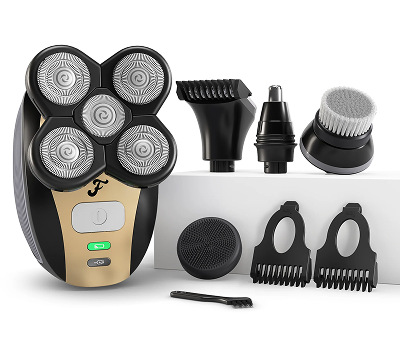
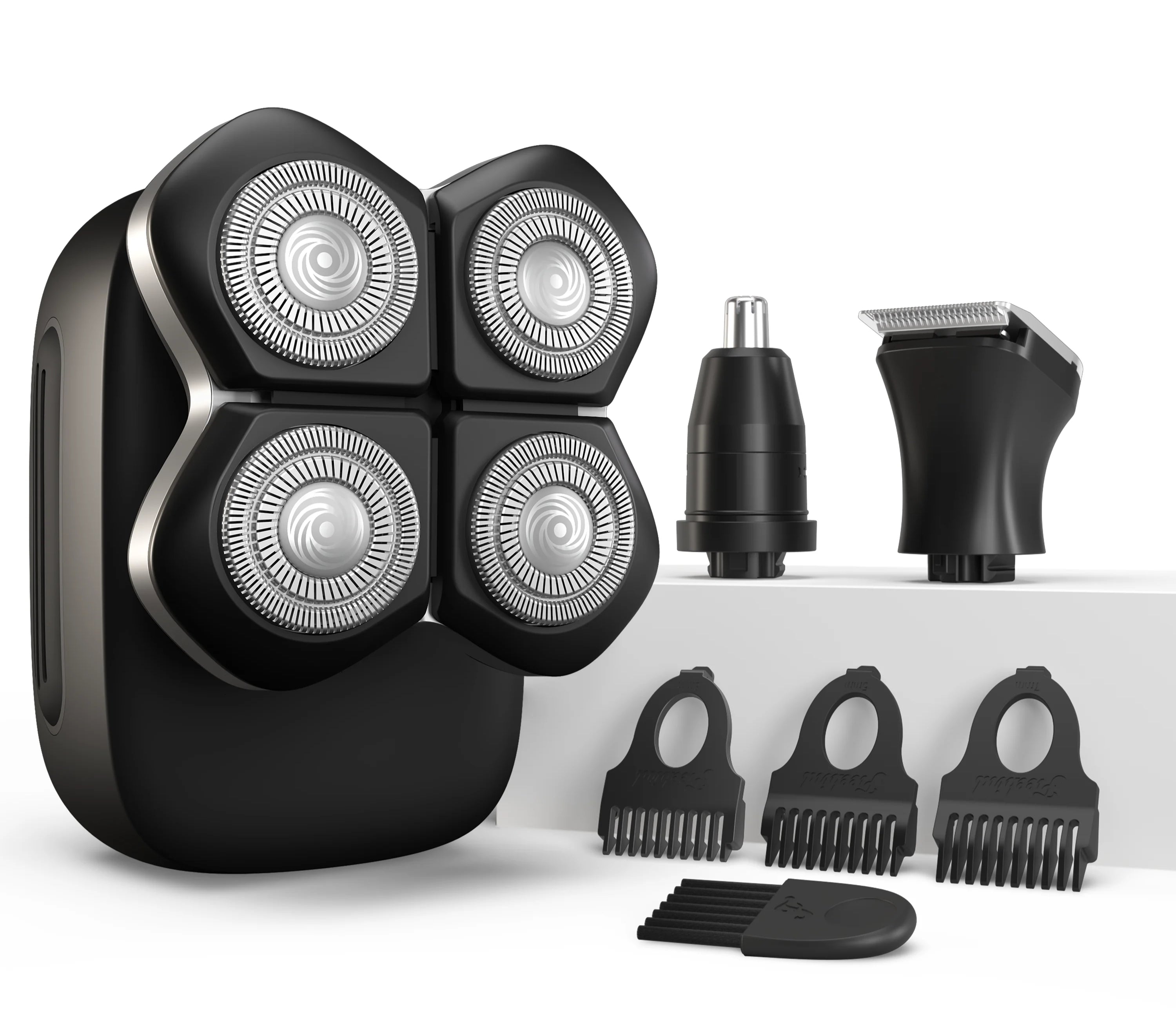
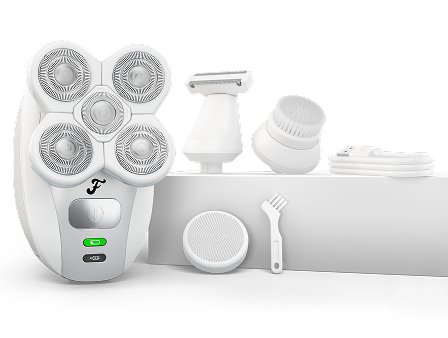
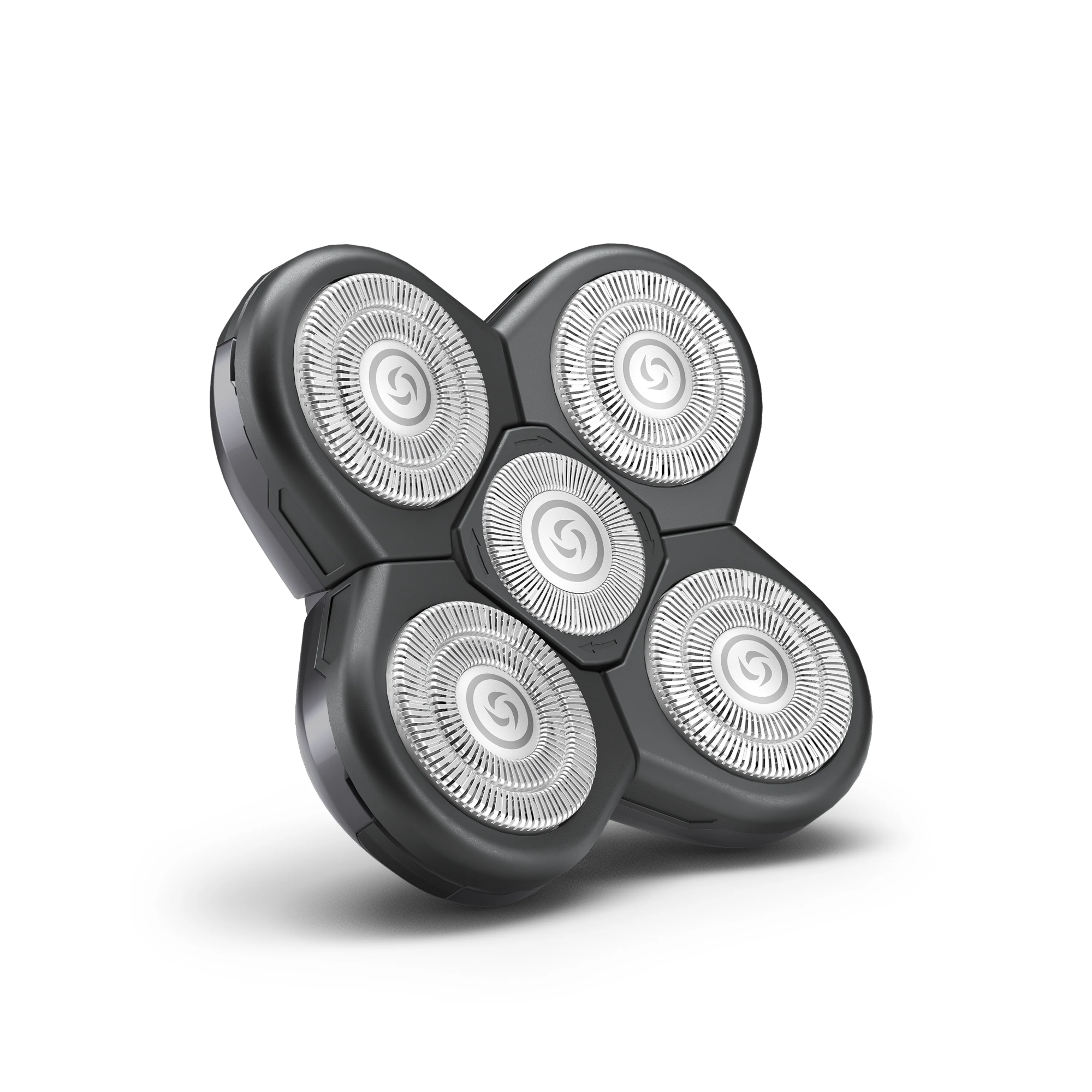
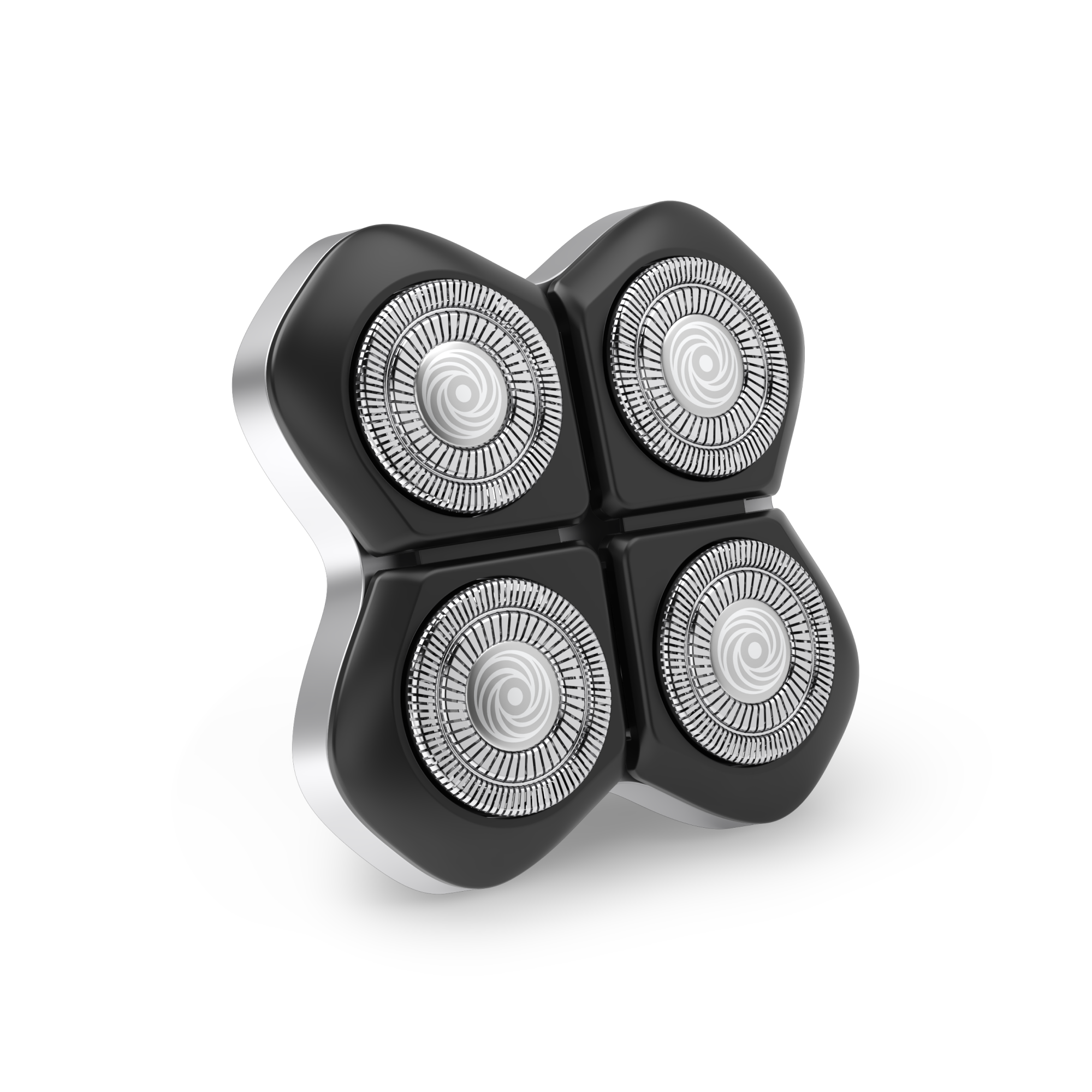
If you're ready to shave, invest in a good electric head shaver and stay away from cheap ones. I use Freebird's FlexSeries and it makes the whole process quick and easy. It's designed specifically for head shaving and comes with:
-
Powerful 8500 RPM motor
-
IPX6 waterproofing (wet or dry shaving)
-
90-minute battery life
-
Lifetime warranty (with blade subscription)
-
Plus precision clipper, nose and ear trimmer, guards, exfoliation brush, and scalp scrubber (all worth $60)
Get yours for $39.95 and own the bald look.
The Bottom Line
If your hairline moved back and stopped, that's maturation. If it keeps going, that's recession.
That's it. That's the whole difference.
Check yourself with the wrinkle test. Pull up photos from a few years ago. Look for the warning signs: uneven temples, thinning, excessive shedding.
Just maturing? Relax.
Actually receding? Start treatment early. The sooner you act, the more hair you keep.
Tired of fighting it? Shave it off. I did. Best decision I made. Women dig confidence more than hair anyway.
Your hairline doesn't define you. Whether you've got a full head or a smooth dome, own it.

FAQs
Can a Mature Hairline Turn Into a Receding Hairline?
Yes, it can. A mature hairline happening in your late teens or twenties doesn't protect you from developing male pattern baldness later. If you have the genetic predisposition, you could experience normal hairline maturation first, then start receding in your 30s or 40s.
At What Age Does a Mature Hairline Develop?
Most guys notice their mature hairline developing between ages 17 and 30, with the process typically complete by the late 20s. Some guys start seeing changes as early as 17, while others don't notice anything until their mid-20s.
How Far Back is a Mature Hairline?
A mature hairline sits about 1 to 2 centimeters (half an inch to one inch) higher than your juvenile hairline. Using the forehead wrinkle test, it's usually no more than one finger's width above the highest crease when you raise your eyebrows.
Is an M-Shaped Hairline Mature or Receding?
It can be either. A shallow, symmetrical M-shape with minimal temple recession is typical of a mature hairline. A deep, pronounced M-shape with significant temple recession and thinning indicates a receding hairline from male pattern baldness.
Can You Stop a Receding Hairline?
You can slow it down and sometimes reverse early stages with FDA-approved treatments like minoxidil and finasteride. These medications work for about 85-90% of men when started early. Without treatment, a receding hairline will continue to progress.
What's the Difference Between a Widow's Peak and a Receding Hairline?
A widow's peak is a V-shaped point in the center of your hairline that you're born with or develops as your hairline matures. A receding hairline is progressive hair loss that creates deeper recession at the temples while the center may or may not recede as much.
Can Stress Cause a Receding Hairline?
Severe stress usually causes temporary thinning, not a permanent receding hairline. While it can make genetic hair loss happen faster, it won't cause male pattern baldness on its own. Most stress-related shedding fixes itself once you calm down.
How Fast Does a Receding Hairline Progress?
Some guys see noticeable recession within months, while others experience gradual changes over years or decades. Genetics determines your progression rate. If your dad went bald quickly, you might too. Track your hairline with photos every 6 months.
Can You Have a Mature Hairline at 17?
Yes. Hairline maturation can start as early as 17 when testosterone levels increase after puberty. If you notice gradual, even recession that stops after moving back about an inch, and your hair density stays the same, it's likely normal maturation, not balding.