



How to Treat an Oily Scalp: Stop the Shine
December 22, 2025 • 10 min read
Medical Disclaimer: Freebird provides general information, not medical advice. For any health or medical advice, consult a licensed healthcare professional.
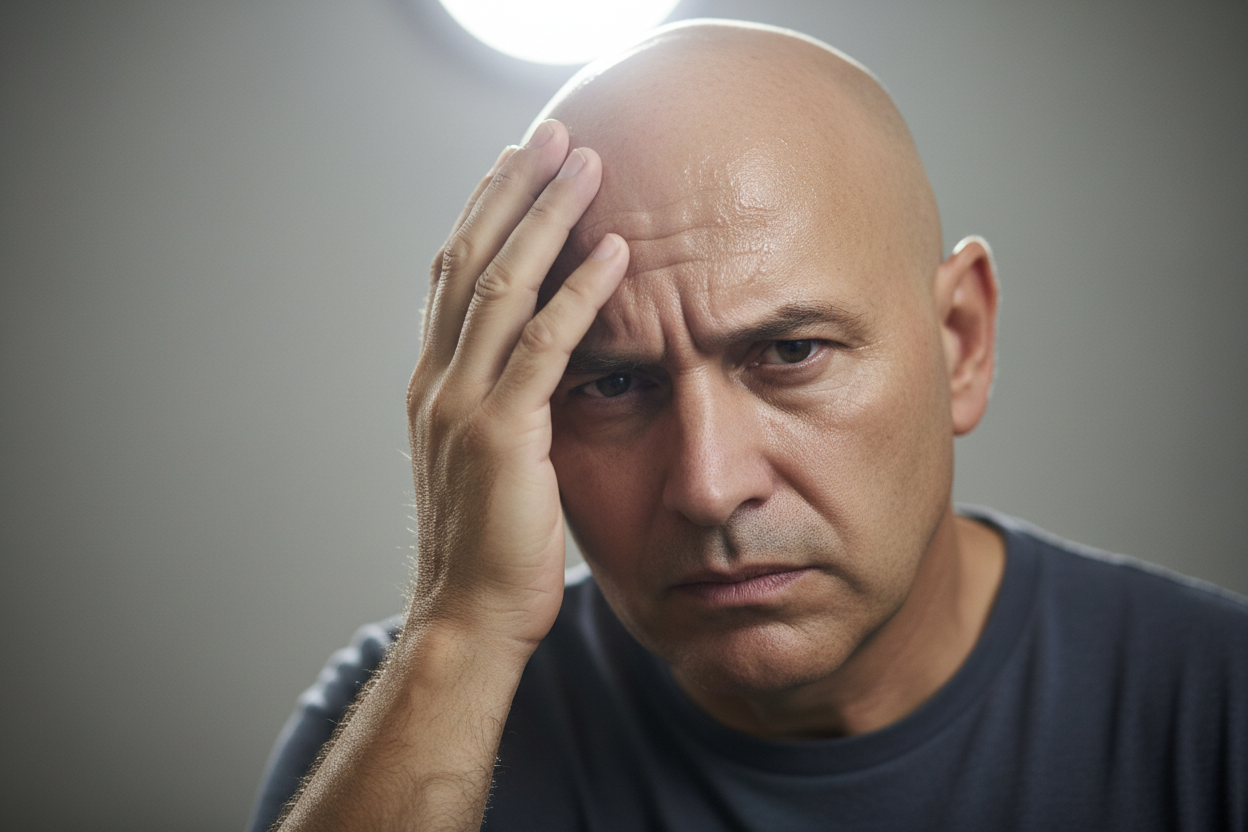
You shaved your head, but after a few hours, you catch your reflection and notice your scalp reflects more light than a bowling ball.
Here's the thing: nobody tells you that when you go bald, oil becomes your worst enemy. Back when you had hair, it absorbed the grease. Now? It's an oily slick that not everyone wants.
I've dealt with this for years. I tried everything, and most of the time, it made things worse. Through trial and error and lots of research, I figured out what actually works.
I now feel confident without the greasy appearance.
Let's get to it.
What is an Oily Scalp? Understanding Sebum Production

Your scalp has thousands of tiny sebaceous glands that pump out an oily substance called sebum. This oil isn't the enemy. Everyone's scalp naturally produces this oil to protect and hydrate the skin.
The problem? Sometimes these glands go into overdrive.
An oily scalp happens when overactive sebaceous glands produce excess sebum. Your head starts looking like you rubbed it with olive oil. Touch it, and your fingers come away shiny. If you wear a hat, you'll see grease stains inside the band.
If you don't wash regularly, your scalp can also start to smell. That unpleasant odor? It's bacteria feeding on the excess oil.
That's an oily scalp.
Oily Scalp on Bald Heads: The Unique Challenge

For bald guys, this problem hits differently. Yes, we no longer have oily hair or greasy hair issues, but since there's no hair to soak up the excess, our scalps shine brightly like a diamond. People with thin or fine hair face the same issue because there's less surface area for the oil to spread across. The oil just pools on the surface, making your dome look like a disco ball.
Here's the kicker that makes this worse for us: DHT.
Remember DHT? That's the hormone that caused your hair loss in the first place. Turns out, DHT doesn't just kill hair follicles. It also makes your oil glands more active.
So not only did DHT take your hair, but it's also making your scalp produce more oil. And now you have no hair to absorb it.
Double whammy.
What Causes an Oily Scalp?

Hormones
Hormones play a role in scalp oil production. Testosterone levels, thyroid issues, and stress hormones can lead to an oily scalp. Puberty, pregnancy, and menopause can all increase sebum production, too.
Over washing Scalps
This one catches everyone, me included. Your scalp feels oily, so you wash it more. Makes sense, right? Nope.
When you wash too much, you strip away all your natural oils. Your scalp panics and thinks, "We're drying out!" So it produces MORE oil to compensate.
On the flip side, not washing regularly leads to the buildup of dead skin cells and dirt. This clogs your pores and makes the oiliness worse.
I did this for months before I figured it out.
Product Buildup
Baldies use sunscreen, moisturizers, shave gel, aftershaves, you name it. They pile up on your scalp and mix with sebum to create a greasy mess. If you're not cleansing properly, all that gunk just sits there.
Diet
Notice your scalp gets oilier after pizza night? That's not a coincidence.
Who doesn't love fast food, sweets, and dairy? The bad news, they all affect scalp oil production. A diet high in processed foods, sugar, and unhealthy fats can make your oily scalp worse.
And here's more bad news: excess oil can clog your hair follicles. This buildup of dirt and dead skin can actually prevent new hair growth. If you're already dealing with hair loss, an oily scalp isn't doing you any favors.
Read our article on scalp vitamins, which can help you plan the right diet. Maintaining a balanced diet and staying hydrated benefits your scalp health big time.
Stress
Stress triggers cortisol, which can make your sebaceous glands produce more oil. If you're anxious or stressed, your scalp might be showing it.
Weather
Heat and humidity make your glands work overtime. Summer means sweatier, oilier scalps. That's why your head looks greasier in July than in January.
But winter isn't innocent either. Dry air can trigger your scalp to produce more oil to compensate for moisture loss.
The Oily Scalp and Dry Skin Paradox
Here's something that confuses people: you can have an oily scalp and dry, flaky skin at the same time.
How?
Your scalp is overproducing oil on the surface, but the skin underneath is dehydrated. The oil is your body's attempt to fix the dryness, but it's not actually hydrating the skin cells.
Think of it like putting cooking oil on dry toast. The toast is still dry underneath.
This is why moisturizing seems backwards but actually helps. When you properly hydrate your skin, your sebaceous glands calm down because they're not trying to compensate for dryness.
Left untreated, an oily scalp can lead to bigger problems. Excess sebum creates the perfect environment for conditions like dandruff and seborrheic dermatitis. You might notice itching, larger, greasy flakes (different from the small white flakes of dry scalp), and inflammation.
That excess oil can also clog your pores, leading to acne on your scalp or forehead. Skin conditions like eczema and psoriasis can worsen when your scalp is too oily. And stress? It can trigger seborrheic dermatitis flare-ups, making everything worse.
How to Treat Oily Scalp

Dealing with too much grease? Here are quick fixes and long-term solutions you can apply:
Immediate Fixes
-
Oil Blotting Sheets: When shine appears, press a sheet against your scalp. Oil blotting sheets absorb surface oil without messing up your skin's natural balance.
-
Mattifying Powder: A light dusting of oil-absorbing powder can kill shine fast. Don't use talc, it can clog pores and make your scalp oily.
-
Dry Shampoo: Dry shampoo can absorb oil and refresh your scalp between washes. Don't overdo it, though; it creates buildup that makes your scalp oilier. Once or twice a week max.
Long-Term Solutions
Use the Right Cleanser
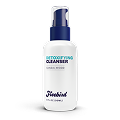
To manage an oily scalp, use clarifying cleansers with ingredients that actually work.
Look for:
-
Salicylic acid (BHA): Unclogs pores and removes dirt, sebum, and dead skin cells. It cuts through oil like nothing else.
-
Glycolic acid (AHA): Exfoliates gently and regulates oil
-
Tea tree oil: Controls bacterial and fungal buildups that can lead to acne or flare-ups of scalp conditions. Natural antiseptic.
-
Niacinamide: Regulates oil production at the source
Using a clarifying cleanser helps remove excess sebum, pollution, product buildup, and even heavy metals from your scalp. Just don't use it every single day. A couple of times a week is plenty.
Skip hair products with sulfates. They strip your scalp too aggressively. And avoid harsh products that irritate your scalp and trigger even more oil production.
Wash Your Scalp
Most bald guys should start washing their hair once daily, maximum twice if they're really active. Use lukewarm or cool water, not hot. Hot water triggers more oil production.
Regular shampoos aren't made for bald scalps. They're formulated for hair, not skin. The pH is off, and they can dry you out.
Exfoliate Regularly
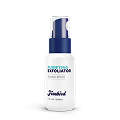
Dead skin cells and sebum team up to clog your pores. Exfoliating 1-2 times per week clears this buildup.
Use a gentle chemical exfoliant (like a product with salicylic acid) or a very gentle scrub. Don't scrub too hard. Your scalp is sensitive.
Moisturize
I know what you're thinking. Why would you add moisture if your scalp is oily?
Because dehydrated skin produces more oil.
Use a lightweight, oil-free moisturizer.
Look for these ingredients:
-
Hyaluronic acid: Hydrates without adding oil.
-
Aloe vera: Calms your scalp and adds moisture without leaving any greasy residue behind. It’s a great choice if your head tends to get oily or feels irritated.
-
Zinc: Controls oil and reduces inflammation.
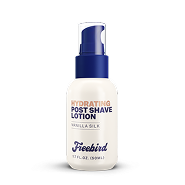
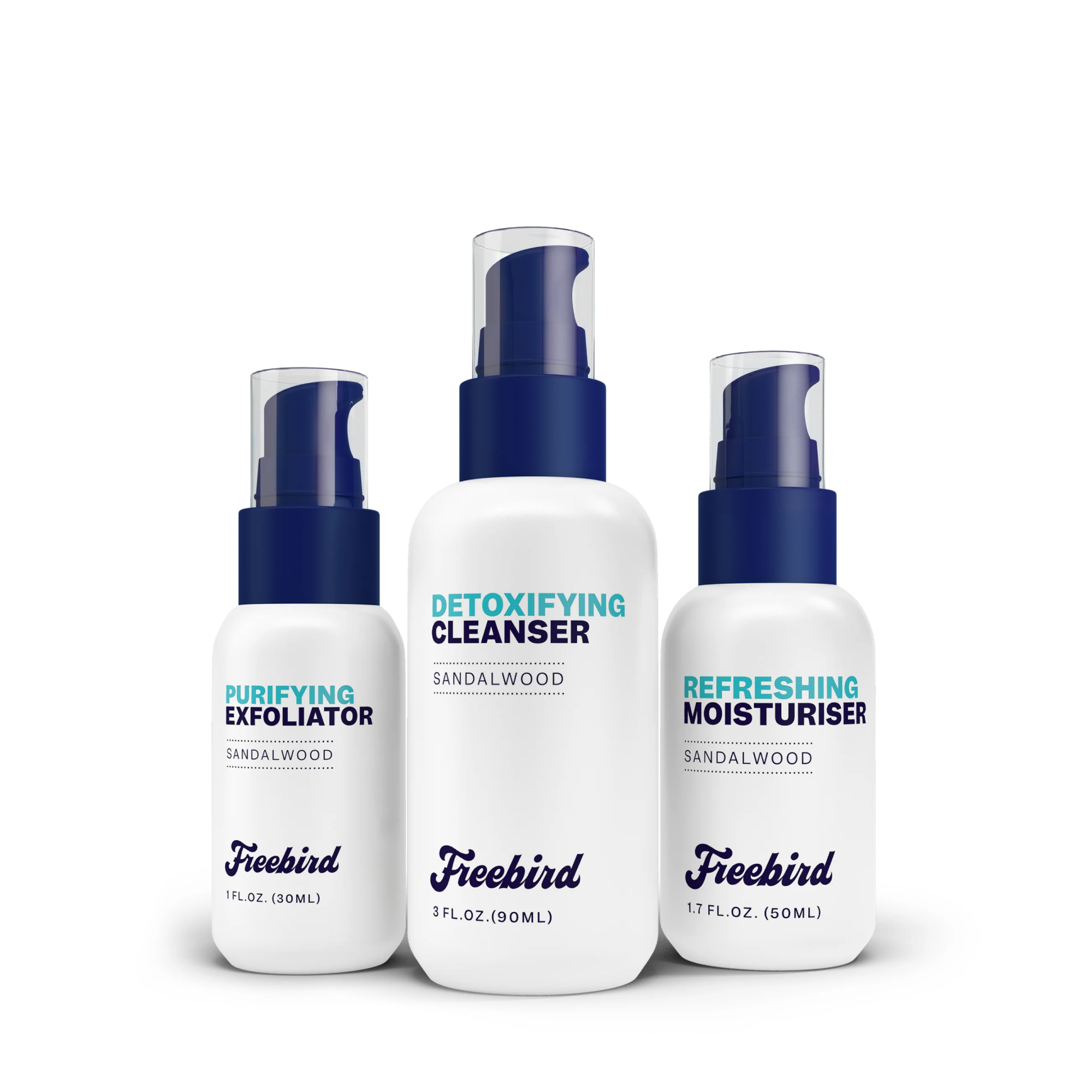
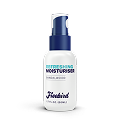
We recommend Freebird's Refreshing Scalp Moisturizer for this. It hydrates without leaving any greasy residue. Your skin gets the moisture it needs, so it stops overcompensating with oil. Now that we're bald, moisturizing should be a part of our haircare routine.
Use Sun Protection
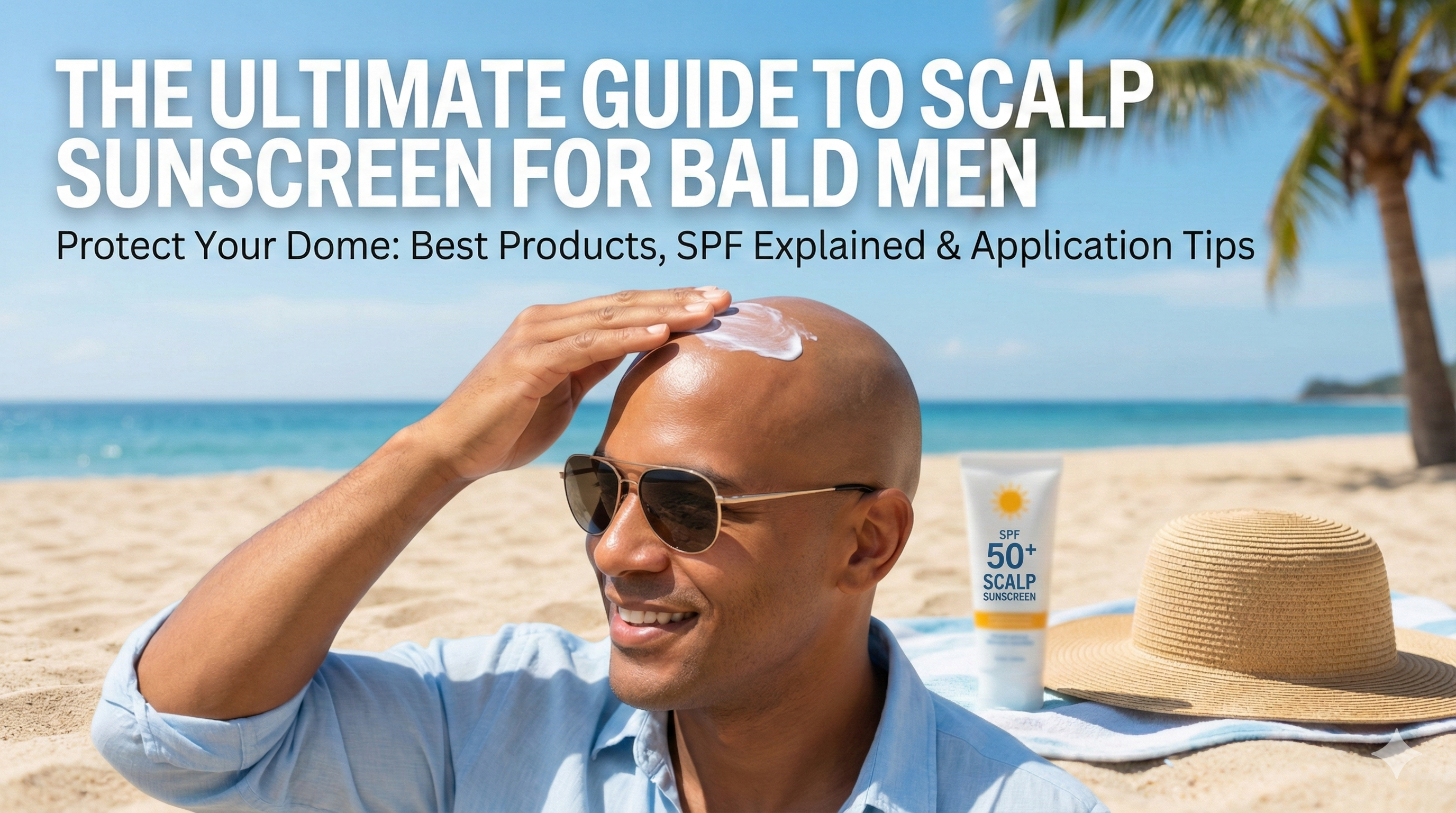
Sun exposure dries your scalp, triggering more oil production. You need sunscreen for bald heads. But choose non-comedogenic formulas that won't clog your pores or add to the grease.
Regular sunscreens are too heavy for scalps. They'll make you look oilier. Get something lightweight designed for facial or scalp use.
Shave Clean

If you're maintaining your shaved look with regular shaving, make sure you're doing it right. Irritation from shaving can trigger oil overproduction.
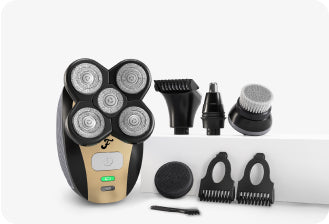
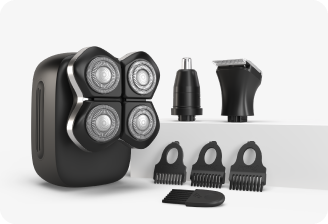
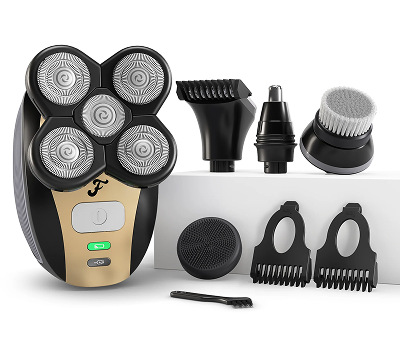
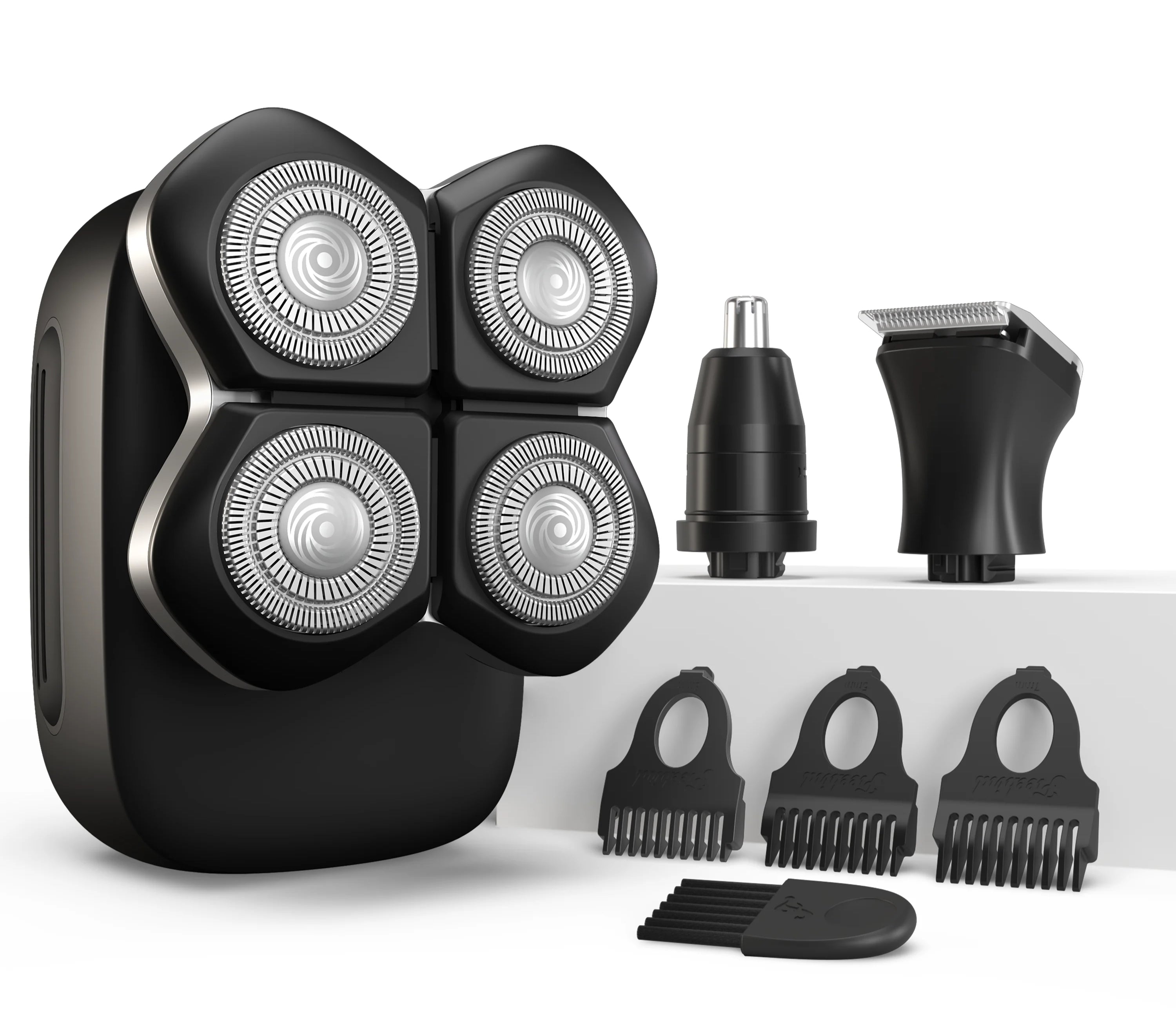
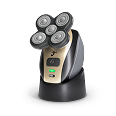
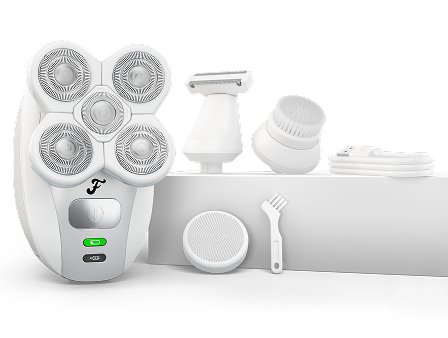
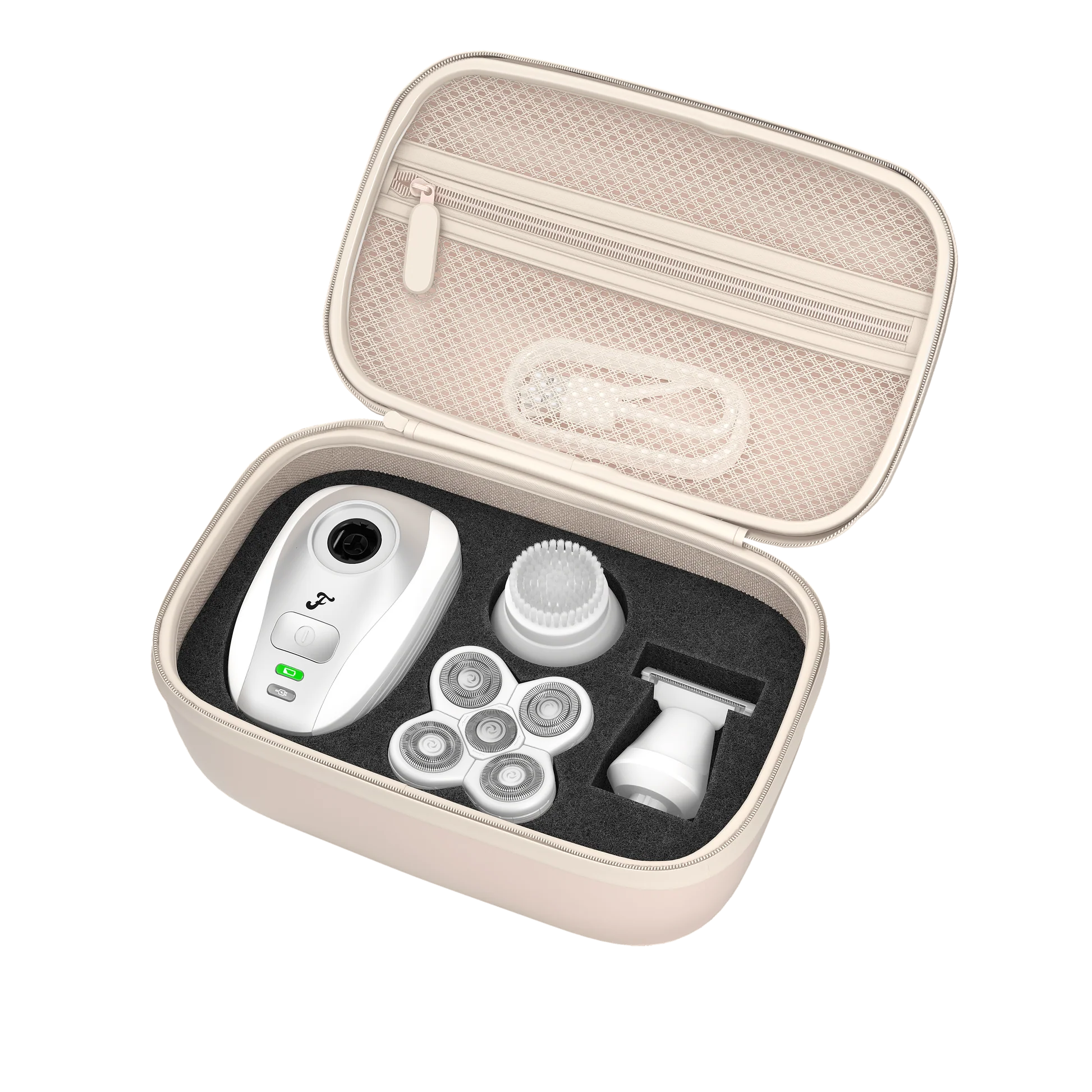
The FlexSeries gives you a smooth shave without irritating your scalp. Less irritation means less oil response from your skin.
Check out our guide on how to make a bald head less shiny for more tips.
Clean Your Hair Tools
Dirty combs, brushes, and razors collect old oil, dead skin, and bacteria. When you use them again, you're putting all that gunk back on your clean scalp. Wash your tools weekly with soap and hot water.
Manage Stress
Easier said than done, I know. But stress directly impacts your hormones, which impacts oil production.
Exercise helps. Even just walking 20 minutes a day makes a difference. Sleep matters too. When you're sleep-deprived, cortisol spikes.
Check Your Hats
Synthetic materials trap heat and sweat against your scalp. This triggers more oil.
Wear breathable fabrics like cotton or linen. Wash your hats regularly. That crusty band inside? That's old sebum and dead skin. Don't keep putting that back on your clean head.
For greasy pillows, there are pillow protectors available to help combat the grease.
Natural Remedies that Work

Apple Cider Vinegar
Apple cider vinegar may help reduce oil production and stop flare-ups of skin conditions. Mix one part ACV with two parts water, apply to your scalp after washing, leave for a few minutes, then rinse. Don't overdo it. Once or twice a week is enough.
Fish Oil Supplements
Fish oil supplements could help manage flare-ups of dandruff that contribute to an oily scalp. Some people swear by it. The omega-3s support healthy skin function. Eating salmon also works, it has high omega 3 content.
Probiotics
Probiotics are believed to reduce inflammation throughout the body, which may help control dandruff flare-ups. Whether through supplements or fermented foods, probiotics might give you an edge.
The Difference Between an Oily Scalp vs Seborrheic Dermatitis

People often confuse these two. Here's how to tell them apart:
|
Oily Scalp |
Seborrheic Dermatitis |
|
Greasy, shiny appearance |
Red, inflamed patches |
|
No flaking (or little flaking) |
Yellowish, greasy flakes |
|
No itching (or mild itching) |
Intense itching |
|
Due to excess sebum production |
Caused by yeast (Malassezia) |
|
Manageable with proper cleansing |
May require medical treatment |
If you've got red, inflamed patches with thick, yellowish flakes and serious itching, that's probably seborrheic dermatitis, not just an oily scalp. See a dermatologist.
When to See a Doctor
Most of the time, you can handle oily scalp issues yourself. But if home care remedies aren't improving your condition after 4-6 weeks, consulting a dermatologist is necessary.
Go see a dermatologist if:
-
Your scalp is red, inflamed, or painful
-
You have thick, crusty patches
-
The itching is intense and doesn't respond to treatment
-
You're losing more hair than usual
-
Over-the-counter treatments aren't working after 4-6 weeks
In extreme cases, your scalp might be producing so much oil that it's causing inflammation and affecting hair follicle health. This is called hyper seborrhea and needs medical treatment.
The Bottom Line
An oily scalp on a bald head can be annoying, but it's not a permanent condition.
The key? Balance. You're trying to find that sweet spot where your scalp produces just enough oil to stay healthy, but not so much that you're a walking mirror.
Wash daily (but not more). Use a proper cleanser designed for the scalp, not the hair. Exfoliate weekly. Moisturize with something lightweight. Protect from the sun. Watch your diet.
Give it time. Your scalp won't balance overnight. It took me about three weeks of consistent care before I noticed a real difference.
Now my head looks clean and matte instead of like I just finished a cooking show.
You can get there too.
FAQs
Is an Oily Scalp a Sign of Hair Loss?
An oily scalp doesn't always mean you're losing hair, but the two are often linked. Many people with oily scalps have perfectly healthy hair. But, if you're losing hair and have excessive oiliness, the two might be related through DHT. This hormone both causes male pattern baldness and increases sebum production.
Why is My Bald Head So Oily?
DHT (the hormone that causes your baldness) also makes your sebaceous glands produce more oil. Without hair to absorb it, that sebum sits on your scalp surface, creating visible shine and greasiness.
Can You Stop an Oily Scalp or Just Manage It?
You can't completely stop sebum production (and you wouldn't want to). Your skin needs some oil for protection and health. You can manage it by regulating how much your glands produce through proper cleansing, hydration, and lifestyle changes.
Does Washing My Head Every Day Make it More Oily?
Yes, if you're using harsh cleansers or washing multiple times per day. Over-washing strips your natural oils, causing your skin to produce even more sebum to compensate. Once daily with a gentle cleanser is usually the sweet spot.
Is Seborrheic Dermatitis the Same as Oily Scalp?
No, an oily scalp is just excess grease, while seborrheic dermatitis is an actual inflammatory condition. It's triggered by a yeast-like fungus (Malassezia) that feeds on sebum. Seborrheic dermatitis requires medical treatment with medicated shampoos or creams, while an oily scalp can usually be managed with proper care.
Why is My Scalp Oily But My Hair Dry?
This is the oily scalp/dry hair paradox. Your scalp overproduces oil on the surface, but your hair shafts (especially the ends) are dehydrated. The sebum stays concentrated near your roots and doesn't travel down the hair shaft effectively. You need to hydrate your scalp to stop the overproduction while conditioning your hair ends separately.